Health care workers face higher than average risk of infection with the hepatitis C virus, a research review suggests.
Compared to the general population, health workers had 60 per cent greater odds of getting hepatitis C, and those who worked directly with blood had almost triple the risk, according to the analysis in, “Occupational and Environmental Medicine.”
Hepatitis C is usually spread when blood from an infected person enters the body of someone who isn’t infected.

These days, most people infected with the virus get it from sharing needles or equipment to inject drugs, but it can also be transmitted during sex, and until a test for was developed in the early 1990s, people could acquire hepatitis C through blood transfusions.
“Contact with blood, for example, from needle stick injuries, is associated with a risk of infection and continues to be the major threat to the health of health care workers,” said lead study author Claudia Westermann of the University Medical Center Hamburg-Eppendorf.
“Exposure to blood cannot completely be avoided when using safp instruments, as they reduce the risk of needle stick injuries but do not completely prevent them,” Westermann added. “Therefore blood borne virus infections will remain a threat to health care workers for some time to come.”
To assess the prevalence of hepatitis C among health care workers, Westermann and colleagues analyzed data from 44 previously published studies.
In the U.S. and Europe, where hepatitis C prevalence is relatively low, health care workers are more than twice as likely as other individuals to get the virus, the data showed.
The risk for health workers doubled in North Africa, the Middle East and South Asia, although infection rates in Japan were similar to the rest of the population.
By: Winifred Ogbebo and Victor Okeke
Leadership News
ABUJA: Training Schedule for Basic Life Support BLS, Pediatric Advanced Life Support (PALS), Advanced Cardiovascular Life Support ACLS, First Aid, CPR, AED
PORTHARCOURT: Training Schedule for Basic Life Support BLS, Pediatric Advanced Life Support (PALS), Advanced Cardiovascular Life Support ACLS, First Aid, CPR, AED
LAGOS: Training Schedule for Basic Life Support BLS, Pediatric Advanced Life Support (PALS), Advanced Cardiovascular Life Support ACLS, First Aid, CPR, AED
STOP paying for airtime and electricity, Let your phone pay its bills with ScreenT
You may also like
Comrade Lemii Christian Emerges Chairman of NANNM Rivers State Branch in Historic Victory
PORT HARCOURT, NIGERIA Following the long awaited National Association of N…

FG Supports Robotic Surgery Expansion to Reduce Medical Tourism
Nigeria is taking another step toward strengthening specialised healthcare …
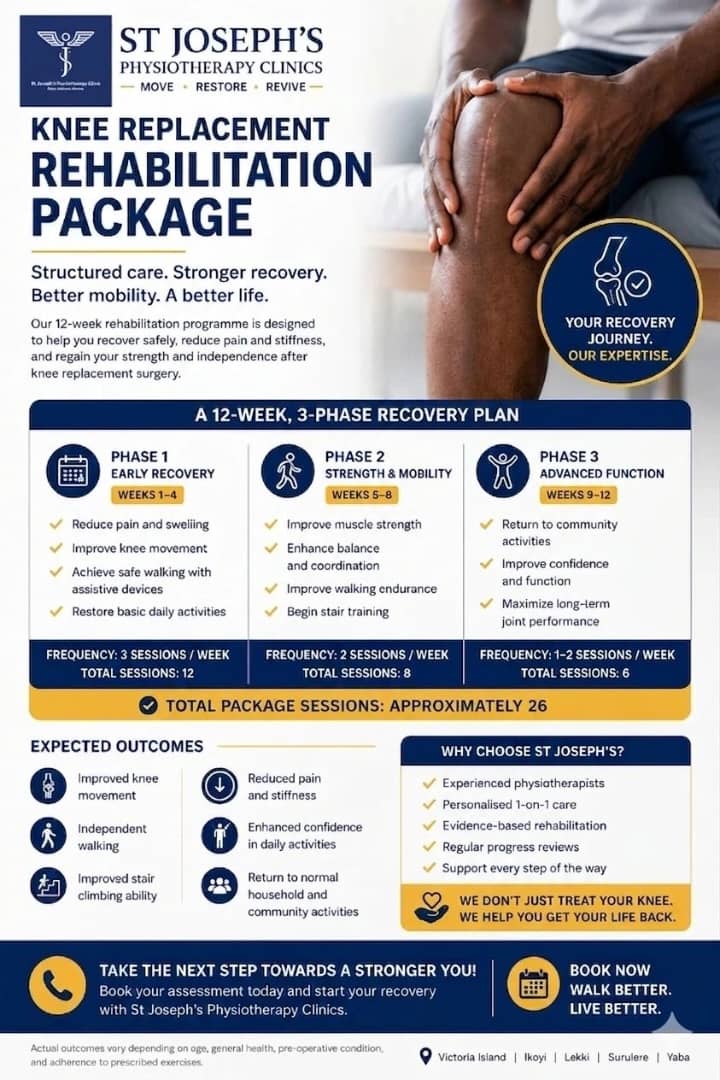
Complete Knee Replacement Rehabilitation Package in Lagos
Knee replacement surgery is a major step toward pain relief and improved mo…

NAMDA threatens strike over unpaid medical lecturers’ allowances
The Nigerian Association of Medical and Dental Academics (NAMDA) has warned…

Resident Doctors Signal End to Strike Threat After High-Level Talks with Gbajabiamila
The threat of a nationwide indefinite strike by the Nigerian Association of…