This year, the World Federation for Mental Health has chosen “Dignity in Mental Health” as the theme for the World Mental Health Day that comes every October 10.
Dignity is a word that has a number of meanings and we recognise one when we see it.
More importantly, we recognise the lack of it when it is absent. The notion of dignity can simply be defined as the inherent and inalienable worth of all human beings irrespective of status such as race, gender, physical or mental state.
Yet across the world, many people with mental and psychosocial disabilities are deprived of their rights to dignity. They not only face discrimination but also emotional, physical and sexual abuse in hospitals as well as in their communities. Poor quality of care due to a lack of qualified mental health professionals and dilapidated mental health facilities can only lead to further violations.
 Dignity for persons with mental disorders is exercising citizenship, with a sense of empowerment and control over their lives, rights to decide where to live, when to meet, where to love, and where to work as they take some responsibilities.
 However, all over the world, people with mental disorders and/or psychosocial disabilities are denied their civil, cultural, economic, political and social rights, especially in low and middle-income countries.
Often, people with mental disorders and their families are humiliated by their health care providers. Any good doctor will tell you that the belief that a medication will work for you is just as important as the medication itself.
This concept has a corollary. How a person is treated when getting treatment is just as important as or more important as the treatment itself. If the person we seek help from does not have the time to remember who we are, the time to really ask about us and what our concerns are, then the treatment becomes an upward battle, especially when the person providing the treatment is burned out and pushed past the point of caring.
This paints the picture in many of our middle and low-income centres where there is an urgent need for more mental health professionals to cater for the escalating mental health problems in the society.
To make dignity in mental health a reality, every member of the society needs to work with each other to make mental health visible and not something to be ashamed of. People need to know how to recognise mental health problems in a person and how to give them help.
In Australia, for instance, the mental health first aid programme was developed to teach members of the public how to recognise and assist other people who are in mental health crisis.
A similar programme in Nigeria can banish the discrimination and mindless persecution of the mentally ill. This will provide a platform for citizens to create a more supportive and caring community for those with mental health problems by intervening early so that they can get appropriate support and recover quickly.
The school is another important setting for promoting mental health of young people. Research implies that mental health promotion in schools, when implemented effectively, can produce long-term benefits for young people, including emotional and social functioning and improved academic performance.
Several initiatives are ongoing, especially in developed societies to combat discrimination associated with mental illness, such as rebranding of disease states through celebrity engagement, positive imagery and sound health education.
These universal branding guidelines are being applied to mental illness to discourage discrimination in addition to several peer support groups have been known to help the recovery process.
Patients share experiences through reading materials and by narrating stories of how others have succeeded in surmounting the challenges in their illness. The family is also an important resource in safeguarding the dignity of the mentally ill by giving adequate care, appropriate referral and support.
Strong mental health advocacy is necessary to alert policy makers and the government on the need to give adequate care for the ill. Mental health legislation can also address inhuman and degrading forms of treatment meted out to the affected persons in our society. With this legislation in place, the society would have preserved the dignity of the mentally ill.
By: Adeoye Oyewole
Punch News
ABUJA: Training Schedule for Basic Life Support BLS, Pediatric Advanced Life Support (PALS), Advanced Cardiovascular Life Support ACLS, First Aid, CPR, AED
PORTHARCOURT: Training Schedule for Basic Life Support BLS, Pediatric Advanced Life Support (PALS), Advanced Cardiovascular Life Support ACLS, First Aid, CPR, AED
LAGOS: Training Schedule for Basic Life Support BLS, Pediatric Advanced Life Support (PALS), Advanced Cardiovascular Life Support ACLS, First Aid, CPR, AED
STOP paying for airtime and electricity, Let your phone pay its bills with ScreenT
You may also like

Comrade Lemii Christian Emerges Chairman of NANNM Rivers State Branch in Historic Victory
PORT HARCOURT, NIGERIA Following the long awaited National Association of N…

FG Supports Robotic Surgery Expansion to Reduce Medical Tourism
Nigeria is taking another step toward strengthening specialised healthcare …
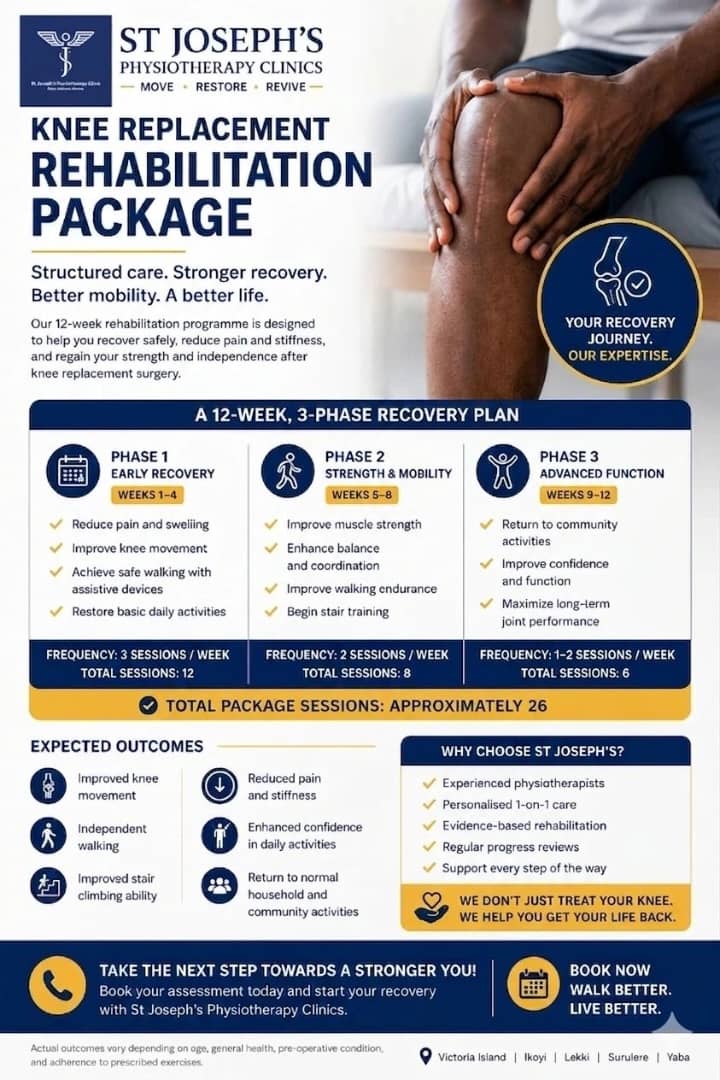
Complete Knee Replacement Rehabilitation Package in Lagos
Knee replacement surgery is a major step toward pain relief and improved mo…

NAMDA threatens strike over unpaid medical lecturers’ allowances
The Nigerian Association of Medical and Dental Academics (NAMDA) has warned…

Resident Doctors Signal End to Strike Threat After High-Level Talks with Gbajabiamila
The threat of a nationwide indefinite strike by the Nigerian Association of…