Pharmacists have called on the Federal Government to release the N200bn Pharmaceutical Intervention Fund promised to drug manufacturers.
The call, they said, was to avert looming drug shortage in the country.
The Chairman of the Lagos branch of the Association of Community Pharmacists, Biola Paul-Ozieh, said the Federal Government needed to activate the fund or more pharmaceutical companies in the country might shut down.
Paul-Ozieh lamented that shortage of dollar and other foreign currencies had prevented manufacturers from importing raw materials while the high cost of importing medicines was discouraging to importers.
 “The situation has also caused the increase in the products that have been imported. It is currently affecting the affordability of medicines among the ordinary Nigerians. For us to be able to have universal health coverage, we must have affordable medicine,” Paul-Ozieh said.
 Speaking on strategies that can be adopted to address drug shortage, the Chief Executive Officer of PharmaAfrica, Mr. Miles Mudzviti, said that public and private partnerships would address many of the challenges currently facing the pharmaceutical industry of Nigeria.
Mudzviti, who spoke ahead of the fourth edition of the Africa Pharmaceutical Summit and Exhibition in Lagos, said the Nigerian economy was still viable enough to cater for the medicine needs of the West African region.
According to him, 78 per cent of drugs manufactured in the region are from Nigeria.
“Nigeria is very key to the development of the sector in Africa, with greater concentration of indigenous companies here. This is the biggest economy on the continent as well.
“For us, we feel that it is an opportunity to bring the platform here and try to get some momentum on issues of common interest like distribution, upgrading capabilities, future landscape of health insurance, good distribution systems and practices,” he said.
He noted that with the current challenges, stakeholders must work to attract local investments to keep the health sector viable.
Mudzviti added, “A lot more that can be done in terms of looking at how government, which is the main customer of manufacturers, buy these products. The public sector has really done well but there is more to be done.
“There are also interests from the private sector, with a lot still looking at Nigeria. The fundamentals for such investments are strong though the environment is quite challenging.”
He added that the African Pharmaceutical Summit had been at the forefront of achieving the common frontier to develop the sector in Africa, organising APS summit across the regions.
By: Bukola Adebayo
The Punch News
ABUJA: Training Schedule for Basic Life Support BLS, Pediatric Advanced Life Support (PALS), Advanced Cardiovascular Life Support ACLS, First Aid, CPR, AED
PORTHARCOURT: Training Schedule for Basic Life Support BLS, Pediatric Advanced Life Support (PALS), Advanced Cardiovascular Life Support ACLS, First Aid, CPR, AED
LAGOS: Training Schedule for Basic Life Support BLS, Pediatric Advanced Life Support (PALS), Advanced Cardiovascular Life Support ACLS, First Aid, CPR, AED
STOP paying for airtime and electricity, Let your phone pay its bills with ScreenT
You may also like
Comrade Lemii Christian Emerges Chairman of NANNM Rivers State Branch in Historic Victory
PORT HARCOURT, NIGERIA Following the long awaited National Association of N…

FG Supports Robotic Surgery Expansion to Reduce Medical Tourism
Nigeria is taking another step toward strengthening specialised healthcare …
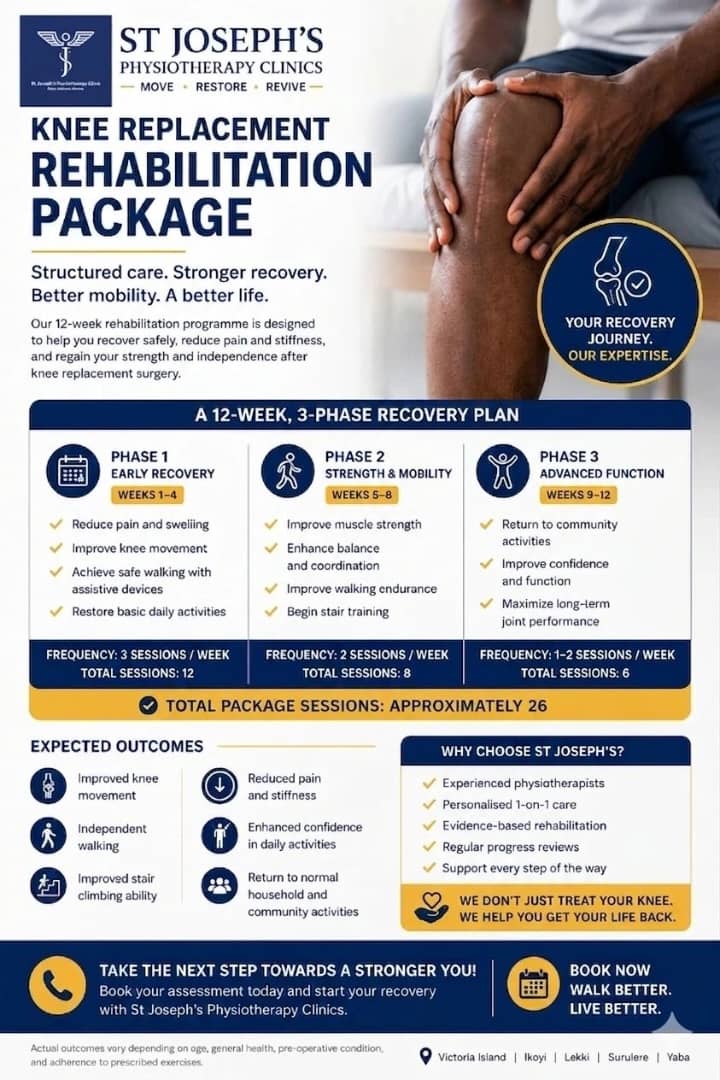
Complete Knee Replacement Rehabilitation Package in Lagos
Knee replacement surgery is a major step toward pain relief and improved mo…

NAMDA threatens strike over unpaid medical lecturers’ allowances
The Nigerian Association of Medical and Dental Academics (NAMDA) has warned…

Resident Doctors Signal End to Strike Threat After High-Level Talks with Gbajabiamila
The threat of a nationwide indefinite strike by the Nigerian Association of…