. Hemorrhoids
What are hemorrhoids?
Hemorrhoids are blood vessels (veins) in the anal canal. When those blood vessels become swollen or dilated, symptoms may develop. Many people have hemorrhoids, but have no symptoms.
What is the rectum?
The rectum is the last few inches of the large intestine. The rectum is connected to the anal canal, which leads the fecal matter out of the body. The opening is called the anus. Problems in this part of the body are common, but people are often embarrassed to seek help. Common symptoms may include bleeding, pain and itching. When symptoms are persistent, it is important to have an evaluation by a physician.
How common are hemorrhoids?
Hemorrhoids are very common and by age 50, nearly half of Americans have hemorrhoids. Nearly 5% of the US population (15,000,000 people) has sought medical care for symptomatic hemorrhoids. Many more have problems with hemorrhoids, but never seek formal medical attention.

What are the different types of hemorrhoids?
. External hemorrhoids are dilated veins covered by the skin near the anal opening. They may be felt as bumps or lumps near the outside of the anus, and become painful when they are swollen with blood.
. Internal hemorrhoids are dilated veins that form inside the rectum and above the anal opening, and are therefore “internal”. However, in some situations they may enlarge and protrude (prolapse) out of the anus.
What are the symptoms of hemorrhoids?
External hemorrhoids may be present and cause no symptoms. When they cause symptoms, the most common are pain, itching, pressure and bleeding; they can often be felt as a bulge in the skin near the anal opening.
Internal hemorrhoids may be present and cause no symptoms. When they cause symptoms, the most common are painless rectal bleeding, which usually is seen as bright red blood on the toilet paper or in the toilet bowl. It is important to know that just a few drops of blood in toilet water can change the color of the water dramatically.
How do hemorrhoids occur?
Hemorrhoids may develop as a result of repeated straining to have a bowel movement, sometimes as a result of longstanding constipation. They are also seen commonly in any condition that leads to increased pressure inside the abdomen. Examples would include pregnancy and lifting heavy weights.
How are hemorrhoids diagnosed?
Hemorrhoids are suspected when they produce the characteristic symptoms listed above. External hemorrhoids may occasionally be seen on visual examination of the anus. A full exam usually includes a digital rectal exam, where the doctor will insert a gloved finger into the rectum. Internal hemorrhoids may be identified on external exam if they protrude with straining or may be detected during a check with a flexible or rigid tube with a light and a camera that is inserted in order for the doctor to see the inside of the anal canal and lower rectum. The rigid tube is called an anoscope and the flexible tube is a sigmoidoscope.

How are hemorrhoids treated?
Most hemorrhoids resolve spontaneously, or with simple measures. These measures include avoidance of straining, and treatment of hard stools or constipation with increased fluids, addition of increased fiber in the diet and stool softeners or lubricants. There are over the counter or prescription creams and suppositories that may be helpful to improve symptoms of itching. Some people find cleaning the anal region with a moist towel after a bowel movement to be soothing.
In some circumstances, hemorrhoids that do not resolve or bleed repeatedly need other type of treatment. These include:
Rubber bands: Bands are placed around the hemorrhoid and they clot and eventually form a scar.
Injection sclerotherapy: A chemical is injected directly into the hemorrhoid to make it clot
Infrared coagulation: Heat is used to destroy a hemorrhoid
Surgery: Removal of the dilated, stretched veins.
Source:
American College of Gastroenterology
Patients.gi.org/
ABUJA: Training Schedule for Basic Life Support BLS, Pediatric Advanced Life Support (PALS), Advanced Cardiovascular Life Support ACLS, First Aid, CPR, AED
PORTHARCOURT: Training Schedule for Basic Life Support BLS, Pediatric Advanced Life Support (PALS), Advanced Cardiovascular Life Support ACLS, First Aid, CPR, AED
LAGOS: Training Schedule for Basic Life Support BLS, Pediatric Advanced Life Support (PALS), Advanced Cardiovascular Life Support ACLS, First Aid, CPR, AED
STOP paying for airtime and electricity, Let your phone pay its bills with ScreenT
You may also like

Comrade Lemii Christian Emerges Chairman of NANNM Rivers State Branch in Historic Victory
PORT HARCOURT, NIGERIA Following the long awaited National Association of N…

FG Supports Robotic Surgery Expansion to Reduce Medical Tourism
Nigeria is taking another step toward strengthening specialised healthcare …
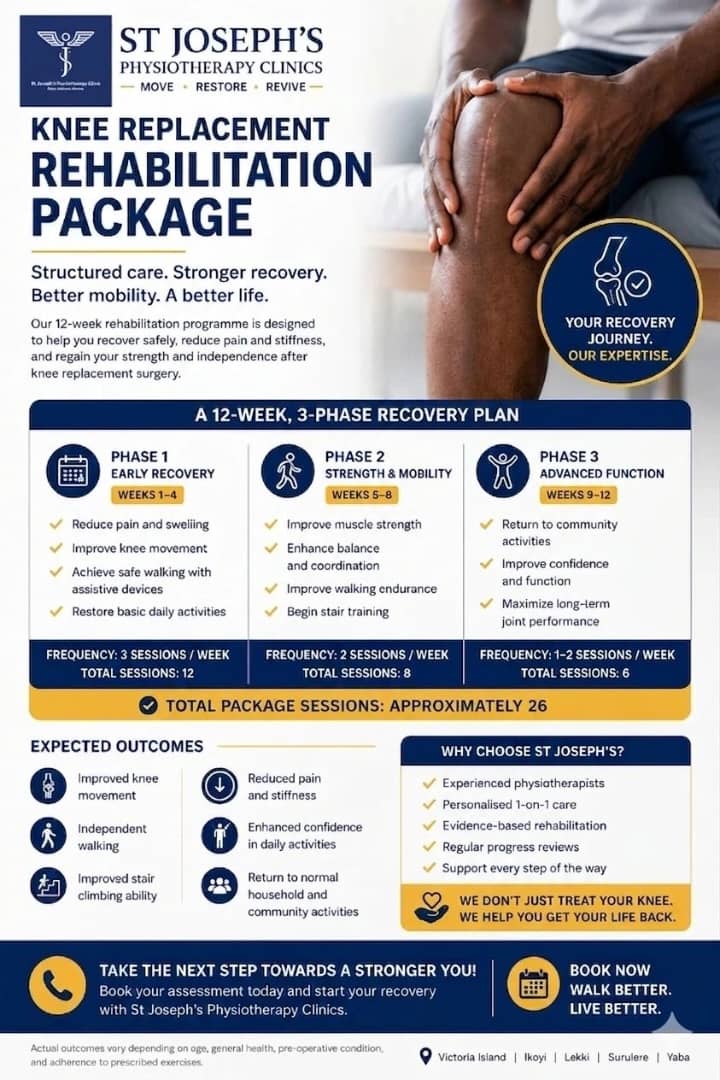
Complete Knee Replacement Rehabilitation Package in Lagos
Knee replacement surgery is a major step toward pain relief and improved mo…

NAMDA threatens strike over unpaid medical lecturers’ allowances
The Nigerian Association of Medical and Dental Academics (NAMDA) has warned…

Resident Doctors Signal End to Strike Threat After High-Level Talks with Gbajabiamila
The threat of a nationwide indefinite strike by the Nigerian Association of…