If you have been diagnosed with hypertension, a few smart-eating strategies can help you prevent further blood pressure spikes and possibly even reduce your blood pressure. Making a few easy swaps, such as looking for reduced-sodium or trans-fat free options and increasing your intake of calcium, magnesium, and potassium will cut your risk of stroke and heart attack nearly in half. It’s important to remember that eating with hypertension isn’t about deprivation. Instead, it’s about eating smart and healthy for your body. Here are some foods to try.
Beans: Beans have a direct impact on your blood pressure, creating favorable conditions for healthy levels. They do this by helping your body in at least three different aspects, due to the Vitamin C content they contain, their fiber content, and also potassium, which has perhaps the most direct effect. You simply can’t go wrong by eating beans.
Garlic: This pungent seasoning can do more than just flavor your food and ruin your breath. Garlic has the ability to lower your blood pressure by causing your blood vessels to relax and dilate. This lets blood flow more freely and reduces blood pressure.
Leafy greens: Foods high in potassium give you a better ratio of potassium to sodium. Improvements in this ratio can help with lowering blood pressure. Leafy greens like lettuce, fluted pumpkin, spinach are high in potassium. Try to opt for fresh greens.
Berries: Berries, especially blueberries, are rich in natural compounds called flavonoids. Though they are not home grown, they are sold in Nigeria. One study published in The American Journal of Clinical Nutrition found that consuming these compounds may prevent hypertension, and possibly help to reduce high blood pressure as well.
Potatoes: Potatoes are high in both potassium and magnesium, two minerals that can help to lower your blood pressure. They are also high in fiber, which is necessary for an overall healthy diet.
Skimmed milk: Skimmed milk is an excellent source of calcium and is low in fat, another important element of a diet for lowering blood pressure. Swap out your higher-fat milk for skim milk, or if you don’t care for milk, eat more low-fat or non-fat yogurt. Just avoid those that are high in sugar.
Oatmeal: You may be tired of hearing how good oatmeal is for you, especially if you don’t like the taste. But if you’re concerned about your blood pressure levels, and loathe taking so much medication for the condition, you might be able to reduce your prescription by increasing your oatmeal intake. And it doesn’t require that you eat bowl after bowl of it, just a morning bowl will make a big difference. Try to avoid the flavored types as these add unnecessary sugar, which will only raise your blood glucose levels and negate some of the effect.
Bananas: Bananas are a great way to add potassium to your diet. Adding foods that are rich in this mineral to your diet is better than taking supplements, and it’s easy. Slice a banana into your breakfast cereal or oatmeal, or take one to work every day for a quick, easy, and inexpensive snack.
Dark chocolate: It’s important to stress that this is dark chocolate, and you won’t get the same benefits from eating milk chocolate, especially not the kind found in many shops or supermarket. The antioxidants in dark chocolate will help fight off free radicals. The trick is limiting yourself to a small daily portion, and not over-consuming it. Eating more of it does not increase the benefits so keep portions in check and go for the long-term approach and daily intake.

Onions: Onions contain quercetin, an antioxidant flavonol found to prevent heart disease and stroke. In a research study published in the Journal of Nutrition, subjects with hypertension experienced a decrease in their blood pressure by 7mmHg systolic and 5 mmHg diastolic as opposed to those who were taking placebo, a medicine used to calm patients.
Coconut water: Coconut water is found inside the shell of green, unripe coconuts that retains its natural benefits in organic and raw form. It contains potassium and magnesium, both of which relate to regular muscle function, and of course, the heart is a big giant muscle. While there have been some limited studies on the effect of coconut water on hypertension, many people report anecdotally that it has helped lower blood pressure. In studies, it seemed to particularly affect systolic blood pressure, or the force that takes place when the heart pumps blood away from it. If you don’t have a problem with coconut water, it may prove to be a solid remedy for you.
Foods to avoid
Salt: Salt and sodium are the worst villains when it comes to living with high blood pressure and heart disease. The dietary guidelines for most countries suggests that people with hypertension limit their daily sodium intake to just 1,500 milligrams. Currently, the average Nigerian eats more than twice that amount, or about 3,400 milligrams a day. Even before some people taste their food they order for salt.
Canned tomato products: As a rule, tomato products are problematic for people with hypertension. Canned tomato sauces, pasta sauces, and tomato juices are all high in sodium culprits. A cup of tomato juice comes in at 650 milligrams of sodium. Try and avoid them.
Sugar: You likely already know that excessive sugar intake has been linked to increased cases of weight gain and obesity. But did you know that high sugar intake is also linked to high blood pressure? Sugar, especially sugar-sweetened drinks, has contributed to an increase in obesity in people of all ages. High blood pressure is more common in individuals who are overweight or obese.
Chicken skin and packaged foods: People with hypertension should avoid saturated and trans fats. Chicken skin is high in saturated fat. Full-fat dairy, red meat, and butter are, too. Trans fats are created in a process called hydrogenation. Liquid oils are infused with air to make a solid oil. Trans fats are found naturally in small amounts in fatty meats and dairy products.
Instant noodles: Instant noodles may be a quick fix when you are hungry but it adds about 14 grams of fat to your day and 1580 MG of sodium. This is not advisable for hypertensive people.
Coffee: If you have hypertension, now may be the time to stop your coffee habit. Your morning cup (or cups) of coffee can actually cause a temporary spike in blood pressure. If you’re a regular coffee drinker, this may be contributing to your hypertension. In fact, any caffeinated drinks may cause an increase in your blood pressure—this includes soda drinks or caffeinated tea.
Alcohol: Whenit comes to high blood pressure, alcohol is a double-edged sword. Small to moderate amounts of alcohol may actually lower your blood pressure, but drinking too much alcohol can increase your blood pressure, even for people who only drink occasionally. According to the Mayo Clinic, having more than three drinks in one sitting can cause a temporary spike in blood pressure. Repeated drinking can lead to long-term blood pressure problems. Alcohol can prevent any blood pressure medications you may be taking from working effectively. In addition, alcohol is full of calories and can lead to weight gain. People who are overweight or obese are more likely to have high blood pressure. Alcohol just needs to be done carefully.
By: Judith Frank-Edet
Daily Time
ABUJA: Training Schedule for Basic Life Support BLS, Pediatric Advanced Life Support (PALS), Advanced Cardiovascular Life Support ACLS, First Aid, CPR, AED
PORTHARCOURT: Training Schedule for Basic Life Support BLS, Pediatric Advanced Life Support (PALS), Advanced Cardiovascular Life Support ACLS, First Aid, CPR, AED
LAGOS: Training Schedule for Basic Life Support BLS, Pediatric Advanced Life Support (PALS), Advanced Cardiovascular Life Support ACLS, First Aid, CPR, AED
STOP paying for airtime and electricity, Let your phone pay its bills with ScreenT
You may also like
Comrade Lemii Christian Emerges Chairman of NANNM Rivers State Branch in Historic Victory
PORT HARCOURT, NIGERIA Following the long awaited National Association of N…

FG Supports Robotic Surgery Expansion to Reduce Medical Tourism
Nigeria is taking another step toward strengthening specialised healthcare …
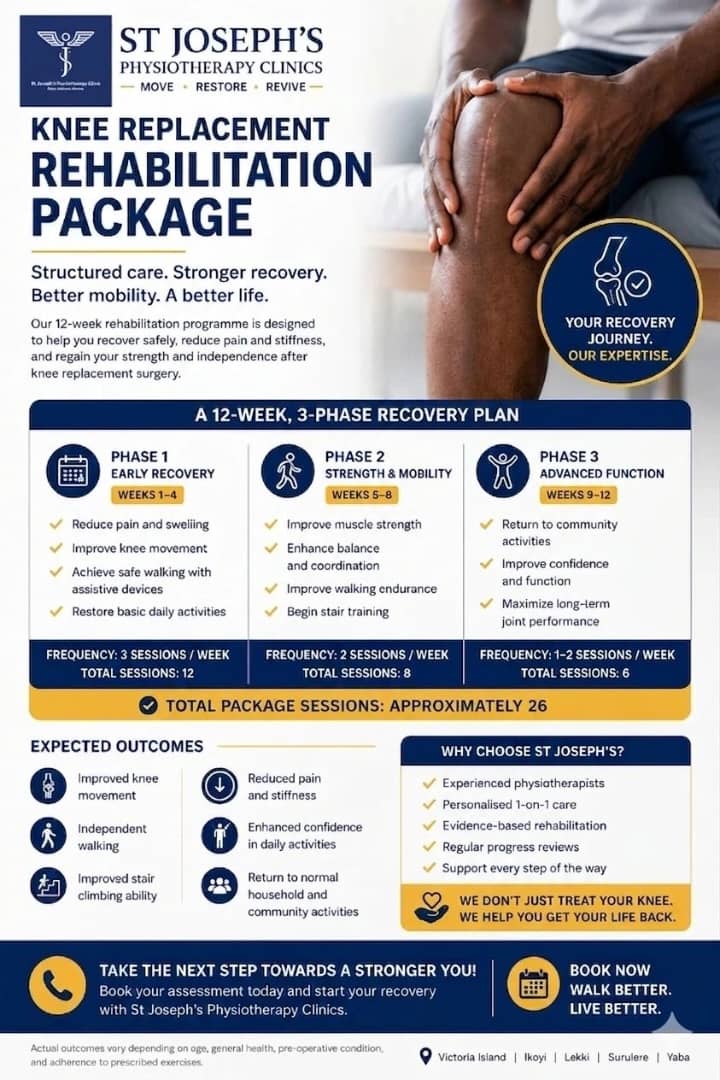
Complete Knee Replacement Rehabilitation Package in Lagos
Knee replacement surgery is a major step toward pain relief and improved mo…
NAMDA threatens strike over unpaid medical lecturers’ allowances
The Nigerian Association of Medical and Dental Academics (NAMDA) has warned…
Resident Doctors Signal End to Strike Threat After High-Level Talks with Gbajabiamila
The threat of a nationwide indefinite strike by the Nigerian Association of…