Now, there’s no longer any need for partners of people with HIV (serodiscordant couples), to divorce due to fear of the disease being passed to them from their infected partners. This is because scientists have discovered how to stop HIV transmission through sexual intercourse, meaning that a HIV-positive partner can no longer infect the negative partner even when they have sexual intercourse!
According to the experts, all it takes now is treatment with a combination of antiretroviral medicines, referred to as Antiretroviral Therapy or ART, to maximally suppress the HIV virus and stop the progression of HIV disease. The experts say the treatment, which is also known as pre-exposure prophylaxis, or PrEP, works well and carries minimal side effects. Thus, a healthy person who engages in sex with an HIV-positive partner only have to take the anti-retroviral drugs daily as a preventive measure to ward off HIV.
According to the report, released last week during the 8th International AIDS Society (IAS) Conference on HIV Pathogenesis, Treatment and Prevention in Vancouver, Canada, the drugs were able to reduce the transmission of the virus by 93 per cent in couples assigned to ART treatment.
 Since 2013, WHO also recommends the use of antiretroviral drugs for the prevention of HIV infection, particularly for pregnant women, young children, and key populations exposed to HIV risk.
 Their conclusion was based on the study known as HPTN 052, which began in 2005 and had about 1,768 couples (where one partner was infected with HIV while the other was not), recruited. The majority of the couples (97 per cent) were heterosexual.
By the end of the study, the final results show a 93 per cent reduction of the virus being transmitted.
The researchers also revealed interesting findings about the relationship between viral load, viral suppression, treatment failure and drug resistance. It took longer to suppress the virus in people who began with a relatively high viral load (a high level of HIV in the blood) at the start of treatment, they found. This, in turn, was associated with both treatment failure and the treatment failed more quickly.
They also found that those who had a higher viral load when they joined the study, and for whom treatment failed, were more likely to develop resistance to their antiretroviral drugs.
More research is needed to understand this association, the researchers said.
Dr Myron Cohen, director of the Institute for Global Health and Infectious Diseases, said: ‘These findings demonstrate that antiretroviral therapy, when taken until viral suppression is achieved and sustained, is a highly effective, durable intervention for HIV prevention.
‘These results have important implications for programs seeking to combine other HIV prevention measures with treatment as prevention,’ Dr. Cohen said.
He added that programmes to prevent and treat HIV should make special efforts to minimize the transmission of HIV before the virus has been suppressed. They should also aim to maintain suppression of the virus through ART treatment, and to identify and address failures of the treatment if it occurs.
“In the setting of such programmes, special efforts should be made to minimize HIV transmission risk before viral suppression has been achieved, to maintain suppression on ART, and to identify and address ART failure.”
Dr Cohen, also explained that the trial was designed to address two questions: whether providing antiretroviral therapy to an HIV-infected person would prevent HIV transmission to a sexual partner, and whether earlier antiretroviral therapy offered long-lasting health benefits, saying that the answer to both was a resounding “Yes.”
“Pre-exposure prophylaxis (PrEP) is a game changer in preventing the spread of HIV”, said Dr Chris Beyrer, co-chair of the International AIDS Society (IAS) science conference in Vancouver.
At the conference, scientists also released results on PrEP in several small studies of people at a high risk of contracting HIV, mostly due to sexual behaviour, in Brazil, the United States, and Botswana. The research showed that when PrEP is used correctly, it reduces HIV infection and is well-tolerated.
But several scientists said use of PrEP is far from becoming standard policy, and so remains an individual decision for people considered at high risk. The therapy is also relatively new. The US Food and Drug Administration only approved use of the drug tenofovir (Truvada) for adults at highrisk, in combination with safe sex practices, in 2012.
Dr Michael Brady, medical director of the Terrence Higgins Trust, said given the positive results of the study, introducing PrEP treatment makes financial sense and could eradicate HIV
By: Franka Osakwe
The National Mirror News
ABUJA: Training Schedule for Basic Life Support BLS, Pediatric Advanced Life Support (PALS), Advanced Cardiovascular Life Support ACLS, First Aid, CPR, AED
PORTHARCOURT: Training Schedule for Basic Life Support BLS, Pediatric Advanced Life Support (PALS), Advanced Cardiovascular Life Support ACLS, First Aid, CPR, AED
LAGOS: Training Schedule for Basic Life Support BLS, Pediatric Advanced Life Support (PALS), Advanced Cardiovascular Life Support ACLS, First Aid, CPR, AED
STOP paying for airtime and electricity, Let your phone pay its bills with ScreenT
You may also like
Comrade Lemii Christian Emerges Chairman of NANNM Rivers State Branch in Historic Victory
PORT HARCOURT, NIGERIA Following the long awaited National Association of N…

FG Supports Robotic Surgery Expansion to Reduce Medical Tourism
Nigeria is taking another step toward strengthening specialised healthcare …
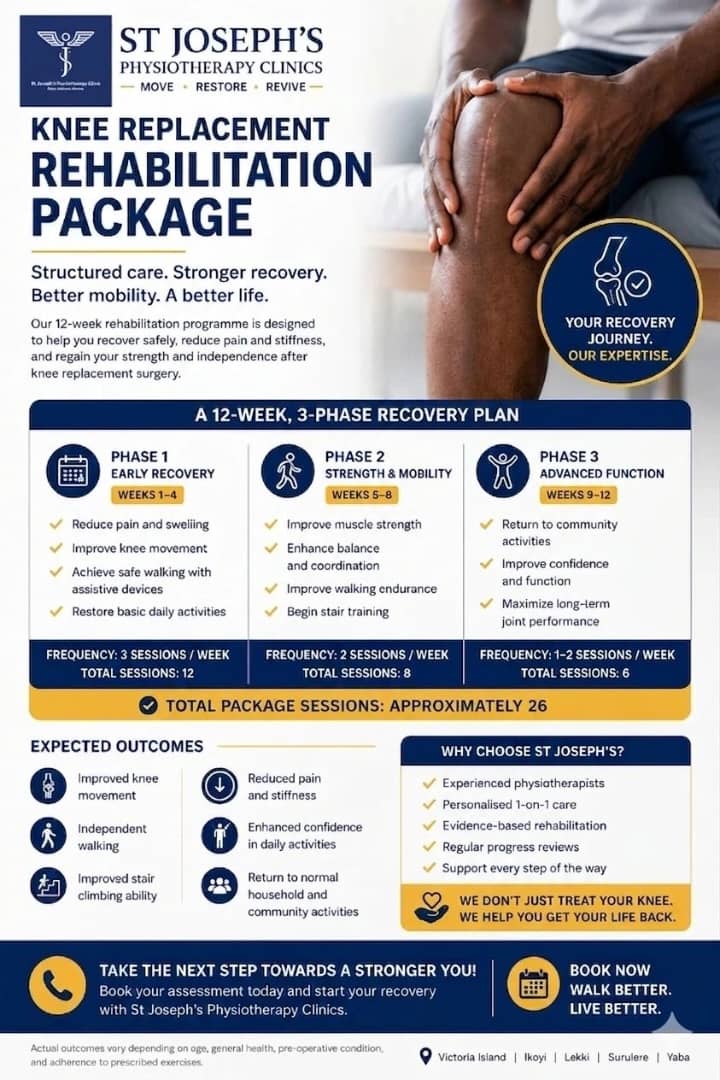
Complete Knee Replacement Rehabilitation Package in Lagos
Knee replacement surgery is a major step toward pain relief and improved mo…

NAMDA threatens strike over unpaid medical lecturers’ allowances
The Nigerian Association of Medical and Dental Academics (NAMDA) has warned…

Resident Doctors Signal End to Strike Threat After High-Level Talks with Gbajabiamila
The threat of a nationwide indefinite strike by the Nigerian Association of…