. From drying washing to using a gas cooker, 15 million homes are affected by Toxic Home Syndrome - which increases the risk of heart disease and cancer
. Toxic Home Syndrome is where a person's health deteriorates because of the air in their home - increasing the risk of cancer and heart disease
. Air inside contains more than 900 potentially harmful chemicals
. Mould spores, pollen, radon, carbon monoxide and dander are to blame
. Experts warn people must ensure their homes are properly ventilated
Air pollution inside the home is putting people at risk of developing heart disease, cancer and breathing problems, experts have today warned. Toxic Home Syndrome, which affects around 15.3 million, is where a person's health deteriorates because of the air circulating in their home. Scientists have warned simple day-today tasks, such as doing the washing or cooking dinner, could be putting families at risk of cardiovascular disease, lung cancer and asthma.
Air circulating inside contains more than 900 chemicals, particles and biological materials with potential health effects. Mould spores, pollen, radon, carbon monoxide and dander all lurk within homes, seeping through cracks in walls and floorboards, brought in on clothing or produced by wood burners, gas hobs and detergents used in cleaning.
Coughing, watery eyes, dizziness, sneezing, feeling tired and suffering headaches can be common signs of poor indoor air quality. While more severe symptoms include eye irritation, rashes, muscle pain, respiratory problems, asthma, fever or chills, hearing loss, nose bleeds, wheezing and lung disease.
The World Health Organisation states everyone has an uncompromised right to a healthy living environment.
But air pollution is estimated to be the leading cause of environmental burden of disease in Europe. Experts have called for people to ensure their homes are properly ventilated and urged the authorities to make it mandatory for new builds to come with a 'Healthy Home Mark', indicating a good ventilation system is installed.

Professor Peter Howarth, who specialises in allergy and respiratory medicine at Southampton University, called for increased awareness of what is being termed 'Toxic Home Syndrome'.
TOXIC HOME SYNDROME...
Is where a person's health deteriorates as a result of the air circulating in their home.
Toxic Home Syndrome occurs when individuals and families are exposed to a potent mix of airborne pollutants within the home arising from poor ventilation, causing respiratory and skin diseases to occur more frequently,' he said.
A pan-European study, carried out by the National Institute for Health and Welfare, revealed the impact indoor allergens has on disease and life expectancy.
Researchers found a surprising link between indoor exposure to pollutants and cardiovascular disease.
The study estimates indoor air pollution could contribute to around 128,666 deaths in the UK each year.
Across Europe that number is more than two million.
The researchers found pollutants in the home increase the burden of disease.
Fifty-seven per cent of the total burden relates to cardiovascular diseases, 23 per cent to lung cancer, 12 per cent to asthma and the remaining eight per cent is linked to other respiratory conditions.
Professor Howarth, said: 'Many people associate indoor air quality with more innocuous conditions such as eczema or asthma, however, I have seen many patients with serious health conditions due to pollutants within the home and the risk of cardiovascular disease should not be dismissed. With respect to asthma, mould allergy is recognised to be associated with worse asthma and poorer asthma control. The presence of moulds within the home is a reflection of poor ventilation and increased humidity. Homes with mould are also likely to have higher house dust mite allergen levels and this may worsen both respiratory and skin conditions. The lack of adequate ventilation within the home can also be associated with the build up of non-allergenic noxious fumes which are detrimental to health.'
He urged people to assess the systems they have in their homes, and called for new homes to come with a 'Healthy Home Mark', as an indication of good ventilation. 'I advise my patients to prioritise good household ventilation – assess the systems your home has in place and look to update them if they are faulty or out of date,' I would also like to see a 'Healthy Home Mark' on new homes to confirm that they have mechanical ventilation systems with effective heat exchange installed – to help reduce the health risks for future generations. If people are exposed to high concentrations of pollutants over long periods of time, even non-chemically sensitive individuals can be susceptible to the associated serious health risks,' he said.
TOP TIPS FOR A HEALTHY HOME
1. Ventilate
Make sure you have effective ventilation throughout your home.
2. Use eco friendly products
Less toxins and pollutants are found in eco-friendly products, making the air fresher and cleaner
3. Roll with it
Opt for roll on deodorant and beauty products rather than aerosol cans
4. Choose wood flooring
Carpets harbour dust, dust mites, pet hair, fungus and other harmful particles
5. Unplug
Switch off your technology when you've finished using them
6. Take your shoes off
Shoes can carry pollen, dirt and soil from outside, spreading it through your home
7. Get it tested
You can make sure your home is radon free by getting a test
8. Watch paint dry
Ensure paint has dried compleletly before using a newly painted room
9 Crack it open
Dry your washing outside, if possible. If not, make sure you open the windows
10. Time for a change
Ensure shower curtains are changed regularly and avoid ones made from vinyl, because the material harbours water and creates mould
By LIZZIE PARRY
MAILONLINE
ABUJA: Training Schedule for Basic Life Support BLS, Pediatric Advanced Life Support (PALS), Advanced Cardiovascular Life Support ACLS, First Aid, CPR, AED
PORTHARCOURT: Training Schedule for Basic Life Support BLS, Pediatric Advanced Life Support (PALS), Advanced Cardiovascular Life Support ACLS, First Aid, CPR, AED
LAGOS: Training Schedule for Basic Life Support BLS, Pediatric Advanced Life Support (PALS), Advanced Cardiovascular Life Support ACLS, First Aid, CPR, AED
STOP paying for airtime and electricity, Let your phone pay its bills with ScreenT
You may also like
Comrade Lemii Christian Emerges Chairman of NANNM Rivers State Branch in Historic Victory
PORT HARCOURT, NIGERIA Following the long awaited National Association of N…

FG Supports Robotic Surgery Expansion to Reduce Medical Tourism
Nigeria is taking another step toward strengthening specialised healthcare …
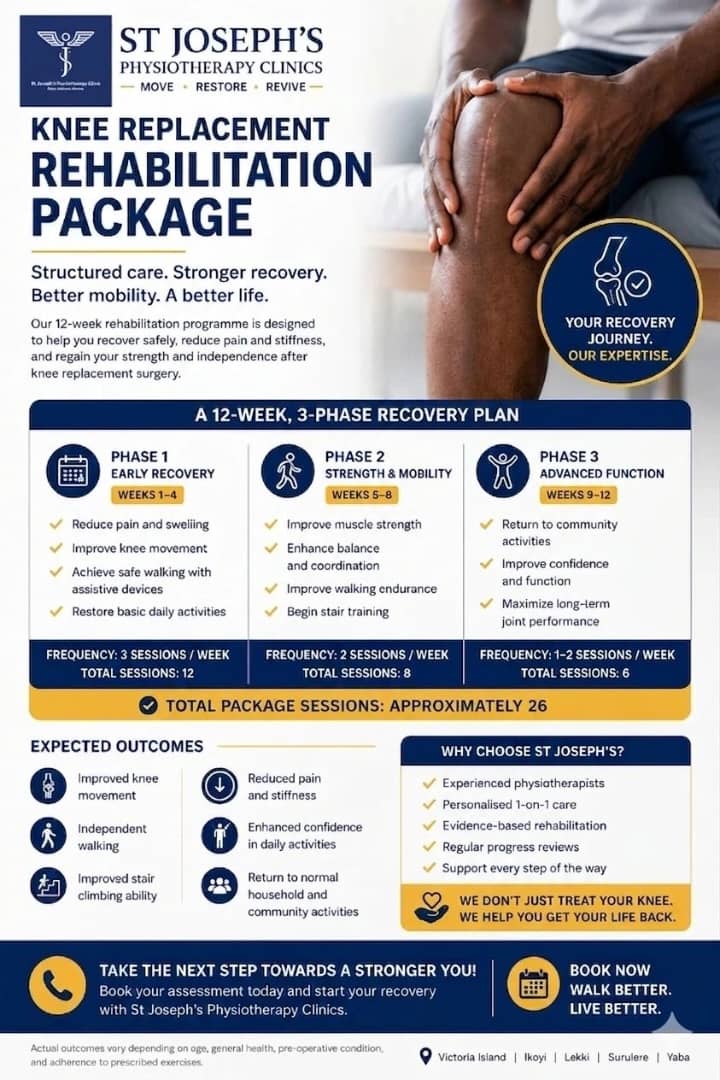
Complete Knee Replacement Rehabilitation Package in Lagos
Knee replacement surgery is a major step toward pain relief and improved mo…

NAMDA threatens strike over unpaid medical lecturers’ allowances
The Nigerian Association of Medical and Dental Academics (NAMDA) has warned…

Resident Doctors Signal End to Strike Threat After High-Level Talks with Gbajabiamila
The threat of a nationwide indefinite strike by the Nigerian Association of…