When you get a pain in your stomach, it might be an actual problem right in your stomach, but not necessarily. Your abdomen is more than your stomach. It’s more than your intestines. It’s the whole area between your chest and your pelvic (hip) bones.
Inside your abdomen, you have your stomach and your intestines, along with lots of other organs: bladder, kidneys, liver, spleen, pancreas, gallbladder, appendix, and adrenal glands.
All of these organs aren’t just bouncing around all over the place inside you — they’re held together inside you by a bag-like membrane called your peritoneum. This two-layered membrane also separates these organs from your outer abdominal muscles. Three layers of muscles — front, back, and side — support this “case” of organs and protect them.
Types of Tummy Troubles
A kid might feel belly pain many reasons, including:
 * Constipation: This is one of the most common reasons for abdominal pain. If you haven’t had a bowel movement (poop) for a while or if it hurts to go to the bathroom or your bowel movements are hard, you are probably constipated.
 * Diarrhoea: Diarrhoea is often caused by an infection that some people call “the stomach flu.” Doctors call this type of diarrhoea/infection gastroenteritis. When you have diarrhoea — runny, watery bowel movements — you may also feel sick to your stomach.
* An Infection Someplace: A sore throat, pneumonia, an ear infection, or a cough can sometimes cause tummy trouble as well. Severe pain also can be caused by a urinary tract infection or a blocked intestine.
* Food: Some kids get abdominal pain because they ate too much of something, ate a food that was too spicy or greasy, ate a food they have an allergy to, or ate food that sat around in the fridge for too long and went bad.
* Appendicitis Or Other Painful Problems: If the pain starts by your belly button and then moves to the lower right side of your abdomen, it might be appendicitis.
* Stress: Many, many kids (and adults, too) have a “nervous stomach” when they are worried or stressed.
However, when you visit your doctor, he will first ask you some questions, examine you, and maybe do some tests. Your doctor may suggest you take some medicine or might give you special instructions for eating to help your body heal the bellyache.
If the doctor suspects you might have appendicitis, he or she may want to take a small sample of your blood and have it tested. Or, the doctor may ask you to have an X-ray, ultrasound, or CAT scan. These tests give the doctor more information about what’s going on inside you. If it turns out that you have appendicitis, you will need an operation called an appendisectomy.
If stress seems to be causing your stomach problems, your doctor may recommend a specialist, such as a psychologist. These experts can help kids figure out the source of the stress and help them come up with some ideas for how to fix the problems or handle them better.
Tips To Prevent Bellyaches
* Don’t overeat.
* Eat fiber-rich foods, such as fruits and vegetables, so your bowel movements are regular.
* Drink lots of fluids, especially water.
* Wash your hands before eating.
* Don’t eat right before bedtime.
* Get lots of sleep so your body doesn’t get run down.
If you have a bellyache, be sure to let an adult know what’s going on!
Source: Leadership News
ABUJA: Training Schedule for Basic Life Support BLS, Pediatric Advanced Life Support (PALS), Advanced Cardiovascular Life Support ACLS, First Aid, CPR, AED
PORTHARCOURT: Training Schedule for Basic Life Support BLS, Pediatric Advanced Life Support (PALS), Advanced Cardiovascular Life Support ACLS, First Aid, CPR, AED
LAGOS: Training Schedule for Basic Life Support BLS, Pediatric Advanced Life Support (PALS), Advanced Cardiovascular Life Support ACLS, First Aid, CPR, AED
STOP paying for airtime and electricity, Let your phone pay its bills with ScreenT
You may also like

Comrade Lemii Christian Emerges Chairman of NANNM Rivers State Branch in Historic Victory
PORT HARCOURT, NIGERIA Following the long awaited National Association of N…

FG Supports Robotic Surgery Expansion to Reduce Medical Tourism
Nigeria is taking another step toward strengthening specialised healthcare …
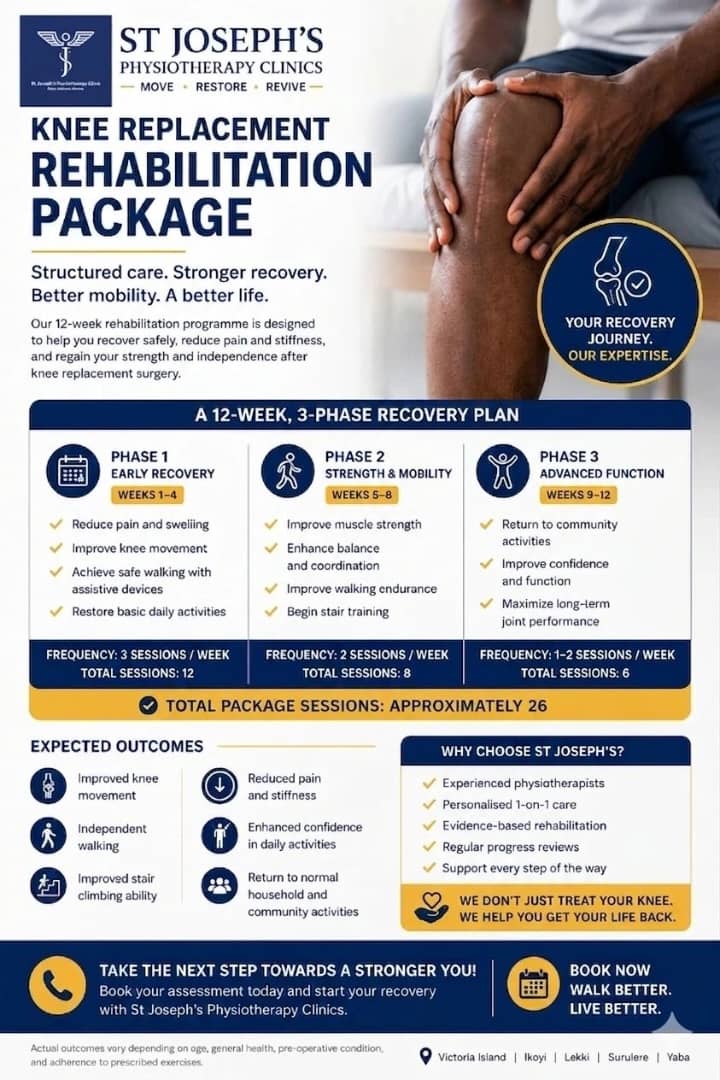
Complete Knee Replacement Rehabilitation Package in Lagos
Knee replacement surgery is a major step toward pain relief and improved mo…

NAMDA threatens strike over unpaid medical lecturers’ allowances
The Nigerian Association of Medical and Dental Academics (NAMDA) has warned…

Resident Doctors Signal End to Strike Threat After High-Level Talks with Gbajabiamila
The threat of a nationwide indefinite strike by the Nigerian Association of…