Global efforts to reduce cervical cancers and deaths have paid off with new developments showing that the numbers of new cervical cancer cases have been halved.
This follows the roll out of the human papilloma virus (HPV) vaccine, across 130 countries worldwide. The HPV vaccine also protects against cancers in the throat and mouth in both men and women.
An estimated 14,550 women are diagnosed with cervical cancer annually in Nigeria, many of them presenting at an advanced stage, making it difficult for care givers to save them. Out of this figure, 9,659 women die yearly from the disease which is preventable.
 According to a Consultant Gynaecologist with the Lagos University Teaching Hospital (LUTH), Dr. Kehinde Okunade, there is now increased awareness in Nigeria to make the populace accept and immunise adolescents with the HPV vaccines which is now available in Nigeria.
 The vaccine could eradicate cancers caused by HPV within 40 years said Prof. Ian Frazer, Chief Executive of the Translational Research Institute, Australia’s first translational research facility dedicated to translating scientific discoveries.
He said: “It helps not only control cervical cancer but also the oropharyngeal cancer – the cancers inside the mouth that are caused by these viruses,” added Frazer. “If we vaccinate enough people, we will eliminate these viruses because they only infect humans. And in Australia there is already been a 90 per cent reduction in infections in the 10 years the programme has been running.” HPV is a very common virus that lives on our skin and other areas of the body, including the mouth, genital areas and anus.
It can be passed through skin-to-skin contact and genital contact. The virus is most often passed during vaginal and anal sex, but can also be transmitted through oral sex.
“The papilloma viruses that cause cancer are very common indeed,” Prof Frazer said. “Most people get rid of the virus themselves without knowing they have contracted it, but one per cent of the population that get it get persistent infection that lasts over five years. If they do that they’ve got a very good chance they will get a cancer.”
By: Appolonia Adeyemi
New Telegraph News
ABUJA: Training Schedule for Basic Life Support BLS, Pediatric Advanced Life Support (PALS), Advanced Cardiovascular Life Support ACLS, First Aid, CPR, AED
PORTHARCOURT: Training Schedule for Basic Life Support BLS, Pediatric Advanced Life Support (PALS), Advanced Cardiovascular Life Support ACLS, First Aid, CPR, AED
LAGOS: Training Schedule for Basic Life Support BLS, Pediatric Advanced Life Support (PALS), Advanced Cardiovascular Life Support ACLS, First Aid, CPR, AED
STOP paying for airtime and electricity, Let your phone pay its bills with ScreenT
You may also like
Comrade Lemii Christian Emerges Chairman of NANNM Rivers State Branch in Historic Victory
PORT HARCOURT, NIGERIA Following the long awaited National Association of N…

FG Supports Robotic Surgery Expansion to Reduce Medical Tourism
Nigeria is taking another step toward strengthening specialised healthcare …
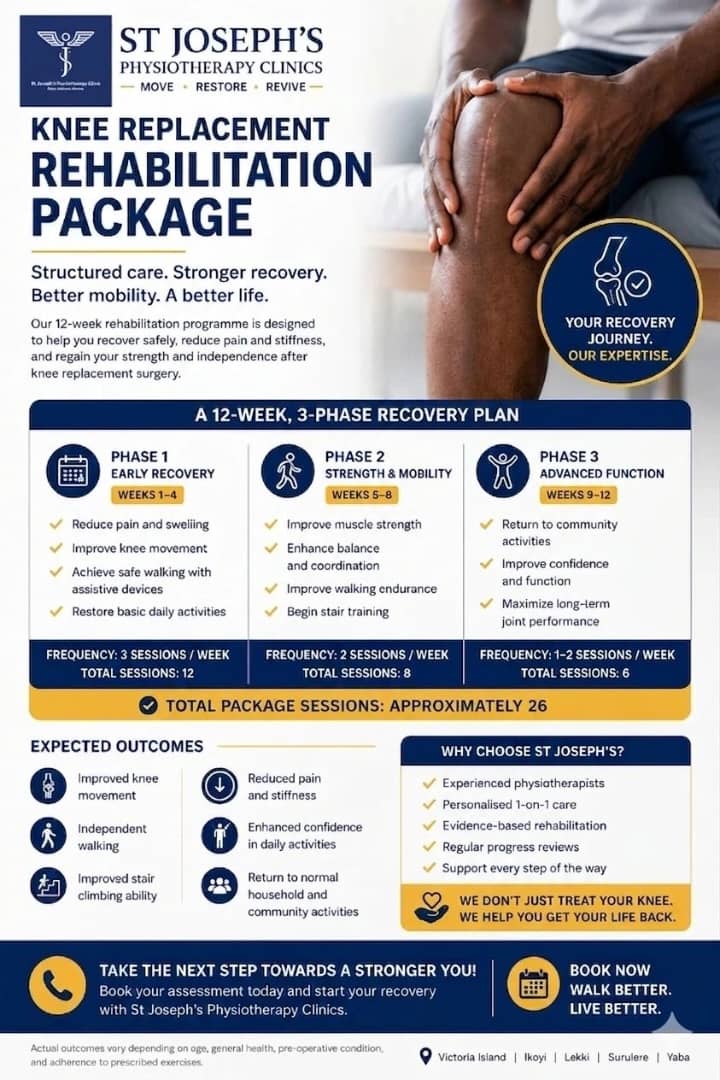
Complete Knee Replacement Rehabilitation Package in Lagos
Knee replacement surgery is a major step toward pain relief and improved mo…

NAMDA threatens strike over unpaid medical lecturers’ allowances
The Nigerian Association of Medical and Dental Academics (NAMDA) has warned…

Resident Doctors Signal End to Strike Threat After High-Level Talks with Gbajabiamila
The threat of a nationwide indefinite strike by the Nigerian Association of…
