Americans are currently working hard to contain an outbreak of measles. According to reports, between January 1 and 30 this year, 102 people from 14 U.S. states were reported to have contacted measles.
Government says most of these cases are part of a large, ongoing multi-state outbreak that has been linked to an amusement park in California.
The recent outbreak of this highly contagious, yet preventable disease, has set the authorities wondering, because as at 15 years ago, America was certified measles-free.
Vaccines for polio, mumps and measles were first released for use in 1968, being part of the childhood injections that are supposed to inoculate a child and protect the society from the scourge of these fatal diseases.
Everything went well and Americans were rest assured that measles had been confined to history. However, people’s confidence in measles vaccines was shaken when a 1998 study linked immunisations to the onset of autism. Though the study was later discredited, it set the ball rolling for the current challenge, as many parents refused to obtain any vaccination whatsoever for their babies.
Their decision had dire consequences: it exposed their babies to childhood killer diseases, one of which is measles.
The United Nations Children’s Fund notes that immunisation is one of the most cost-effective public health investments that anybody – parents and governments alike – could make. Sad to say, however, many parents sometimes neglect to obtain all the necessary immunisations for their babies. This is dangerous, physicians warn.
What are the communicable diseases that you should immunise your baby against? These ones…
Measles
The World Health Organisations describes measles as a highly contagious viral disease that affects mostly children. Physicians say it is transmitted via droplets from the nose, mouth or throat of infected persons.
Initial symptoms, which usually appear 10-12 days after infection, include high fever, runny nose, bloodshot eyes, and tiny white spots on the inside of the mouth. Several days later, a rash develops, starting on the face and upper neck and gradually spreading downwards.
WHO says there is no specific treatment for measles and most people recover within two or three weeks. However, physicians warn that among malnourished children and people with reduced immunity, measles can cause serious complications, including blindness, encephalitis, severe diarrhoea, ear infection and pneumonia.
Though dangerous in itself, physicians assure that measles can be prevented through timely immunisation of children!
A new study concludes that children who receive their measles vaccination on time have a lower risk of adverse events than those who do later than the recommended period. In other words, babies must take their vaccines as at when due.
President, Union of National African Paediatric Societies and Associations, Dr. Dorothy Esangbedo, says children who receive their first dose of a measles-containing vaccine at ages 12 months to 15 months as recommended by physicians, have a lower risk of experiencing fever or seizures shortly after vaccination than those who receive the vaccine at ages 16 months to 23 months.
Childhood tuberculosis
Parents can protect their babies from this dreadful disease by making them take the Bacillus Calmette-Guerin Vaccine, otherwise called BCG.
WHO says the annual deaths of more than 74,000 children due to TB could be prevented each year if parents take the right steps.

Also called paediatric TB, a physician, Dr. Sylvester Ikhisemojie, notes that children with TB may die from pneumonia or other diseases, hence the need for proper immunisation.
Hepatitis B
An expert in child health, Dr. Rotimi Adesanya, says under normal circumstances, an infant receives the first immunisation for this infection before leaving the hospital; and that if the baby’s mother carries the hepatitis B virus, the baby receives the first vaccine shortly after birth.
He warns, “The hepatitis B vaccine protects against hepatitis B, a serious disease that damages the liver. This vaccine is one of the recommended childhood immunisations, but many adults also need to be vaccinated.”
He also says that since there are stages to being immunised against this virus, the second injection is given between one and two months of age; while the third dose is given at six months of age.
Pneumonia
Paediatricians say pneumococcal disease is a serious infection caused by a bacterium known as Streptococcus pneumoniae. Rotimi warns that those infected can spread it primarily in droplets from their nose or mouth when they breathe, cough, or sneeze, hence the need to obtain necessary immunisation for babies who may be more susceptible.
He says, “Depending on what organ or part of the body is infected, in addition to causing pneumonia, in children under the age of five, pneumococcal disease will cause any of several serious illnesses, including bacterial meningitis (an infection of the covering of the brain and spinal cord that can lead to confusion, coma, and death, as well as other physical effects, such as blindness or paralysis); bacteremia (a dangerous infection of the blood stream) and sinus infections.
Lamenting that a major problem in very young children is that the classic symptoms of meningitis and pneumonia are often not present, making the disease hard to recognise, he says that is why prevention is better than cure.
To save your child, obtain the Pneumococcal conjugate vaccine – PCV for short – which is the vaccine of choice for young children.
Polio
While many parts of the world have been rid of this devastating infection, Nigeria is still one of the few countries that need to wipe it out. The WHO says Polio (or poliomyelitis) is a highly infectious viral disease, which mainly affects young children.
“The virus is transmitted through contaminated food and water, and multiplies in the intestine, from where it can invade the nervous system. Many infected people have no symptoms, but do excrete the virus in their faeces, hence transmitting infection to others,” paediatricians warn.
Rotimi says initial symptoms of polio include fever, fatigue, headache, vomiting, stiffness in the neck, and pain in the limbs.
“In a small proportion of cases, the disease causes paralysis, which is often permanent. Polio can only be prevented by immunisation,” the WHO says.
Others
Other childhood diseases that parents must immunise their babies against include diphtheria and rubella – also known as German measles.
BY SOLAADE AYO-ADERELE
ABUJA: Training Schedule for Basic Life Support BLS, Pediatric Advanced Life Support (PALS), Advanced Cardiovascular Life Support ACLS, First Aid, CPR, AED
PORTHARCOURT: Training Schedule for Basic Life Support BLS, Pediatric Advanced Life Support (PALS), Advanced Cardiovascular Life Support ACLS, First Aid, CPR, AED
LAGOS: Training Schedule for Basic Life Support BLS, Pediatric Advanced Life Support (PALS), Advanced Cardiovascular Life Support ACLS, First Aid, CPR, AED
STOP paying for airtime and electricity, Let your phone pay its bills with ScreenT
You may also like
Comrade Lemii Christian Emerges Chairman of NANNM Rivers State Branch in Historic Victory
PORT HARCOURT, NIGERIA Following the long awaited National Association of N…

FG Supports Robotic Surgery Expansion to Reduce Medical Tourism
Nigeria is taking another step toward strengthening specialised healthcare …
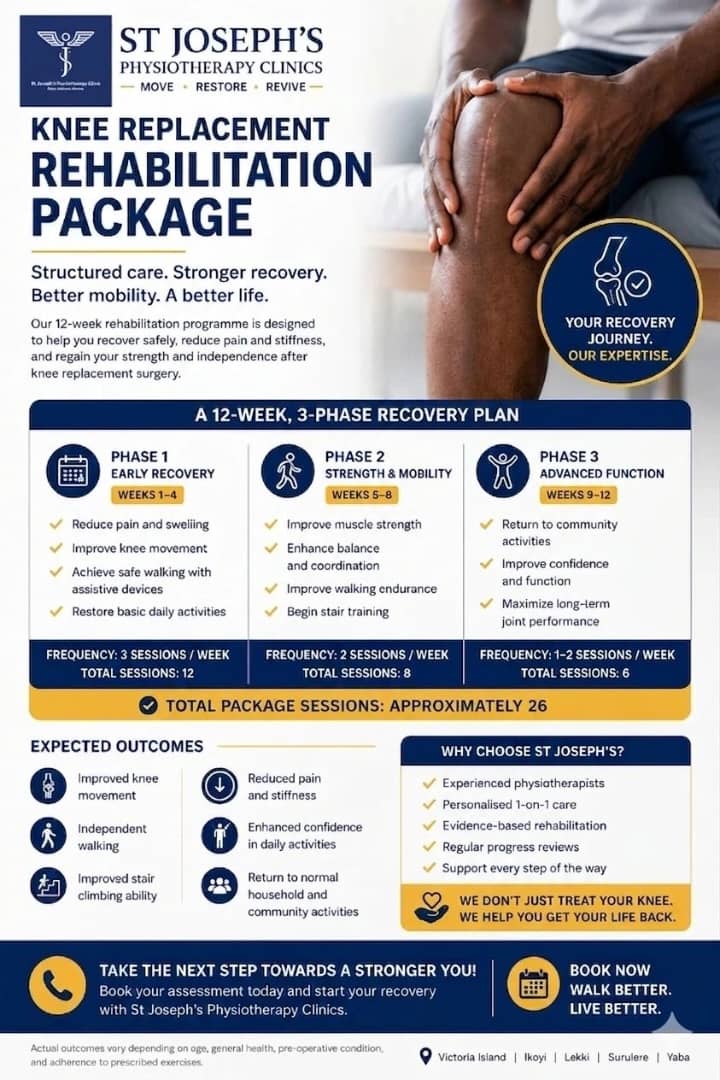
Complete Knee Replacement Rehabilitation Package in Lagos
Knee replacement surgery is a major step toward pain relief and improved mo…

NAMDA threatens strike over unpaid medical lecturers’ allowances
The Nigerian Association of Medical and Dental Academics (NAMDA) has warned…

Resident Doctors Signal End to Strike Threat After High-Level Talks with Gbajabiamila
The threat of a nationwide indefinite strike by the Nigerian Association of…