Published: 10 April 2015
Nurses caring for people with diabetes are being offered guidance on the difficult area of pre-loading insulin syringes for people with diabetes, who are otherwise unable to manage their condition.
Ideally, people with diabetes who need regular doses of insulin are provided with devices such as insulin pens. However, in a small minority of cases, some patients are not able to manage these devices and pre-loaded syringes are used as a last resort.
 New guidance
 The RCN’s new guidance aims to ensure that in those circumstances care is kept safe for the patient, and that alongside this, nurses are aware of the legal position around undertaking such treatment and their own liability.
The previous guidance was one of the most used of all RCN publications, demonstrating the importance placed by nurses on getting care right in this difficult area.
Refine best practice
Dr Peter Carter, Chief Executive & General Secretary of the Royal College of Nursing, said:
“The dedication of the RCN members who have led on this vital piece of guidance has been inspiring. The NHS’s ability to manage diabetes will be crucial over the coming years, and specialist staff and those working in the community will be in a key position to refine best practice and give care of the highest quality.
“It is a testament to their dedication that we are now publishing such a clear and user-friendly piece of guidance for nurses in all settings.”
Care is delivered safely
Libby Dowling, Clinical Advisor at Diabetes UK said:
“A small but significant number of people need to use pre-loaded syringes to help manage their diabetes. In these cases, it is vital that care is delivered safely and nurses are aware of the legal position surrounding this practice.
We therefore welcome guidance that will help people with diabetes retain as much independence as possible in managing their condition, while also ensuring they receive the highest level of care available”.
Source:
rcn.org.uk
ABUJA: Training Schedule for Basic Life Support BLS, Pediatric Advanced Life Support (PALS), Advanced Cardiovascular Life Support ACLS, First Aid, CPR, AED
PORTHARCOURT: Training Schedule for Basic Life Support BLS, Pediatric Advanced Life Support (PALS), Advanced Cardiovascular Life Support ACLS, First Aid, CPR, AED
LAGOS: Training Schedule for Basic Life Support BLS, Pediatric Advanced Life Support (PALS), Advanced Cardiovascular Life Support ACLS, First Aid, CPR, AED
STOP paying for airtime and electricity, Let your phone pay its bills with ScreenT
You may also like

Comrade Lemii Christian Emerges Chairman of NANNM Rivers State Branch in Historic Victory
PORT HARCOURT, NIGERIA Following the long awaited National Association of N…

FG Supports Robotic Surgery Expansion to Reduce Medical Tourism
Nigeria is taking another step toward strengthening specialised healthcare …
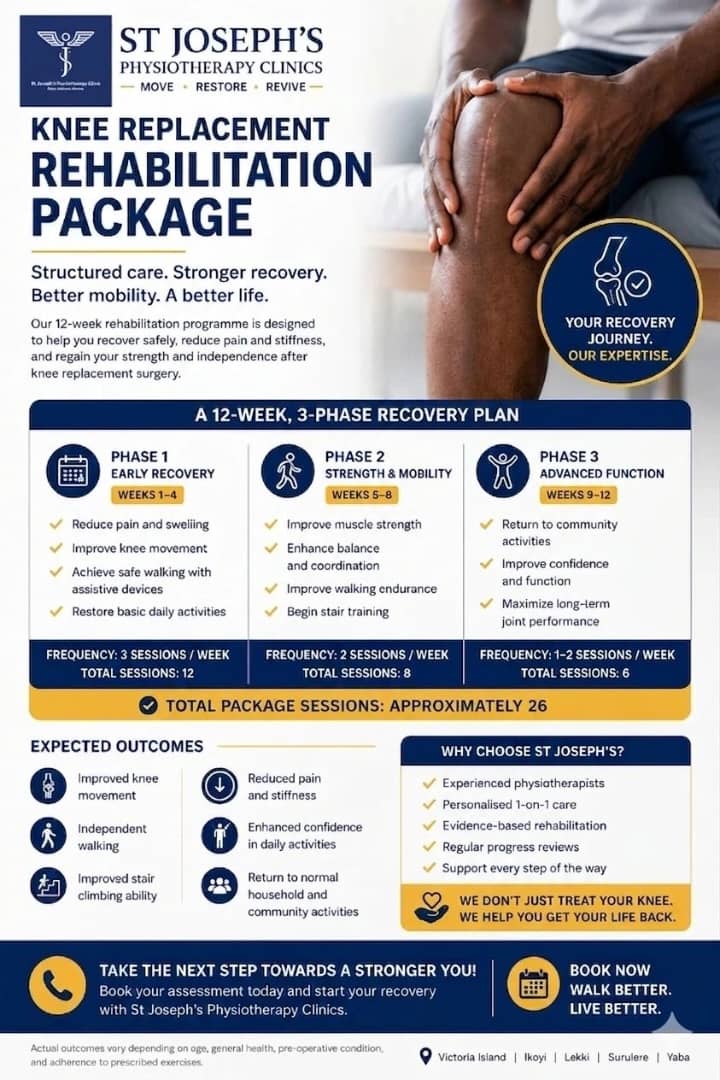
Complete Knee Replacement Rehabilitation Package in Lagos
Knee replacement surgery is a major step toward pain relief and improved mo…

NAMDA threatens strike over unpaid medical lecturers’ allowances
The Nigerian Association of Medical and Dental Academics (NAMDA) has warned…

Resident Doctors Signal End to Strike Threat After High-Level Talks with Gbajabiamila
The threat of a nationwide indefinite strike by the Nigerian Association of…
