As an admitted patient presently under the care of resident doctors in one of the teaching hospitals in Nigeria, supporting the on-coming January 2nd strike by the National Association of Resident Doctors (NARD) may sound contradictory. Living in a country whose doctor-patient ratio is 1:3500 as against the World Health Organizations’ (WHO) standard of 1:600, the news of doctors embanking on strike has always being a source of trepidations to both patients and their relatives who can’t afford the exuberant cost of treatment at private hospitals. Still, unless Nigerians support the actions of these doctors for improve health system and work condition, the state of our health institutions will continue to remain in shambles.
As unfortunate and unbelievable as it may sound, prior to my admission for surgery, the oxygen plant of the teaching hospital broke down. This resulted in a total halt in all surgical activities for two weeks in a hospital that serves as a referral place by other teaching hospitals in the region. While I was lucky to get another three weeks appointment, most patients will have to wait for the next two or three months until the plethora of patients awaiting surgery are cleared before being admitted. If they are unlucky, looming strikes might result in postponements upon postponements. My admission that was meant to last two days before surgery lasted over two weeks because of limited, dilapidated and malfunctioned equipment that are either only available in private or military medical centers around, or that must be rationed by all departments in the hospital and also the few doctors having to shuttle between weekly clinics, surgeries, students, conferences, meetings, and number of patients in the ward.
 When you have over eight thousand Nigerian doctors in the U.S and the U.K alone, the quality of the residency programs in U.S, Canada and the U.K, the access to better funding for research, better medical facilities, and the importance those governments and private organizations place in ensuring their countries are at the forefront of medical research and development in the world makes more Nigerian doctors over the years to be more interested in the very competing U.S , U.K and Canada residency program that have better working conditions over the poorly funded program in Nigeria.
 The major problem hampering delivery of quality public health service in Nigeria is poor funding. A mere visit to the Nigeria Turkish Nizamiye hospital in Abuja that is estimated to be put in place by a budget of $20 million, a fraction of a fraction of money stolen from public fund will leave a person contemplating if the facility is really in Nigeria. The staff attitude, neatness, state of the art medical facilities ranging from MRI, 4D, and ultrasound machines are incomparable with even the best of our teaching hospitals.
The issues leading to strike have always being the same: gross underfunding of training, research, and residency program for which the country’s consultants are being produced. It will be in the best interest of the country if doctors who have remained behind to cater for the health need of a looming population be unduly suffocated by a system under the control of officials who don’t use such facilities. This indeed is capable of driving the few doctors in the country who work round the clock like robots to seek better jobs abroad.
Yahaya Idris, Zaria.
ABUJA: Training Schedule for Basic Life Support BLS, Pediatric Advanced Life Support (PALS), Advanced Cardiovascular Life Support ACLS, First Aid, CPR, AED
PORTHARCOURT: Training Schedule for Basic Life Support BLS, Pediatric Advanced Life Support (PALS), Advanced Cardiovascular Life Support ACLS, First Aid, CPR, AED
LAGOS: Training Schedule for Basic Life Support BLS, Pediatric Advanced Life Support (PALS), Advanced Cardiovascular Life Support ACLS, First Aid, CPR, AED
STOP paying for airtime and electricity, Let your phone pay its bills with ScreenT
You may also like

Doctor Dies of Lassa Fever as Death Toll Exceeds 200: Renewed Call for Stronger Disease Control Measures
The death of a medical doctor from Lassa fever in Benue State has reignited…
BEYOND NEGLECT: OUR ADVOCACY IS FORGING A TRANSFORMED PROFESSION
BEYOND NEGLECT: OUR ADVOCACY IS FORGING A TRANSFORMED PROFESSIONTo all memb…
Nigeria Moves Closer to Eliminating River Blindness, Says NIMR
The Nigerian Institute of Medical Research (NIMR) has expressed renewed opt…
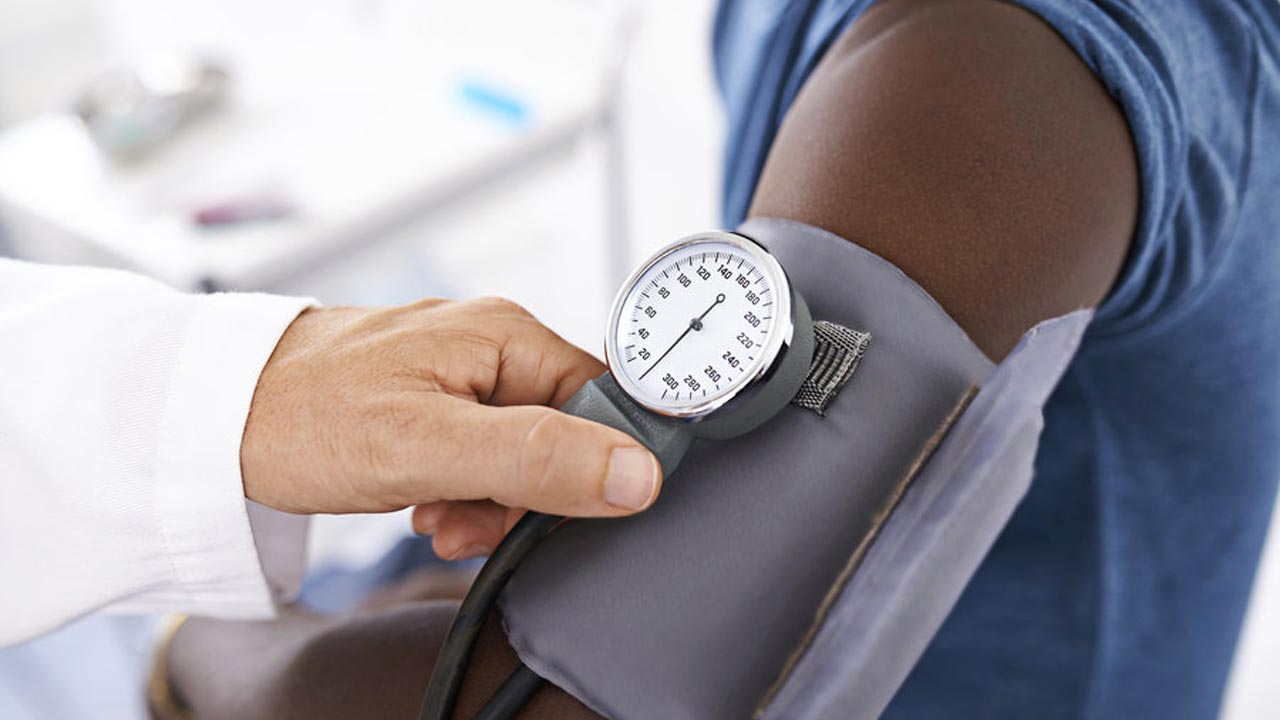
Nigeria’s Silent Crisis: Confronting the Realities of Hypertension and Diabetes
Amidst Nigeria’s wide-ranging public health challenges, two chronic conditi…

The Practicality and Benefits of Paying Ward Coat Allowance to Medical Professionals
In the evolving landscape of medical education and healthcare practices, th…