The International Council of Nurses (ICN) has joined with three other international federations to submit a joint working paper —“The health and humanitarian case for banning and eliminating nuclear weapons”—to the Open Ended Working Group (OEWG) on Taking Forward Multilateral Nuclear Disarmament Negotiations, which holds its main meeting in Geneva this week to decide what new legal measures are needed to achieve nuclear disarmament. The OEWG will report back to the UN General Assembly later this year.
The paper, written by ICN, International Physicians for the Prevention of Nuclear War,, the World Medical Association, and the World Federation of Public Health Associations, states that the medical and scientific evidence about the consequences of nuclear weapons requires urgent action to prohibit and eliminate them as “the only course of action commensurate with the existential danger they pose.”
 “The International Council of Nurses (ICN) abhors the accidental or deliberate use of nuclear, chemical, biological and conventional weapons and land mines; all of which undermine health and threaten survival,” said Dr Frances Hughes, ICN’s Chief Executive Officer. “Inherent to nursing is the respect for the life and dignity of people, thus nurses have a responsibility to work towards eliminating any threats to life and health.”
 The working paper summarizes the evidence presented at three international conferences on the Humanitarian Impact of Nuclear Weapons, emphasizing that:
• A nuclear war with weapons in existing arsenals could kill many more people in a few hours than were killed during the entire Second World War;
• Radioactive fallout from nuclear weapons lingers in the environment, causing cancers and other illnesses over generations;
• Fewer than one percent of the nuclear weapons in the world today could disrupt the global climate and cause a nuclear famine;
• A meaningful medical and humanitarian response to aid the survivors of nuclear conflict is impossible.
The four organisations told OEWG participants that they have “a unique opportunity and a shared responsibility to take leadership on nuclear disarmament by reframing the goal as a humanitarian-based process for banning and eliminating nuclear weapons.” They urged the OEWG to “assert the need for a new treaty that…explicitly prohibit[s]…nuclear weapons, based on their unacceptable consequences.”
More information is available at: www.peaceandhealthblog.com
ABUJA: Training Schedule for Basic Life Support BLS, Pediatric Advanced Life Support (PALS), Advanced Cardiovascular Life Support ACLS, First Aid, CPR, AED
PORTHARCOURT: Training Schedule for Basic Life Support BLS, Pediatric Advanced Life Support (PALS), Advanced Cardiovascular Life Support ACLS, First Aid, CPR, AED
LAGOS: Training Schedule for Basic Life Support BLS, Pediatric Advanced Life Support (PALS), Advanced Cardiovascular Life Support ACLS, First Aid, CPR, AED
STOP paying for airtime and electricity, Let your phone pay its bills with ScreenT
You may also like
Comrade Lemii Christian Emerges Chairman of NANNM Rivers State Branch in Historic Victory
PORT HARCOURT, NIGERIA Following the long awaited National Association of N…

FG Supports Robotic Surgery Expansion to Reduce Medical Tourism
Nigeria is taking another step toward strengthening specialised healthcare …
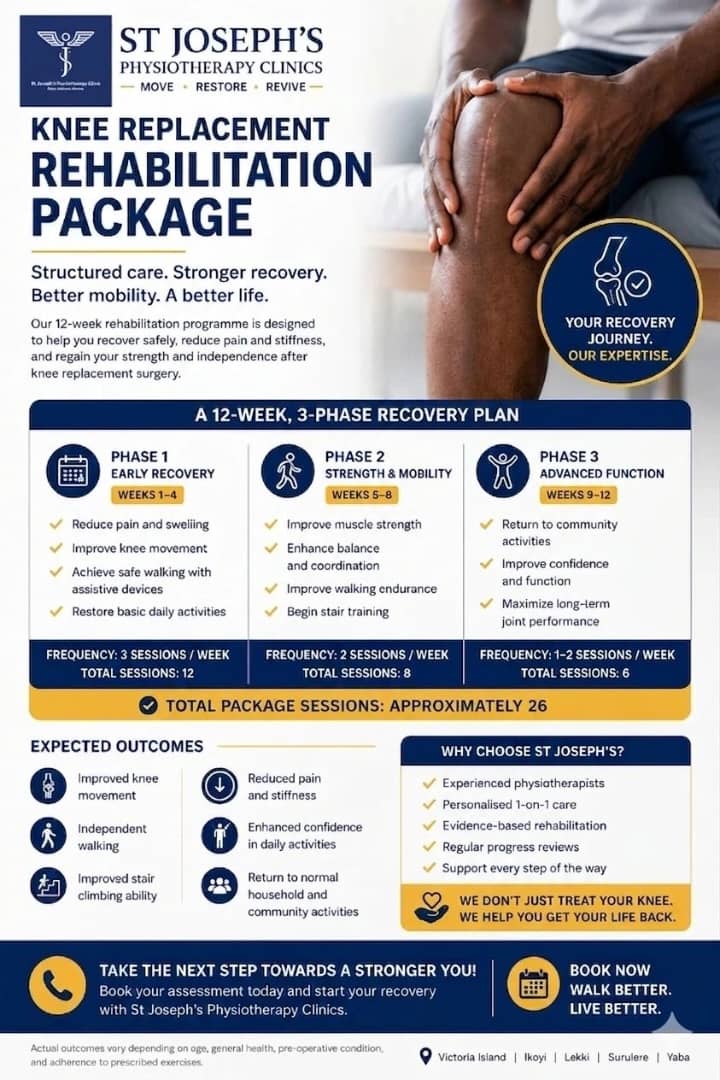
Complete Knee Replacement Rehabilitation Package in Lagos
Knee replacement surgery is a major step toward pain relief and improved mo…

NAMDA threatens strike over unpaid medical lecturers’ allowances
The Nigerian Association of Medical and Dental Academics (NAMDA) has warned…

Resident Doctors Signal End to Strike Threat After High-Level Talks with Gbajabiamila
The threat of a nationwide indefinite strike by the Nigerian Association of…