There is nothing like beaming a charming smile especially when you know that you have a white set of teeth to back it up. And of course, the reverse applies; stained teeth can make an otherwise beautiful smile look unsightly. A study on the influence of tooth colour on the perceptions of personal characteristics which was published in the British Dental journal showed that people with whiter teeth are perceived as more socially competent, smarter, more satisfied with their relationships, and more psychologically adjusted. Another study conducted by an independent research firm showed that a beautiful white smile has a direct effect on successful interpersonal interactions, both socially and professionally.
The fact is that it’s easy to stain your teeth; any food or drink that will stain a white cloth will stain your teeth, too. But even though stained teeth are common, that doesn’t mean you can’t do anything about it. The first step to a brighter, whiter smile is to learn exactly what causes stained teeth. The next — and most important — step is to see your dentist to find out what solutions are best for your smile.
According to experts, there are two primary classes of tooth stains: extrinsic and intrinsic. Extrinsic tooth stains are stains on the surfaces of teeth. Intrinsic tooth stains are found on the inside of the tooth, within its inner layers, in the dentin or in the pulp area. A simple way to remember the difference is to think of extrinsic tooth stains as being on the exterior of the tooth and intrinsic tooth stains on the interior of the tooth.
In general, extrinsic tooth stains are caused by certain habits like not brushing, flossing or seeing your dentist on a regular basis; drinking coffee and smoking or chewing tobacco. Intrinsic stains may be caused by tooth traumas (a broken tooth or chipped tooth), certain antibiotics (and dental conditions). Let’s look more at the causes of stained teeth.
Tobacco Use: Smoking or chewing tobacco can result in discolored teeth.
Disease: Diseases affecting enamel and dentin can lead to tooth discoloration. Certain infections in pregnant mothers can cause tooth discoloration in the baby by affecting enamel development.
Medications: Antihistamines, antidepressants and high blood pressure drugs can discolor teeth. Maternal use of tetracycline antibiotics during the second half of pregnancy may result in discoloration of the baby’s tooth enamel. Children who take tetracycline and doxycycline antibiotics during permanent tooth development (before age eight) may experience intrinsic discoloration of the permanent teeth.

Ageing: As you age, the outer layer of enamel on your teeth wears away, revealing the dentin’s natural, yellow color. Additionally, over the years your teeth accumulate more stains and tartars, causing them to darken and discolor.
Fluoride: Excessive fluoride from environmental sources, such as high fluoride levels in drinking water, or from excessive use of fluoride applications, rinses, toothpastes and oral fluoride supplements, can cause teeth discoloration.
Medical Treatments: Certain treatments can adversely affect the color of enamel and dentin layers. For example, chemotherapy, and head and neck radiation are two such treatments.
Foods/Drinks & Tobacco: Coffee, tea, colas and red wine, when consumed over time, produce stains on teeth that can result in yellow, brown, green or orange discolorations. Typically, these types of tooth staining can be removed by regular home dental care, which includes brushing, flossing and rinsing after meals, as well as by eliminating or cutting down on the stain-inducing foods and beverages.
Genetics: Like your complexion or the color of your eyes, your teeth may appear yellower, browner or grayer due to inherited genes. Teeth whitening treatments may have little or no noticeable effects on teeth that have natural discolorations. Some lucky individuals have naturally brighter and/or thicker enamel than others.
Poor Oral Hygiene/Tooth Decay: These can cause your teeth to have stains that are white, gray, brown, yellow, or even black and green. Teeth whitening products will not resolve these types of stains. In such cases, the person’s dentist must repair the damage caused by the neglect and tooth decay with dental restorations, such as fillings.
Trauma/Root Canal Treatments: Traumatic events, such as an accident or a fall, as well as root canal treatments, can result in nerve tissue damage that can cause gray or brown tooth stains. Stains only form on the tooth or teeth directly affected by the incident. In some cases, this discoloration may be an indication that the nerve inside the tooth has died.
Tooth Discoloration Treatments
Treatment options for discolored teeth vary depending on the cause. Before opting for whitening procedures like tooth whitening, bleaching, ultrasonic cleaning, rotary polishing or more, it is best to consult with your dentist to know the best tooth discolouration treatment for you. However, there are certain lifestyle changes that would help reduce stains on your teeth. They include:
Good Hygiene: Practice proper dental hygiene by brushing and flossing daily, and getting professional teeth cleanings every six months or more frequently, depending on your dentist’s recommendation, to help remove surface stains and bacteria. Use an ultrasonic toothbrush, which more effectively removes stain-causing foods from tooth surfaces.
Quit smoking: We know this is easier said than done, but if you won’t stop for your health, will you do it for a more attractive smile?
Be wise about beverages: You know how coffee, cola or tea can stain your cup, how much more your teeth? When you do indulge in staining beverages, do so in one or two sittings rather than sipping such drinks throughout the day. And brush after drinking them.
Use a straw: Sipping iced cola, and fruit juices through a plastic straw will reduce your teeth’s exposure to these staining beverages.
Go for good toothpaste: So many toothpaste promise to whiten the teeth but don’t deliver. Even some So-called smokers’ toothpastes, designed to scrub away tobacco, coffee, and other stains on the teeth, are generally abrasive and should be avoided in all but the most serious cases of stained teeth. It’s best to go for top quality tooth paste or see your dentist for a recommendation.
Swallow promptly: Swallowing stain-causing foods and beverages quickly is also believed to help protect teeth from stains. Obviously, it’s important to chew foods thoroughly before swallowing. But don’t retain things in your mouth for long periods of time. In other words, the quicker you drink something the lower the exposure to stain-promoting substances.
Swish with water: It’s not always convenient to brush your teeth after having something to eat or drink. Even when it is, it might be better not to: dental enamel is highly vulnerable to abrasion from tooth brushing for up to 30 minutes after the consumption of an acidic food or beverage. So it’s safer simply to swish with water — and brush later, once the enamel has had a chance to re-harden. Another way to remove stain-causing substances without brushing, is to chew sugarless gum after eating or drinking.
By: Judith Frank-Edet
Daily Trust
ABUJA: Training Schedule for Basic Life Support BLS, Pediatric Advanced Life Support (PALS), Advanced Cardiovascular Life Support ACLS, First Aid, CPR, AED
PORTHARCOURT: Training Schedule for Basic Life Support BLS, Pediatric Advanced Life Support (PALS), Advanced Cardiovascular Life Support ACLS, First Aid, CPR, AED
LAGOS: Training Schedule for Basic Life Support BLS, Pediatric Advanced Life Support (PALS), Advanced Cardiovascular Life Support ACLS, First Aid, CPR, AED
STOP paying for airtime and electricity, Let your phone pay its bills with ScreenT
You may also like

Comrade Lemii Christian Emerges Chairman of NANNM Rivers State Branch in Historic Victory
PORT HARCOURT, NIGERIA Following the long awaited National Association of N…

FG Supports Robotic Surgery Expansion to Reduce Medical Tourism
Nigeria is taking another step toward strengthening specialised healthcare …
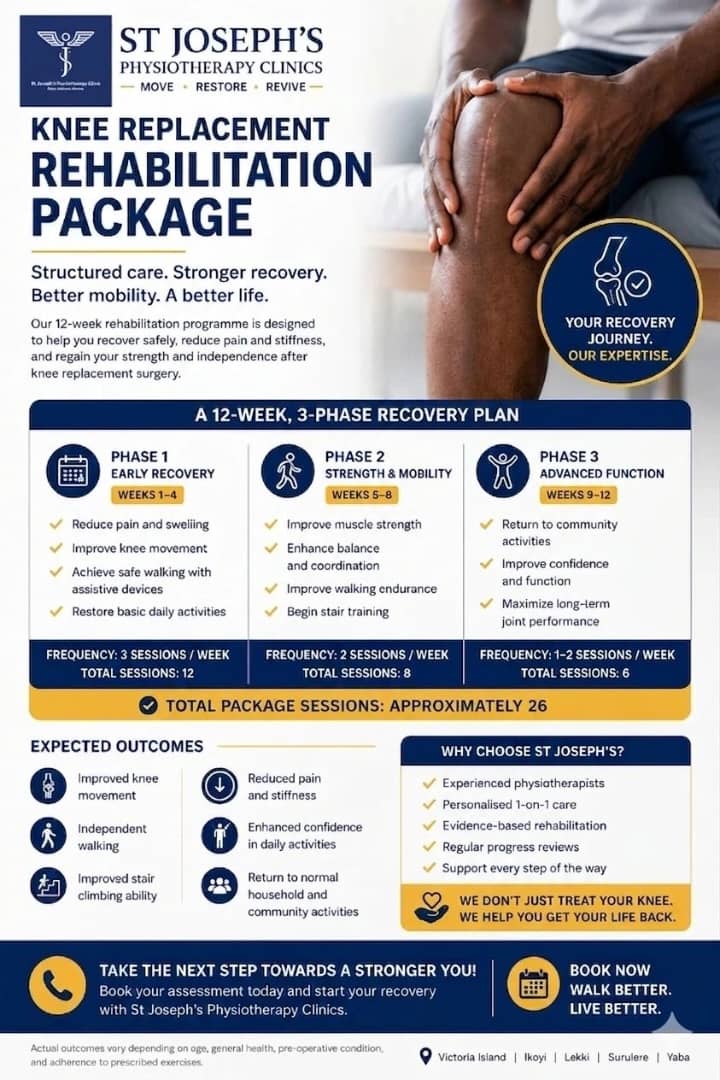
Complete Knee Replacement Rehabilitation Package in Lagos
Knee replacement surgery is a major step toward pain relief and improved mo…

NAMDA threatens strike over unpaid medical lecturers’ allowances
The Nigerian Association of Medical and Dental Academics (NAMDA) has warned…

Resident Doctors Signal End to Strike Threat After High-Level Talks with Gbajabiamila
The threat of a nationwide indefinite strike by the Nigerian Association of…