Testing the "energy supply" in an embryo could improve the odds of having a baby through IVF, University of Oxford researchers say.
They analysed the activity of microscopic power stations called mitochondria in 111 embryos.
The data, being presented at a conference, found a zero percent pregnancy rate if mitochondrial activity was high.
Experts said the results were an exciting development that may boost IVF success rates.
There is huge effort being put into improving IVF - for women under the age of 35, only about a third of cycles result in a baby.
One approach is to select the healthiest embryo to implant into a woman's womb from the multiple embryos made during IVF.
 Visibly inspecting the embryos and checking they have the correct set of chromosomes, or genetic information, from both mother and father increase success rates. But, even when embryos appear normal, many fail to implant.
 The Oxford team added a mitochondrial inspection to the mix and tested levels of mitochondrial DNA in five-day-old embryos.
Data presented at the European Society of Human Reproduction and Embryology, showed only 78 of the 111 embryos successfully implanted to result in pregnancy.
It also showed 76 percent of embryos that looked physically normal had normal chromosomes and normal mitochondrial activity im-planted.
But zero percent of embryos implanted if they had abnormal mitochondria, even though everything else looked healthy.
Dr Elipda Fragouli, one of the researchers, told the BBC News website: "It is exciting, it is something interesting, some-thing new and hopefully we will be able to use it clinically."
Fellow researcher, Prof Dagan Wells said: "A relatively small number of embryos around 10 percent have this problem, but, anything that can help us with embryo selection has to be a good thing." He hopes better testing of embryos will avert the "emotional rollercoaster" of repeatedly failing to get pregnant.
But, the researchers warn it is only a test and cannot improve the em-bryos if they are all of poor quality.
The test is already be-ing offered in the US, and the fertility regulator, the Human Fertilisation and Embryology Authority, is considering whether it should be allowed in the UK.
Prof Nick Macklon, from the University of Southampton, told the BBC News website: "I think it's an exciting scientific development, it provides a window on an aspect of embryo function that we haven't been able to look at before."
Source: Daily Sun News
ABUJA: Training Schedule for Basic Life Support BLS, Pediatric Advanced Life Support (PALS), Advanced Cardiovascular Life Support ACLS, First Aid, CPR, AED
PORTHARCOURT: Training Schedule for Basic Life Support BLS, Pediatric Advanced Life Support (PALS), Advanced Cardiovascular Life Support ACLS, First Aid, CPR, AED
LAGOS: Training Schedule for Basic Life Support BLS, Pediatric Advanced Life Support (PALS), Advanced Cardiovascular Life Support ACLS, First Aid, CPR, AED
STOP paying for airtime and electricity, Let your phone pay its bills with ScreenT
You may also like

Comrade Lemii Christian Emerges Chairman of NANNM Rivers State Branch in Historic Victory
PORT HARCOURT, NIGERIA Following the long awaited National Association of N…

FG Supports Robotic Surgery Expansion to Reduce Medical Tourism
Nigeria is taking another step toward strengthening specialised healthcare …
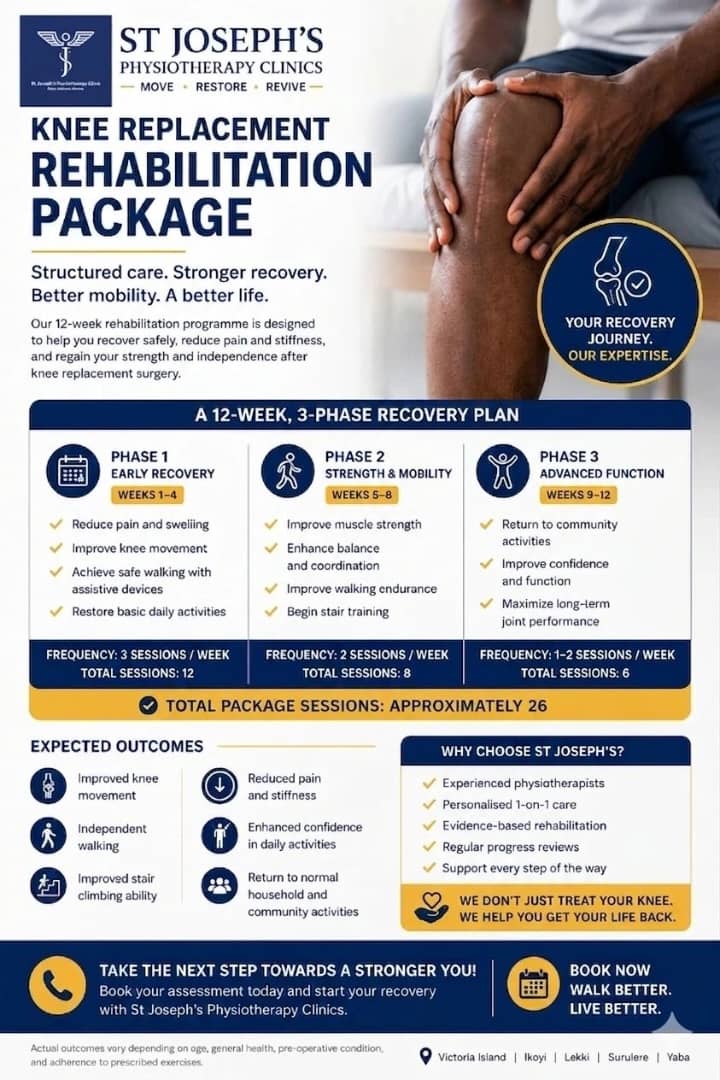
Complete Knee Replacement Rehabilitation Package in Lagos
Knee replacement surgery is a major step toward pain relief and improved mo…

NAMDA threatens strike over unpaid medical lecturers’ allowances
The Nigerian Association of Medical and Dental Academics (NAMDA) has warned…

Resident Doctors Signal End to Strike Threat After High-Level Talks with Gbajabiamila
The threat of a nationwide indefinite strike by the Nigerian Association of…