Abandonment remains the fate of the nation’s public hospitals as the strike by the Joint Health Sector Union enters its 78th day. FEMI ATOYEBI, SAM AWOYINFA, SUCCESS NWOGUand BUKOLA ADEBAYO report
Usually, patients occupy the corridors, walkways and the waiting areas in many public hospitals in the mornings, as they gather to seek medical attention.
In fact, many leave their houses as early as 6am to join the long queue of patients waiting to see doctors and other health workers in the hospitals.
However, the ongoing strike by nurses, pharmacists, radiotherapists, medical record officers and other cadre of health workers in federal and state hospitals has changed this scenario.
Our correspondents, who visited some public hospitals in Ogun, Oyo, Kwara and Lagos states, observed that rather than patients waiting to see doctors, the opposite has become the case.
For instance, at the paediatric unit of the Ogun State General Hospital, Ijaiye, Abeokuta, on Tuesday, four doctors were sitting idle in their clinic without any patient in sight.
Our correspondent overheard them complaining about the poor turnout of patients since the strike started.
JOHESU members comprising pharmacists, radiographers, nurses, physiotherapists, medical laboratory scientists, occupational therapists, optometrists, dieticians, medical social workers, clinical psychologists and dental technicians have been on strike since November 12.
They are kicking against their non-appointments into key positions in hospitals as well as their non-promotion to the position of consultants.
They are also demanding that the Federal Government adjust the Consolidated Health Workers Salary Scale as it did for the Nigerian Medical Association last year.
However, a female doctor, who eventually spoke to our correspondent in Abeokuta, said crying babies and their mothers were no longer common sight in the hospital. According to her, the boisterous environment now looks like a deserted place, especially as only skeletal services go on in the place.
She added, “Before now, there were days I would be on call duty for two days just to be able to cope with emergencies. Now, the whole place is empty. These days, I rarely sleep overnight. In fact, I resume now by 9am and I leave by 3pm. Sometimes in a day, we have just one patient seeking medical attention.
“I use this period to brush up on my medical knowledge and other advancements in medicine relating to my field. But I wish patients will still come around. We are working.”
The outpatient unit of the hospital also looked forsaken, while the pharmacy was devoid of any activity.
The Federal Medical Centre, Idi-Aba, Abeokuta, also looked more like a ‘ghost community’ on Tuesday.
The Pharmacy, Accident/ Emergency ward, Maternity ward, Antenatal/Post-natal wards, General Out-Patient department, Surgical Theatre, Revenue unit, among others, were also under lock and key.
In fact, even the majority of the patients on admission before the strike commenced left the hospital on their own in spite of the fact that doctors were on ground to attend to them.
The same scenario played out at the Olabisi Onabanjo University Teaching Hospital, Sagamu.
A source, who craved anonymity for fear of sanction, said in all the wards in the hospital, only six patients were on admission. According to the source, many patients have gone to seek medical attention in private hospitals.
For the chairperson, JOHESU-OOUTH chapter, Mrs. Kikelomo Enaholo, the development was not surprising, considering the scope of the industrial action.
The scenario was not different at the Neuro-Psychiatric Hospital, Aro, also in Abeokuta. One of the few doctors in the hospital confirmed the development.
She said, “There is no patient in any of the wards, they have all gone home. We cannot even accept new cases because it would be suicidal to admit a psychiatric patient without the help of supporting members of staff. Even the few outpatients come in trickle these days.”
The ‘desertion syndrome’ did not fail to catch up with the outpatient unit of the Lagos State University Teaching Hospital, Ikeja. On Tuesday when one of our correspondents visited the establishment, the majority of the doctors available remained idle, as the sick were not coming to seek medical assistance.
The dental and the emergency units of the hospital were also not spared of the abandonment.
However, there were doctors attending to patients at the HIV clinic.
A doctor at the outpatient unit, who spoke on condition of anonymity, attributed the abandonment in the hospital to misinformation.
According to him, patients are not coming to the hospital because they have the notion that every medical professional is on strike.
He said, “When patients hear that hospitals are on strike, they assume that it is the whole workforce that is not working. This, nonetheless, is not true. Doctors are on ground to attend to emergencies, clinics and other non-emergency cases.
“We are not on strike. We are ready to do all we can for patients till the strike is over.”
The University College Hospital, Ibadan, Oyo State, which used to be the busiest medical institution in the city, is also a ghost town.
The dusty benches at the wards, locked doors and windows, deserted lobbies and vacant car park are enough testimonies that all is not well in the hospital.
When our correspondent visited the institution on Tuesday, there was no single nurse or other supporting staff in the premises. The few doctors on ground were just sitting in their offices with no patient in sight.
The Chief Medical Director, Prof. Tope Alonge, was not around to speak to our correspondent but the Public Relations Officer of the institution, Deji Bobade, said only a few patients remained in the wards.
Bobade said, “Doctors do come around but they are idle, so they leave early. We have a few patients in all the wards that used to accommodate no fewer than 1,000 patients. Medical training is obviously affected because the students don’t have any patient to examine.”
At the general canteen of the college, it was obvious that business was not as usual due to low patronage. Food vendors and other petty traders by the gate of the institution complained bitterly to our correspondent.
A fruit seller said, “A lot of patients’ relatives and medical students come and buy fruits and fresh bread from us. In fact, it is hard to cope with the demand because UCH is a big hospital, but now, I hardly sell one pineapple, so I cut it into bits. Others rot away and I cannot take bread as much.
“So I now open for only two hours in a day. We hope they will call off this strike soon.”
From Kwara State, patients, who had gone to some of the state-owned hospitals went home disappointed on Monday.
One of the patients who identified herself as Mrs. Omotunde Idowu, said she had to take her sick son back home as there were no nurses to attend to them due to the ongoing strike.
Another patient, Mrs. Iyabo Yusuf, said it was sad that she was facing such an “ugly situation” in the New Year.
Many public hospitals at state and local government levels remain empty since members of JOHESU, who represent 70 per cent of the medical workforce in hospitals, embarked on an indefinite strike on October 16 to protest against the non-implementation of collective bargain agreement and Memorandum of Understanding between the union and the Federal Government.
The President, Nigerian Union of Allied Health Professionals, Mr. Felix Faniran, said the strike might linger due to the failure of the Federal Government to heed their demands.
Faniran stated, “We have been overly patient, but longsuffering has its limits. We have now arrived at a decision. This industrial action is indefinite and it will not end until the authorities meet our demands.

“The minimum requirement for the strike to be called off is the appointment of our members as Chief Medical Directors, adjustment of CONHESS salary as done for the NMA and immediate circularisation of retirement age of health care workers from 60 to 65 years.
“We demand a stakeholder’s review of the Yayale Ahmed Committee report submitted to Mr. President. Some of the recommendations will only cause more disharmony in the sector.”
However, stakeholders are calling on the Federal Government to put a stop to perennial strikes by doctors and health workers, to prevent a collapse of the sector this year.
You may also like
Comrade Lemii Christian Emerges Chairman of NANNM Rivers State Branch in Historic Victory
PORT HARCOURT, NIGERIA Following the long awaited National Association of N…

FG Supports Robotic Surgery Expansion to Reduce Medical Tourism
Nigeria is taking another step toward strengthening specialised healthcare …
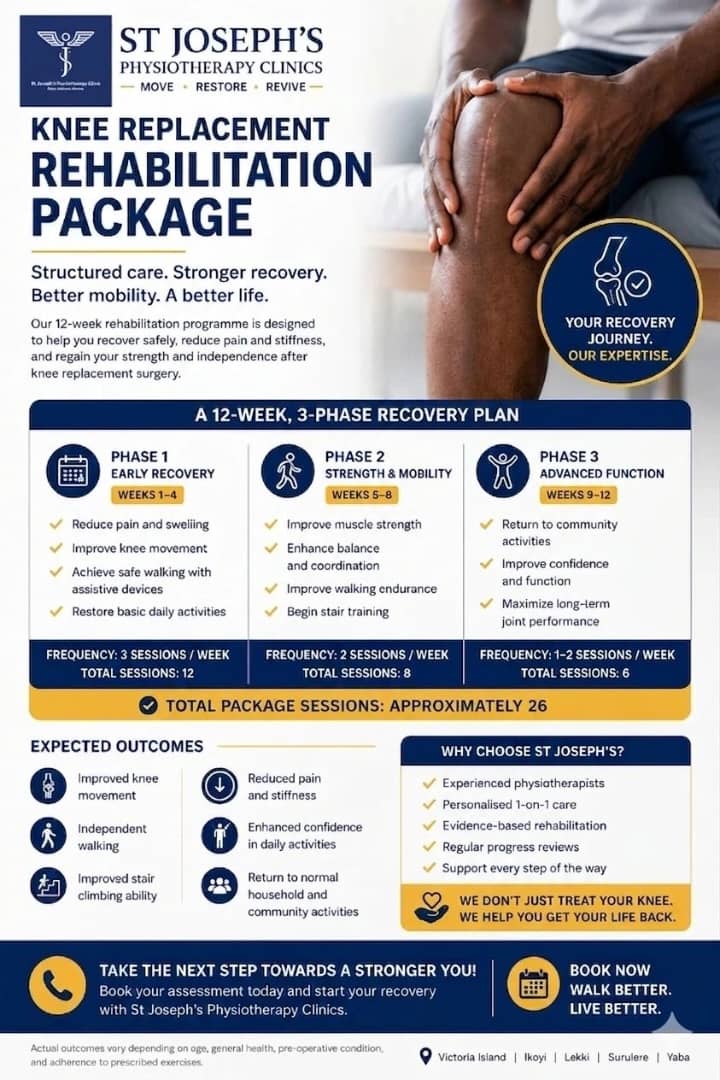
Complete Knee Replacement Rehabilitation Package in Lagos
Knee replacement surgery is a major step toward pain relief and improved mo…

NAMDA threatens strike over unpaid medical lecturers’ allowances
The Nigerian Association of Medical and Dental Academics (NAMDA) has warned…

Resident Doctors Signal End to Strike Threat After High-Level Talks with Gbajabiamila
The threat of a nationwide indefinite strike by the Nigerian Association of…
