It’s a well-known fact that high salt intake increases blood pressure, resulting in greater risk for heart and kidney problems. But a new study has added another twist: low salt intake may be just as harmful. The study published in The Lancet, found that low salt, or sodium, intake may raise the risk of heart attack, stroke, and death, compared with an average salt intake. Lead author Andrew Mente, of the Michael G. DeGroote School of Medicine at McMaster University in Canada, and colleagues say their results indicate only people with high blood pressure (hypertension) who have a high salt intake should reduce their salt consumption. Furthermore, the researchers suggest current recommendations for daily salt consumption may be set too low. The Dietary Guidelines recommend less than 2,300 milligrams of sodium each day – equivalent to 1 teaspoon of salt.
The team analyzed data of more than 130,000 individuals spanning 49 countries. They looked at the sodium intake of participants and how this related to the risk of heart disease and stroke among those with and without high blood pressure. Compared with people who had an average sodium intake, the rates of heart attack, stroke, and death were higher among those who had a low sodium intake, regardless of whether participants had high blood pressure. Interestingly, low salt intake in the study was defined as an intake of less than 3,000 milligrams a day, which is above current recommendations. Furthermore, the researchers found that only individuals with high blood pressure appeared to be subject to the risks associated with high salt intake – defined as more than 6,000 milligrams daily. Mente says the team’s findings are “extremely important” for individuals with high blood pressure.
“While our data highlights the importance of reducing high salt intake in people with hypertension, it does not support reducing salt intake to low levels.
 Our findings are important because they show that lowering sodium is best targeted at those with hypertension who also consume high sodium diets”, Andrew Mente “This study adds to our understanding of the relationship between salt intake and health, and questions the appropriateness of current guidelines that recommend low sodium intake in the entire population. An approach that recommends salt in moderation, particularly focused on those with hypertension, appears more in-line with current evidence,” says study co-author Martin O’Donnell, of Mc- Master University and the National University of Ireland Galway.
 Despite the fact that our bodies need salt, another study has warned that excess salt intake may also lead to liver damage in adults and developing embryos. The new study, led by Jinan University in Guangzhou, China, is published in the Journal of Agricultural and Food Chemistry. Previous studies have already suggested that too much sodium can damage the liver. In the new study, the researchers wanted to look in more detail at what happens at the level of cells.
The team carried out experiments where they fed adult mice on a high-salt diet and exposed chick embryos to a salty environment. The results showed that too much sodium led to a number of changes in the liver – such as misshapen cells, higher rates of cell death and lower rates of cell division – all of which can lead to liver fibrosis. Liver fibrosis occurs when there is excessive accumulation of “extracellular matrix” proteins like collagen that support the cells that do the work of the liver – such as breaking down old and damaged cells and metabolizing fats for energy. The researchers suggest the mechanism through which too much salt may cause liver damage and fibrosis in both adults and developing embryos is through oxidative stress. Oxidative stress is where the balance between the production of reactive oxygen species (free radicals) and antioxidants is upset in favor of the former. Such an imbalance can increase inflammatory cells and promote the death of liver cells, leading to progressive fibrosis. However, on a more promising note, the team also found that treating damaged cells with vitamin C – an antioxidant – appeared to counter some of the damage brought on by too much salt. Although our bodies need salt – the chemical name for which is sodium chloride – to carry out essential functions, the researchers warn that most of the salt we eat comes from processed foods and foods prepared in restaurants, hence the need to limit intake.
By: Franka Osakwe
National Mirror News
ABUJA: Training Schedule for Basic Life Support BLS, Pediatric Advanced Life Support (PALS), Advanced Cardiovascular Life Support ACLS, First Aid, CPR, AED
PORTHARCOURT: Training Schedule for Basic Life Support BLS, Pediatric Advanced Life Support (PALS), Advanced Cardiovascular Life Support ACLS, First Aid, CPR, AED
LAGOS: Training Schedule for Basic Life Support BLS, Pediatric Advanced Life Support (PALS), Advanced Cardiovascular Life Support ACLS, First Aid, CPR, AED
STOP paying for airtime and electricity, Let your phone pay its bills with ScreenT
You may also like
Comrade Lemii Christian Emerges Chairman of NANNM Rivers State Branch in Historic Victory
PORT HARCOURT, NIGERIA Following the long awaited National Association of N…

FG Supports Robotic Surgery Expansion to Reduce Medical Tourism
Nigeria is taking another step toward strengthening specialised healthcare …
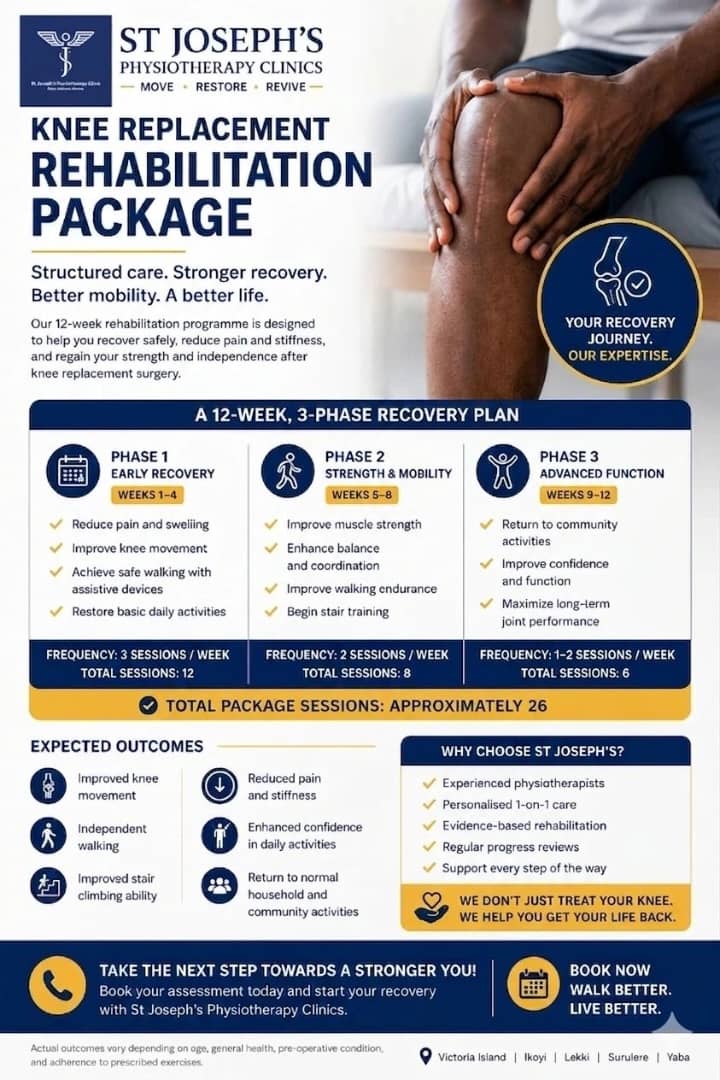
Complete Knee Replacement Rehabilitation Package in Lagos
Knee replacement surgery is a major step toward pain relief and improved mo…
NAMDA threatens strike over unpaid medical lecturers’ allowances
The Nigerian Association of Medical and Dental Academics (NAMDA) has warned…
Resident Doctors Signal End to Strike Threat After High-Level Talks with Gbajabiamila
The threat of a nationwide indefinite strike by the Nigerian Association of…
