’Older’ blood is just as safe for heart patients as transfusions of fresher blood, a new study shows.
Researchers in Sweden found that heart surgery patients given blood stored for more than six weeks faced no greater harm than those who got blood donated within the previous two weeks.
“Prior studies had reported that patients who undergo heart surgery and are transfused with blood stored for more than two weeks have worse survival and more complications than patients who are transfused with fresh blood,” said study author Dr. Ulrik Sartipy, an associate professor in the department of molecular medicine and surgery at the Karolinska Institute in Stockholm.
However, “In our study, which is by far the biggest of its kind, including all heart surgery patients in all of Sweden over a 16-year period, we find no evidence that prolonged storage of blood units has negative effects on patient survival or risk of complications,” Sartipy said.
 The findings appear in a research letter published in the Oct. 20 issue of Journal of the American Medical Association.
 Blood transfusions are a common and relatively safe feature of modern health care, according to the U.S. National Heart, Lung, and Blood Institute. While roughly 5 million Americans get a transfusion every year, serious complications are considered rare.
But in 2008 a widely publicized study argued that transfusion of blood stored for two weeks or more could jeopardize heart surgery patients.
That report called into question the storage practices of most developed nations, which typically allow blood storage for six weeks or more, the Swedish researchers said in background notes.
Hoping to resolve the issue, Sartipy’s team focused on more than 47,000 heart surgeries performed in Swedish hospitals between 1997 and 2012. Procedures involved either arterial bypass surgery, heart valve surgery or both.
The patients were about age 70, on average, and information on their outcomes came from a national heart surgery registry and a national blood transfusion database. Nearly 40 percent were women.
A little more than one-third were transfused with red blood stored for less than two weeks. Roughly one-quarter got two- to four-week-old blood, while nearly one in 10 received blood stored between four and six weeks. More than one-quarter received blood of various ages.
After looking at the risk for post-surgical complications or death at one month, two years and 10 years out, the team determined that older blood posed no greater risk to heart patients than fresher blood.
Source: Daily Trust News
ABUJA: Training Schedule for Basic Life Support BLS, Pediatric Advanced Life Support (PALS), Advanced Cardiovascular Life Support ACLS, First Aid, CPR, AED
PORTHARCOURT: Training Schedule for Basic Life Support BLS, Pediatric Advanced Life Support (PALS), Advanced Cardiovascular Life Support ACLS, First Aid, CPR, AED
LAGOS: Training Schedule for Basic Life Support BLS, Pediatric Advanced Life Support (PALS), Advanced Cardiovascular Life Support ACLS, First Aid, CPR, AED
STOP paying for airtime and electricity, Let your phone pay its bills with ScreenT
You may also like

Comrade Lemii Christian Emerges Chairman of NANNM Rivers State Branch in Historic Victory
PORT HARCOURT, NIGERIA Following the long awaited National Association of N…

FG Supports Robotic Surgery Expansion to Reduce Medical Tourism
Nigeria is taking another step toward strengthening specialised healthcare …
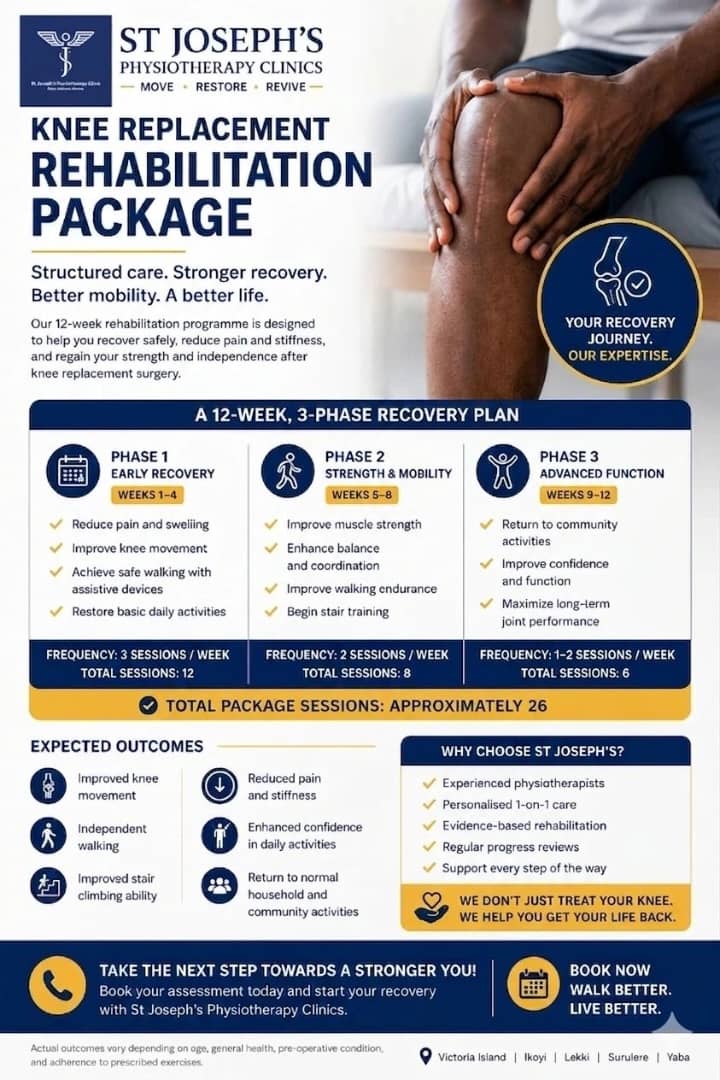
Complete Knee Replacement Rehabilitation Package in Lagos
Knee replacement surgery is a major step toward pain relief and improved mo…

NAMDA threatens strike over unpaid medical lecturers’ allowances
The Nigerian Association of Medical and Dental Academics (NAMDA) has warned…

Resident Doctors Signal End to Strike Threat After High-Level Talks with Gbajabiamila
The threat of a nationwide indefinite strike by the Nigerian Association of…