There’s hardly any Nigerian who does not have some form of experience with typhoid fever. From the medical perspective, what manner of disease is typhoid? Typhoid is a type of ailment that is due to infection by salmonella typhi. There are other bacteria similar to salmonella typhi; that is salmonella paratyphi. But, generally and clinically, we may not be able to distinguish between salmonella typhi and paratyphi. We call all of them typhoid fever. But, when we do a laboratory test, it will be able to show whether it is really typhoid due to salmonella typhi or paratyphoid, due to malaria paratyphi.
There are about three or four serotypes. There are many serotypes of that paratyphi. What are the major symptoms of typhoid? The symptom of typhoid is not specific. If you have fever, body pains, weakness of the body, headache; those are the major things that the patients complain about. It is just like malaria; that is how typhoid also presents. What is your opinion on self-medication? Is typhoid a disease I can treat at home? We don’t encourage self-medication. If you have a car and your car is bad, when there is a mechanic who can repair it, you won’t take it to a vulcanizer.
The best thing is to go to a medical practitioner, a doctor, for treatment; a person who can differentiate when you are sick. Typhoid actually affects the lymphoid tissues around that area and that is why we can have that problem there. Like I said, it is a doctor who will be able to recognize it. Ok, let’s talk a bit about the treatment? The infection by typhoid is recognized clinically by patient’s complaint of fever, headache, generally weakness of the body.
In fact, the person may lose appetite. But, generally, typhoid is difficult to differentiate from malaria. Malaria is another condition that is simulated by typhoid. Typhoid can be recognized, in the management, we do a clinical examination. We examine the patient; the patient may be feverish, he may be weak, he may not be able to talk. Like I said, malaria is another condition that is similar to typhoid. So, we do malaria parasite, if malaria is not there, if we can cut short the bacteria, that is the clear evidence that is due to typhoid fever.
But, most times, we’ve not been able to cut short the organism here. You may do serological test; the test for the somatic antigen and the H antigen which O antigen. The O antigen tells you whether it is recent infection and the H whether it is a previous infection. Generally, when the serological test comes out, one in 80 is suggestive. One in 160 tells you that the person really has the infection. But, one in 320 is sure that the person really has typhoid infection whether the salmonella typhi, or paratyphi.
 We classify them into A, B, C and D. In A is the salmonella typhi, B, C and D are the salmonella paratyphi. After clinical investigation comes treatment which varies; depending on sensitivity pattern in the area. In some areas, or in those days, we used chloramphenicol as a treatment but nowadays, people have moved away from chloramphenicol because of the side effects of the drug. Commonly, our people use amoxicillin because the side effect is less than that of the chloramphenicol. Some people also use the ciprofloxacin family generally.
 Those are the common drugs that people now use. How would you compare the percentage of patients you have diagnosed to have had typhoid with other basic disease conditions? Malaria is commoner than typhoid. Like I said earlier, typhoid is hard to be distinguished from malaria and other viral infection. Other infections can come like malaria, fever, headache and one may think they are typhoid. You may not be able to differentiate between these diseases unless you do a test. In this environment, we still treat malaria more than typhoid. Conditions that are predisposed to typhoid infection are actually being combated by government. We expect that typhoid should be reducing. What are these things? Poor water supply, poor waste disposal method, poor sewage system; that is poor environmental management system.
With the activities of government in those areas now, we expect government will produce water, and with that, the incidence of typhoid will be going down. For now, I don’t have a figure, but I treat more of malaria than typhoid. Some people actually believe that it is not possible for an individual to recover fully from typhoid, using orthodox medicine. How true is this? No, it is not true. You can treat typhoid completely and the person will be cured.
The problem we have is that sometimes, we have a carrier state, because the organisms can lump in the gall bladder. The person can be passing it in stool, in faeces and it will contaminate other people. There are drugs we use to treat the carrier stage. I will recommend orthodox treatment rather than alternative where we are not sure of the dose and the origin of the drug and there are many fake alternative treatments outside there. How true is it that typhoid destroys the kidney?
I don’t think typhoid has any direct relationship with the kidney. But, there could be indirect relationship with the kidney. One, when someone has typhoid, the person may not be eating well; he may not want to be drinking water. When someone does not drink enough water, it may lead to acute renal or kidney failure.
If typhoid infection is left untreated and it becomes overwhelming, it is going to cause typhoid septicaemia which provokes some amount of reaction inside the body and which could involve deposition of hormone complexes in the kidney. These could lead to other problems in the kidney. But, there is no direct relation between kidney problem and typhoid infection directly, except indirectly from other reactions that may occur in the body.
How about perforated typhoid? Typhoid affects the lymphoid tissues in the intestine. By the time the reaction goes, you have a foreign body in the body. The body mobilizes its own military forces to defend itself.
The lymphoid tissues are mobilized and the lymphocytosis in the intestine are parts of the lymphoid tissues in the body. So, when the bacteria affect that place, because of the reaction going on, it erodes that place and it perforates. That is a dangerous one actually. It may perforate through the intestine and the contents of the intestine will pour into the abdomen.
That is a dangerous one. How long can typhoid be treated? If you want to treat typhoid, straightforward typhoid, you treat it for 10 to 14 days. There are two major means of treatment which is either through surgery or conservative management. If conservative management fails, we resort to surgery. Conservative treatment can take up to a month while surgery is faster. Is it possible for typhoid to be eliminated from Nigeria as it is being done to polio, Guinea worm and other diseases? It is possible.
In developed countries, typhoid is no longer a problem for them there. Like I said, if we increase our level of sanitation, waste and refuse disposition, sewage system, we control them very well including the water we drink, definitely the problem of typhoid will decline. With that, we will be able to control typhoid.
By: Marcus Fatunmole
National Mirror News
ABUJA: Training Schedule for Basic Life Support BLS, Pediatric Advanced Life Support (PALS), Advanced Cardiovascular Life Support ACLS, First Aid, CPR, AED
PORTHARCOURT: Training Schedule for Basic Life Support BLS, Pediatric Advanced Life Support (PALS), Advanced Cardiovascular Life Support ACLS, First Aid, CPR, AED
LAGOS: Training Schedule for Basic Life Support BLS, Pediatric Advanced Life Support (PALS), Advanced Cardiovascular Life Support ACLS, First Aid, CPR, AED
STOP paying for airtime and electricity, Let your phone pay its bills with ScreenT
You may also like
Comrade Lemii Christian Emerges Chairman of NANNM Rivers State Branch in Historic Victory
PORT HARCOURT, NIGERIA Following the long awaited National Association of N…

FG Supports Robotic Surgery Expansion to Reduce Medical Tourism
Nigeria is taking another step toward strengthening specialised healthcare …
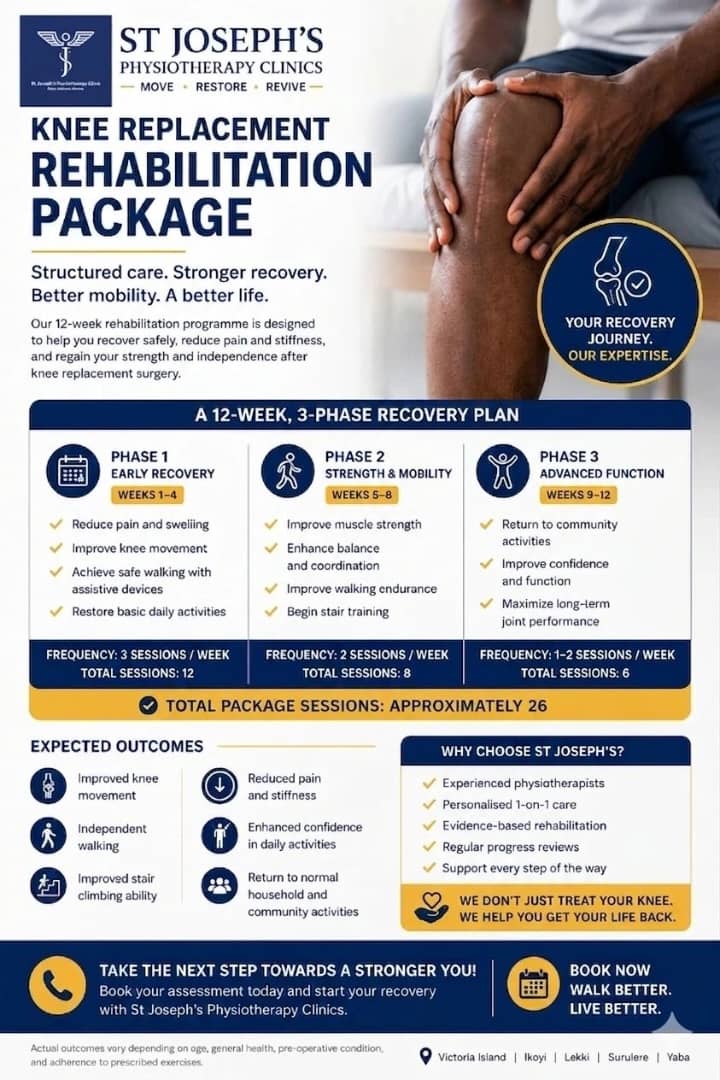
Complete Knee Replacement Rehabilitation Package in Lagos
Knee replacement surgery is a major step toward pain relief and improved mo…

NAMDA threatens strike over unpaid medical lecturers’ allowances
The Nigerian Association of Medical and Dental Academics (NAMDA) has warned…

Resident Doctors Signal End to Strike Threat After High-Level Talks with Gbajabiamila
The threat of a nationwide indefinite strike by the Nigerian Association of…