. Landmark drug to stop Alzheimer's disease has been unveiled today
. Solanezumab has been shown to slow or even halt the illness
. Alzheimer's and other forms of dementia affect more millions
. Announcement was made at a major US conference
The treatment of Alzheimer's disease took a major step forward today after scientists unveiled a drug that slows the progression of the disease. Alzheimer's and other forms of dementia affect more than 40 million people around the world. This number will increase to an estimated 75.6 million in 2030 as the population continues to age.
Existing drugs simply address the symptoms. And their failure to deal with the underlying causes means that they quickly wear off, and the disease soon takes its devastating course.
In contrast, the experimental drug solanezumab tackles beta amyloid, the toxic protein that clogs the brain in Alzheimer's, destroying vital connections between cells. Hopes about solanezumab were dashed three years ago, when a large-scale trial appeared to show it was ineffective.
However, close analysis suggested there were some benefits if taken at a very early stage of the disease. Patients with mild symptoms continued taking the drug for another two years, and US pharmaceutical giant Eli Lilly, today unveiled highly anticipated trial results. Patients with mild Alzheimer's disease who took solanezumab early in the course of their disease preserved more of their cognitive and functional ability, the company said.
The research, presented today at the Alzheimer's Association International conference, revealed the the promising results of studies into the use of solanezumab. Results suggest that if given to patients early enough, the antibody therapy will be able to slow cognitive decline. Specifically, long-term analysis found that people with mild Alzheimer's disease, who have taken the drug for 3.5 years, show some benefits in cognition compared to those who have only taken it for two years.
The discovery was announced at the Alzheimer's Association International conference in Washington DC, USA, which saw studies of three alternative antibody therapies presented.
Another drug, called aducanumab, was trialled in people with very early stage Alzheimer's disease. Interim results from a safety study found the drug reduces the amount of the amyloid plaques in the brain, with an increasing effect as the dose increases. However more than a quarter of people on the higher dose experienced headaches and a third to a half experienced abnormalities on a brain scan.
Alzheimer's Society's head of research, Dr Doug Brown, said: 'Today's findings strongly suggest that targeting people in the earliest stages of Alzheimer's disease with these antibody treatments is the best way to slow or stop Alzheimer's disease.
'These drugs are able to reduce the sticky plaques of amyloid that build up in the brain, and now we have seen the first hints that doing this early enough may slow disease progression.'After a decade of no new therapies for dementia, today's news is an exciting step forward.
THE GROWING GLOBAL BURDEN OF DEMENTIA REVEALED
As of 2013, there were an estimated 44.4 million people with dementia worldwide. This number will increase to an estimated 75.6 million in 2030, and 135.5 million in 2050. Much of the increase will be in developing countries. Already 62 per cent of people with dementia live in developing countries, but by 2050 this will rise to 71 per cent. The fastest growth in the elderly population is taking place in China, India, and their south Asian and western Pacific neighbours.
Source: Alzheimer's Disease International
'We will have to wait for the ongoing trials to finish to know the full risks and benefits of these drugs. 'If they are positive, these drugs will be the first identified to directly interfere with the disease process and slow the progression of Alzheimer's.'
Referring to aducanumab, he warned that although the results leaned towards a treatment that could slow the disease, the drug was not without side effects. In relation to solanezumab, Dr Brown added: 'It's good news that some people have been receiving the antibody for over three years and it appears to be having beneficial effects.
'The current trial has finished recruiting participants, so in just 18 months we may get an exciting first look at the final results.' Eric Karran, of the charity Alzheimer's Research UK, said: 'Current treatments only help with symptoms. 'They enable nerve cells to communicate with each other more effectively, but don't stop the underlying disease from getting worse. 'Eventually, the effect ... wears off as the damage to the brain overwhelms the modest benefit afforded by the drugs.'
By ANNA HODGEKISS and FIONA MACRAE
Dailymail & Mailonline
ABUJA: Training Schedule for Basic Life Support BLS, Pediatric Advanced Life Support (PALS), Advanced Cardiovascular Life Support ACLS, First Aid, CPR, AED
PORTHARCOURT: Training Schedule for Basic Life Support BLS, Pediatric Advanced Life Support (PALS), Advanced Cardiovascular Life Support ACLS, First Aid, CPR, AED
LAGOS: Training Schedule for Basic Life Support BLS, Pediatric Advanced Life Support (PALS), Advanced Cardiovascular Life Support ACLS, First Aid, CPR, AED
STOP paying for airtime and electricity, Let your phone pay its bills with ScreenT
You may also like

Comrade Lemii Christian Emerges Chairman of NANNM Rivers State Branch in Historic Victory
PORT HARCOURT, NIGERIA Following the long awaited National Association of N…

FG Supports Robotic Surgery Expansion to Reduce Medical Tourism
Nigeria is taking another step toward strengthening specialised healthcare …
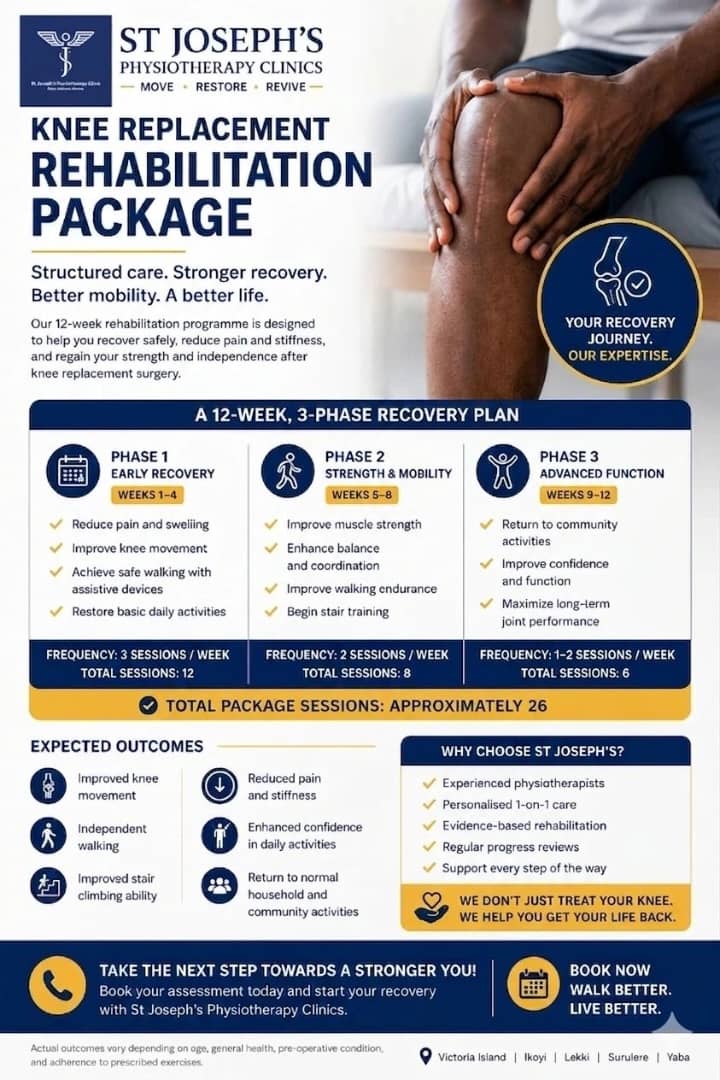
Complete Knee Replacement Rehabilitation Package in Lagos
Knee replacement surgery is a major step toward pain relief and improved mo…

NAMDA threatens strike over unpaid medical lecturers’ allowances
The Nigerian Association of Medical and Dental Academics (NAMDA) has warned…

Resident Doctors Signal End to Strike Threat After High-Level Talks with Gbajabiamila
The threat of a nationwide indefinite strike by the Nigerian Association of…