New Global Burden of Disease study has revealed that income, education, and birth rates – while critical – are not the only keys to healthy living in 195 countries. Nigerians are living longer lives than they were 25 years ago, according to the new scientific analysis of more than 300 diseases and injuries in 195 countries. However, such progress is threatened by increasing numbers of people suffering from serious health challenges related to childhood wasting, unsafe water sources, and unsafe sex.
These and other cant health findings are published in ‘The Lancet’ as part of the Global Burden of Diseases, Injuries, and Risk Factors Study (GBD). The study draws on the work of more than 1,800 collaborators in nearly 130 countries and territories. “Despite the limitations of the data sources that formed the basis of these estimates in Nigeria, as with many developing countries, the analytical techniques and the key findings are sufficiently robust,” said Dr. Bolajoko Olusanya, Executive Director at the Centre for Healthy Start Initiative and a GBD collaborator.
.jpg) “This should inspire optimism if appropriate and timely interventions are put in place by the government and its developmental partners to accelerate health progress and the well-being of Nigerians.” In Nigeria, malaria was the leading killer, resulting in 192,284 deaths in 2015. The second and third top causes of death were diarrhoeal diseases and HIV/AIDS, killing 143,689 and 131,873, respectively. But the conditions that kill are not typically those that make people sick in Nigeria. In 2015, the top three nonfatal causes of health loss were irondeficiency anaemia, low back pain, and major depression.
“This should inspire optimism if appropriate and timely interventions are put in place by the government and its developmental partners to accelerate health progress and the well-being of Nigerians.” In Nigeria, malaria was the leading killer, resulting in 192,284 deaths in 2015. The second and third top causes of death were diarrhoeal diseases and HIV/AIDS, killing 143,689 and 131,873, respectively. But the conditions that kill are not typically those that make people sick in Nigeria. In 2015, the top three nonfatal causes of health loss were irondeficiency anaemia, low back pain, and major depression. Globally, life expectancy increased from about 62 years to nearly 72 from 1980 to 2015, with several nations in sub-Saharan Africa rebounding from high death rates due to HIV/AIDS. Child deaths are falling fast, as are illnesses related to infectious diseases. But each country has its own specific challenges and improvements, from fewer suicides in France, to lower death rates on Nigerian roadways, to a reduction in asthma-related deaths in Indonesia.
In much of the world, giving birth is safer for mothers and newborns than it has been over the past 25 years. The number of maternal deaths globally dropped by roughly 29 per cent since 1990, and the ratio of maternal deaths fell 30 per cent, from 282 per 100,000 live births in 1990 to 196 in 2015.
“Development drives, but does not determine health,” said Dr. Christopher Murray, Director of the Institute for Health Metrics and Evaluation (IHME) at the University of Washington in Seattle, the coordinating center for the GBD enterprise. “We see countries that have improved far faster than can be explained by income, education, or fertility. And we also continue to see countries – including the United States, U.S, – that are far less healthy than they should be given their resources.”
By: Appolonia Adeyemi
New Telegraph
ABUJA: Training Schedule for Basic Life Support BLS, Pediatric Advanced Life Support (PALS), Advanced Cardiovascular Life Support ACLS, First Aid, CPR, AED
PORTHARCOURT: Training Schedule for Basic Life Support BLS, Pediatric Advanced Life Support (PALS), Advanced Cardiovascular Life Support ACLS, First Aid, CPR, AED
LAGOS: Training Schedule for Basic Life Support BLS, Pediatric Advanced Life Support (PALS), Advanced Cardiovascular Life Support ACLS, First Aid, CPR, AED
STOP paying for airtime and electricity, Let your phone pay its bills with ScreenT
You may also like
Comrade Lemii Christian Emerges Chairman of NANNM Rivers State Branch in Historic Victory
PORT HARCOURT, NIGERIA Following the long awaited National Association of N…

FG Supports Robotic Surgery Expansion to Reduce Medical Tourism
Nigeria is taking another step toward strengthening specialised healthcare …
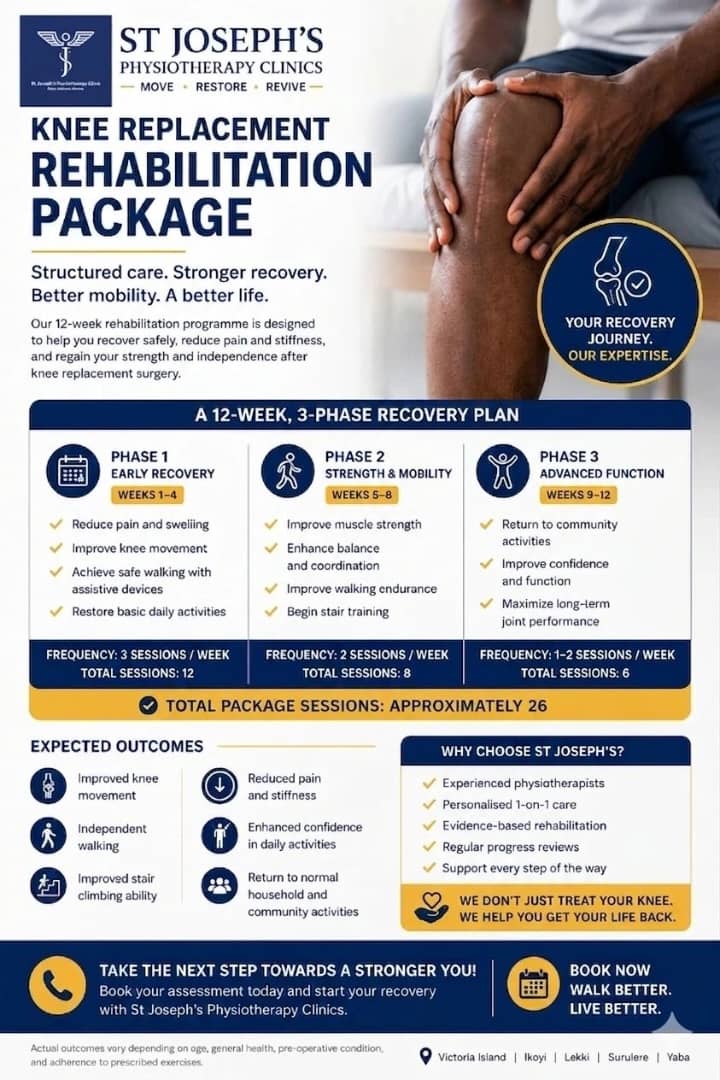
Complete Knee Replacement Rehabilitation Package in Lagos
Knee replacement surgery is a major step toward pain relief and improved mo…

NAMDA threatens strike over unpaid medical lecturers’ allowances
The Nigerian Association of Medical and Dental Academics (NAMDA) has warned…

Resident Doctors Signal End to Strike Threat After High-Level Talks with Gbajabiamila
The threat of a nationwide indefinite strike by the Nigerian Association of…
