Five states in northern Nigeria may lose 70,000 children to malnutrition this year if urgent actions are not taken by government, parents and other stakeholders working on nutrition to save the children.
A group of experts from federal and state governments, development partners, civil society and academia announced in Abuja recently that states affected are Katsina, Kebbi, Jigawa, Yobe, and Zamfara. Out of the affected states, only Yobe has been ravaged by insurgency, meaning the remaining four states have enjoyed peaceful atmosphere enough to enable parents cater for their children.
The prediction was sequel to a research carried out by the Working to Improve Nutrition in Northern Nigeria,WINNN, The WINNN program, implemented by Nigerian government with support from United Nations Children Fund, UNICEF, Save the Children and Action Against Hunger, is funded by UK Department for International Development, DFID, and works in three local government areas in each of the five states.
 Speaking at the event, International Team Leader, Operation Research and Impact Evaluation, ORIE (the organization funding the project through DFID) Prof. Andrew Thomkins, said the research showed that as a result of malnutrition, 58 per cent of children under-five in the five states suffer from stunting, meaning their physical and mental development have been impaired. An estimated 370,000 children with severe acute malnutrition in these states will require lifesaving treatment this year.
 Without such treatment, some 70,000 of those children are likely to die, the research revealed. He stressed that while treatment for severe malnutrition remains essential and has been the focus of state governments’ activities, increased attention should be paid to prevention.
The research confirmed that many mothers do not understand the importance of exclusive breastfeeding and that even giving water to a baby under six months old can lead to illnesses and malnutrition. The WINNN group of experts recommended increasing activities to prevent malnutrition such as encouraging women to attend health facilities for antenatal and postnatal care where they can be given guidance on how to best feed their children, especially the most vulnerable children under two years old.”
By: Marcus Fatunmole
National Mirror News
ABUJA: Training Schedule for Basic Life Support BLS, Pediatric Advanced Life Support (PALS), Advanced Cardiovascular Life Support ACLS, First Aid, CPR, AED
PORTHARCOURT: Training Schedule for Basic Life Support BLS, Pediatric Advanced Life Support (PALS), Advanced Cardiovascular Life Support ACLS, First Aid, CPR, AED
LAGOS: Training Schedule for Basic Life Support BLS, Pediatric Advanced Life Support (PALS), Advanced Cardiovascular Life Support ACLS, First Aid, CPR, AED
STOP paying for airtime and electricity, Let your phone pay its bills with ScreenT
You may also like
Comrade Lemii Christian Emerges Chairman of NANNM Rivers State Branch in Historic Victory
PORT HARCOURT, NIGERIA Following the long awaited National Association of N…

FG Supports Robotic Surgery Expansion to Reduce Medical Tourism
Nigeria is taking another step toward strengthening specialised healthcare …
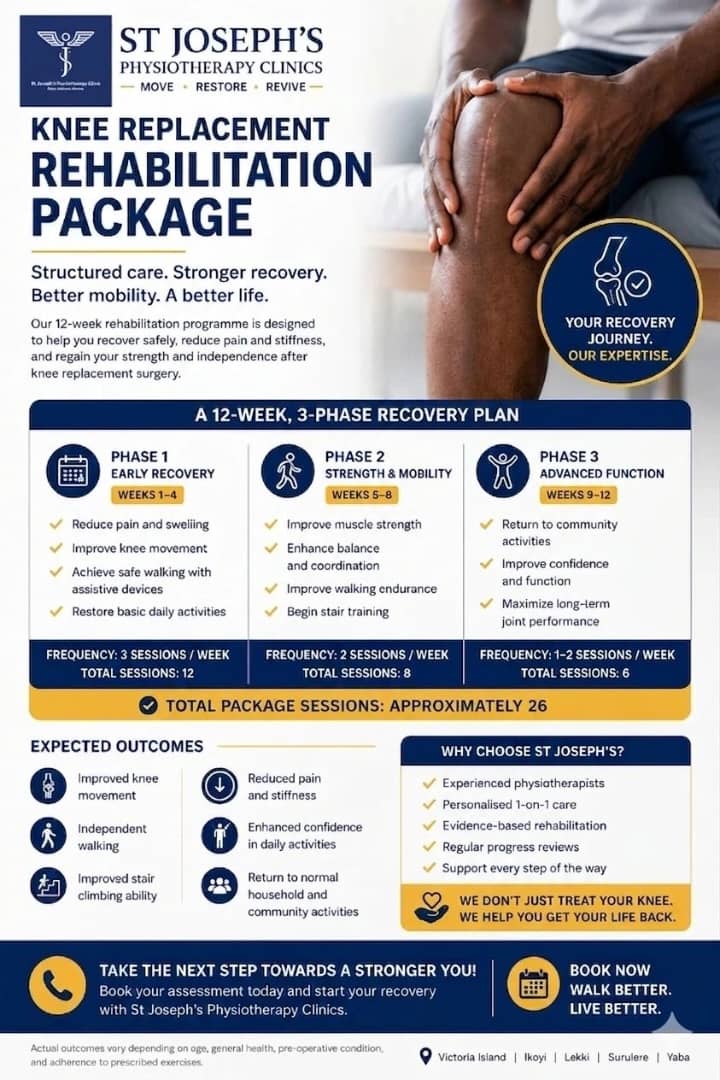
Complete Knee Replacement Rehabilitation Package in Lagos
Knee replacement surgery is a major step toward pain relief and improved mo…

NAMDA threatens strike over unpaid medical lecturers’ allowances
The Nigerian Association of Medical and Dental Academics (NAMDA) has warned…

Resident Doctors Signal End to Strike Threat After High-Level Talks with Gbajabiamila
The threat of a nationwide indefinite strike by the Nigerian Association of…