As the world signals the end of the Millennium Development Goals, MDGs, commitment period and the start of SDGs, all pointers have shown that Nigeria is making empty promises without actions to the commitment to reduce maternal death in the country. In the Millennium Development Goals Report 2014, India has an estimated 50,000 maternal deaths (17 per cent), and Nigeria, with an estimated 40,000 maternal deaths (14 per cent).
Also the World Health Organisation’s 2014 report on maternal mortality states that Nigeria’s MMR is 560 deaths per 100,000 live births. Although the MMR decreased between 1990 and 2013, from 1200 to 560 per 100 000 live births, less than 20 per cent of health facilities offer emergency obstetric care and only 35 per cent of deliveries are attended by skilled birth attendants.
Report: A fact finding report entitled: “Broken Promises: Human Rights, Accountability, and Maternal Death in Nigeria” by the Women Advocates’ Research & Documentation Centre, WARDC, shows despite knowledge that Nigerian government has repeatedly identified maternal mortality and morbidity as a pressing problem and developed laws and policies in response, these actions have not yet translated into significant improvement in maternal health throughout the country.
Today, Nigeria is a signatory to conventions such as CEDAW which recognises the fact that maternal health is a human right and the Maputo Protocol Art 14 on health and reproductive health.
Abuja declaration
Nigeria also pledged to the 2001 Abuja declaration where the Government pledged to have government funding for the health sector at 15 percent. Nigeria endorsed the Global Strategy for Women’s and Children are Health and is implementing related interventions through its national and state health sector plans and strategies. Despite these promises, the current average government budget allocation to health is 5 percent.
Analysing these commitments at a Media Forum on Maternal Health Accountability in Lagos, Executive Director, WARDC, Dr. Abiola Akiyode-Afolabi, noted that Nigeria was still far from addressing maternal deaths in Nigeria.

Nigeria’s constitution spells out that government should ensure adequate medical and health facilities for all persons, and although Nigeria has committed to fully funding its health programme at $31.63 per capita through increasing budgetary allocation to as much as 15 percent from an average of 5 percent by the Federal, States and Local Government Areas by 2015 and increase the number of core services providers including Community Health Extension Workers and midwives, all are but promises with no funds.
Midwives Service Scheme: According to her, Nigeria’s Midwives Service Scheme, MSS, and the Saving One Million Lives has failed still to deliver healthcare to the majority of women and children, largely because of inadequate funding and resources, poor management, inequitable implementation and lack of transparency and accountability.
In her lecture titled “Improving maternal health accountability in Nigeria: issues, challenges and prospects” at the 6th quarterly Civil Society Organisation Media Forum, Akiyode- Afolabi blamed part of the problems on lack of an all-encompassing national health policy.
“Maternal health is not viewed as human right were people understand accountability. Also the limited and sometimes unreliable data available on maternal health makes it hard to hold duty bearers to account. There are no transparency in the budget execution and no budget audit of spending on maternal health,” she added.
Also in her lecture, Improving Access to Maternal Health in Nigeria: Challenges and Best Practices” Former Chairman, Lagos State Primary Healthcare Board, Dr Olayinka Abosede stressed mothers must adopt healthy lifestyles and have access to good health services, positing that the future generations need our decision for change in order for them to enjoy a safer, healthier and more comfortable world
By Chioma Obinna
Vanguard
ABUJA: Training Schedule for Basic Life Support BLS, Pediatric Advanced Life Support (PALS), Advanced Cardiovascular Life Support ACLS, First Aid, CPR, AED
PORTHARCOURT: Training Schedule for Basic Life Support BLS, Pediatric Advanced Life Support (PALS), Advanced Cardiovascular Life Support ACLS, First Aid, CPR, AED
LAGOS: Training Schedule for Basic Life Support BLS, Pediatric Advanced Life Support (PALS), Advanced Cardiovascular Life Support ACLS, First Aid, CPR, AED
STOP paying for airtime and electricity, Let your phone pay its bills with ScreenT
You may also like
Comrade Lemii Christian Emerges Chairman of NANNM Rivers State Branch in Historic Victory
PORT HARCOURT, NIGERIA Following the long awaited National Association of N…

FG Supports Robotic Surgery Expansion to Reduce Medical Tourism
Nigeria is taking another step toward strengthening specialised healthcare …
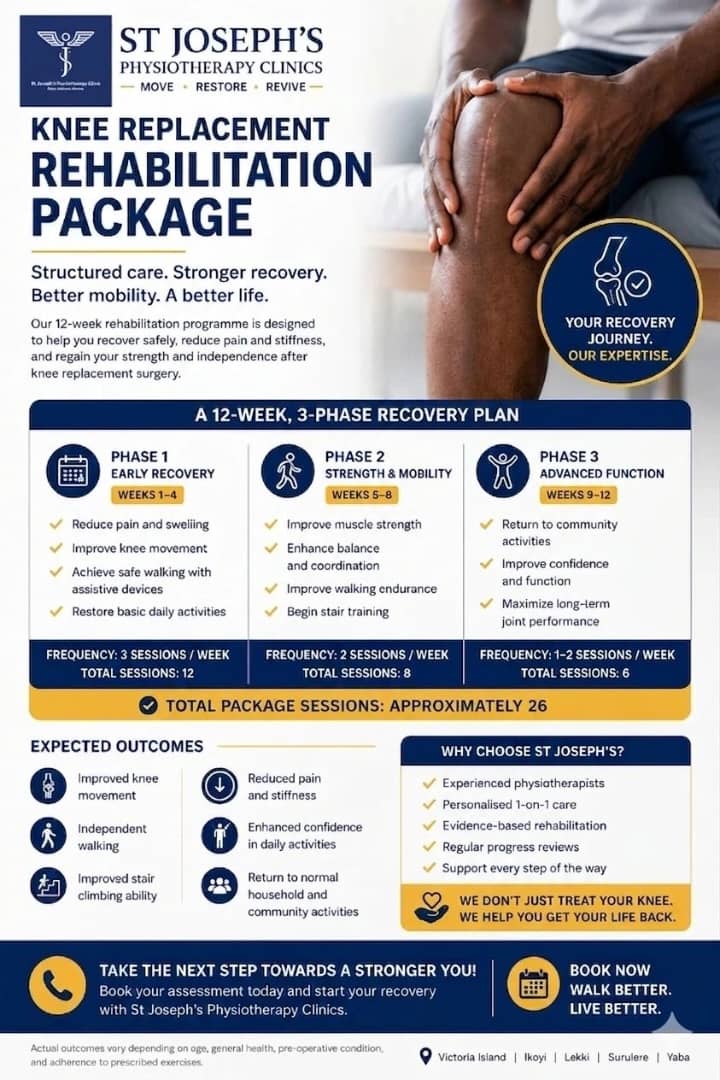
Complete Knee Replacement Rehabilitation Package in Lagos
Knee replacement surgery is a major step toward pain relief and improved mo…

NAMDA threatens strike over unpaid medical lecturers’ allowances
The Nigerian Association of Medical and Dental Academics (NAMDA) has warned…

Resident Doctors Signal End to Strike Threat After High-Level Talks with Gbajabiamila
The threat of a nationwide indefinite strike by the Nigerian Association of…