Health care workers often contaminate their skin and clothing when they remove their medical gowns and gloves, new research suggests.
For the study, workers at four Ohio hospitals simulated gown and glove removal. Additional health care workers from a separate facility participated in a program that included education and practice of removing contaminated gowns and gloves.
 The health care workers simulated 435 gown and glove removals. The researchers used a fluorescent lotion to determine "contamination." Skin or clothing got contaminated 46 percent of the time, the investigators found.
 But, the education and practice program led to a significant drop in the contamination rate -- from 60 percent to about 19 percent, the findings showed.
This improvement lasted even when health care workers were retested after one and three months, Dr. Curtis Donskey, of the Cleveland Veterans Affairs Medical Center, and colleagues reported in the study published in the Oct. 12 issue of JAMA Internal Medicine.
The study findings highlight the urgent need to come up with ways to reduce the risk of contamination, Donskey said in a journal news release.
It’s also important to figure out better ways to train people in how to best remove these items, Donskey’s team said. And, ideally, the design of protective clothing should be improved to reduce the risk of contamination, the study authors suggested.
Source Daily Trust News
ABUJA: Training Schedule for Basic Life Support BLS, Pediatric Advanced Life Support (PALS), Advanced Cardiovascular Life Support ACLS, First Aid, CPR, AED
PORTHARCOURT: Training Schedule for Basic Life Support BLS, Pediatric Advanced Life Support (PALS), Advanced Cardiovascular Life Support ACLS, First Aid, CPR, AED
LAGOS: Training Schedule for Basic Life Support BLS, Pediatric Advanced Life Support (PALS), Advanced Cardiovascular Life Support ACLS, First Aid, CPR, AED
STOP paying for airtime and electricity, Let your phone pay its bills with ScreenT
You may also like
Comrade Lemii Christian Emerges Chairman of NANNM Rivers State Branch in Historic Victory
PORT HARCOURT, NIGERIA Following the long awaited National Association of N…

FG Supports Robotic Surgery Expansion to Reduce Medical Tourism
Nigeria is taking another step toward strengthening specialised healthcare …
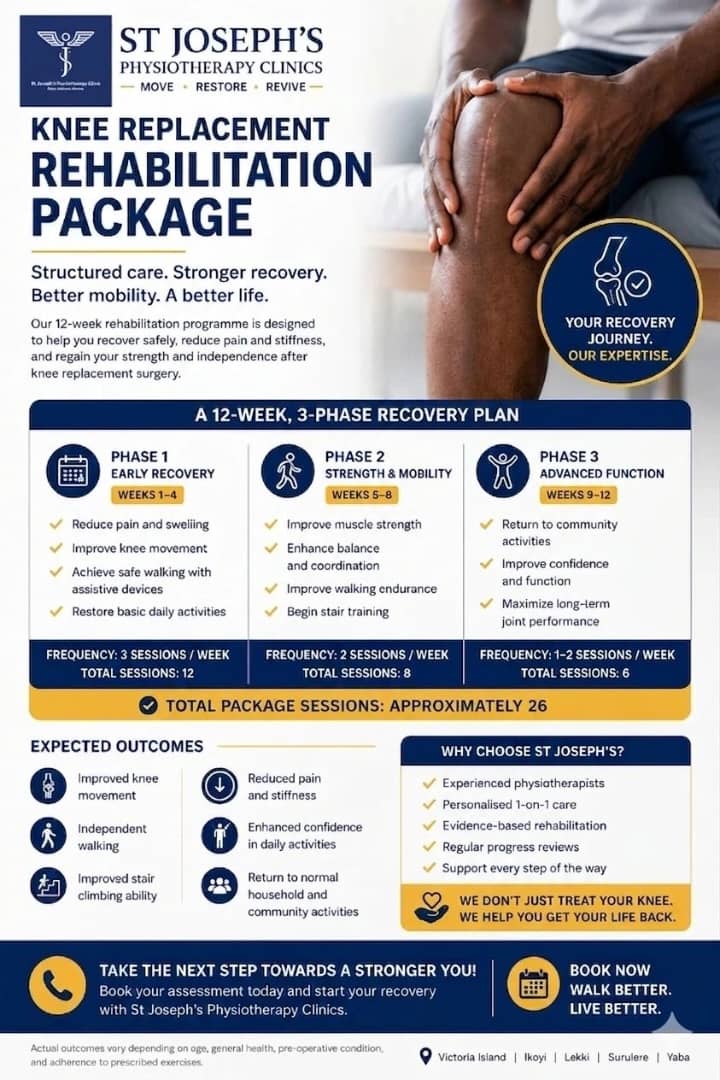
Complete Knee Replacement Rehabilitation Package in Lagos
Knee replacement surgery is a major step toward pain relief and improved mo…

NAMDA threatens strike over unpaid medical lecturers’ allowances
The Nigerian Association of Medical and Dental Academics (NAMDA) has warned…

Resident Doctors Signal End to Strike Threat After High-Level Talks with Gbajabiamila
The threat of a nationwide indefinite strike by the Nigerian Association of…