People newly diagnosed with type 2 diabetes who are initially given the drug metformin are less likely to eventually need other drugs to control their blood sugar, a new study suggests.
The study found that, of those started on metformin, only about one-quarter needed another drug to control their blood sugar.
However, people who were started on type 2 diabetes drugs other than metformin often needed a second drug or insulin to control their blood sugar levels, the researchers said.
“This study supports the predominant practice, which is that most people are started on metformin,” said lead researcher Dr. Niteesh Choudhry, an associate professor of medicine at Harvard Medical School in Boston. “Metformin might be more effective than others in controlling blood sugar,” he noted.
“Metformin, which is one of the oldest drugs we have and which the guidelines recommend as being the first drug to use, is associated with a lower risk of needing to add a second drug or insulin compared to any of three other commonly used classes of drugs,” Choudhry said.
The report was published in the edition of JAMA Internal Medicine.
A hallmark of type 2 diabetes is insulin resistance, according to the American Diabetes Association.
That means the body doesn’t effectively use the hormone insulin.
Insulin is produced by the pancreas and helps usher sugar from foods into the body’s cells to be used as energy. When people have insulin resistance, too much sugar is left in the blood instead of being used.
Over the long-term, high blood sugar levels can lead to serious complications, such as heart and kidney disease, according to the ADA.
There are eight classes of oral type 2 diabetes medications, according to the ADA. Each class works a bit differently. For example, metformin makes the body’s cells more sensitive to insulin.
It also decreases the amount of sugar naturally produced in the liver, the ADA reports. Sulfonylureas, on the other hand, encourage the pancreas to produce more insulin, according the ADA.
For the current study, Choudhry’s team collected data on more than 15,000 people starting treatment for type 2 diabetes from July 2009 through June 2013. The average follow-up time was slightly longer than one year.
New York Times News Service
ABUJA: Training Schedule for Basic Life Support BLS, Pediatric Advanced Life Support (PALS), Advanced Cardiovascular Life Support ACLS, First Aid, CPR, AED
PORTHARCOURT: Training Schedule for Basic Life Support BLS, Pediatric Advanced Life Support (PALS), Advanced Cardiovascular Life Support ACLS, First Aid, CPR, AED
LAGOS: Training Schedule for Basic Life Support BLS, Pediatric Advanced Life Support (PALS), Advanced Cardiovascular Life Support ACLS, First Aid, CPR, AED
STOP paying for airtime and electricity, Let your phone pay its bills with ScreenT
You may also like

Comrade Lemii Christian Emerges Chairman of NANNM Rivers State Branch in Historic Victory
PORT HARCOURT, NIGERIA Following the long awaited National Association of N…

FG Supports Robotic Surgery Expansion to Reduce Medical Tourism
Nigeria is taking another step toward strengthening specialised healthcare …
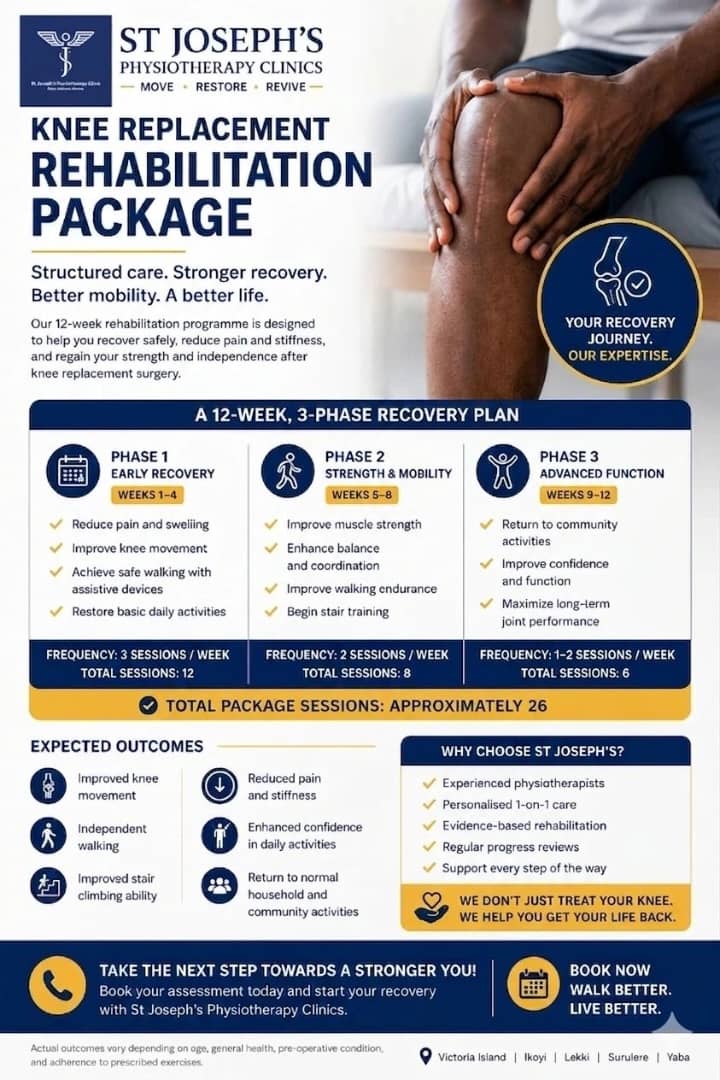
Complete Knee Replacement Rehabilitation Package in Lagos
Knee replacement surgery is a major step toward pain relief and improved mo…

NAMDA threatens strike over unpaid medical lecturers’ allowances
The Nigerian Association of Medical and Dental Academics (NAMDA) has warned…

Resident Doctors Signal End to Strike Threat After High-Level Talks with Gbajabiamila
The threat of a nationwide indefinite strike by the Nigerian Association of…