This is good news for those who still cherish their daily cup of coffee. Scientists say moderate consumption of one to three cups of coffee every day could reduce your risk of death from heart disease and other illnesses.
In a study reported in the American Heart Association journal Circulation, people who regularly drank moderate amounts of coffee daily – less than 5 cups per day – experienced a lower risk of deaths from cardiovascular disease, neurological diseases, Type 2 diabetes and suicide.
This latest study has further confirmed earlier studies showing that coffee indeed neither increases nor decreases the risk of lifestyle diseases. Indeed, the scientists recommend that regular consumption of coffee can be included as part of a healthy, balanced diet,
According to the researchers, the benefits are derived from the naturally occurring chemical compounds in the coffee beans.
 “Bioactive compounds in coffee reduce insulin resistance and systematic inflammation,” said Ming Ding, M.D., the study’s first author and doctoral student at the Harvard T.H. Chan School of Public Health in Boston, Massachusetts.
 “They might be responsible for the inverse association between coffee and mortality. However, more studies are needed to investigate the biological mechanisms producing these effects.”
The findings are based on data from three large ongoing studies: 74,890 women in the Nurses’ Health Study; 93,054 women in the Nurses’ Health Study 2; and 40,557 men in the Health Professionals Follow-up Study.
Researchers assessed coffee drinking every four years using validated food questionnaires and followed participants for up to 30 years. During the follow-up period, 19,524 women and 12,432 men died from a range of causes.
In general, people who frequently drank coffee were more likely to smoke and drink alcohol. To separate the effects of coffee from smoking, researchers repeated their analysis among never-smokers, and found that the protective benefits of coffee on deaths became even more evident.
“Regular consumption of coffee can be included as part of a healthy, balanced diet,” said senior author Frank Hu, M.D., Ph.D, a Professor of Nutrition and Epidemiology at Harvard.” However, certain populations such as pregnant women and children should be cautious about high caffeine intake from coffee or other beverages.”
Similarly, another research from the University of Copenhagen and Herlev and Gentofte Hospital showed that coffee neither increases nor decreases the risk of developing lifestyle diseases such as obesity and diabetes.
The study which was published in a recent edition of the International Journal of Epidemiology is based on DNA and information about coffee drinking and lifestyle diseases from 93,000 Danes from the Copenhagen General Population Study.
“We are the first in the world to have investigated the relationship with genes associated with a lifelong high consumption of coffee. These genes are completely independent of other lifestyle factors, and we can therefore conclude that drinking coffee in itself is not associated with lifestyle diseases,” says medical student Ask Tybjaeg Nordestgaard from the Department of Clinical Biochemistry at Herlev and Gentofte Hospital.
The researchers disclosed that they designed a unique study, where they looked into a number of genes that affect our desire for coffee. If you have the special coffee genes, you may be drinking more coffee than those not having the genes. This allows the researchers to see whether a higher coffee consumption increases or decreases the risk of developing lifestyle diseases.
“We can now see that the coffee genes are surprisingly not associated with a risk of developing type 2 diabetes or obesity. This suggests that drinking coffee neither causes nor protects against these lifestyle diseases,” says Boerge Nordestgaard, clinical professor at the Faculty of Health and Medical Sciences, University of Copenhagen, and senior physician at the Department of Clinical Biochemistry at Herlev and Gentofte Hospital.
Yet another study published in an edition of Cancer Epidemiology, Biomarkers & Prevention, a journal of the American Association for Cancer Research showed that long-term coffee consumption may be associated with a reduced risk for endometrial cancer. Study author Edward Giovannucci, M.D., Sc.D., professor of nutrition and epidemiology at the Harvard School of Public Health, said coffee is emerging as a protective agent in cancers that are linked to obesity, estrogen and insulin.
“Coffee has already been shown to be protective against diabetes due to its effect on insulin,” said Giovannucci, a senior researcher on the study. “So we hypothesized that we’d see a reduction in some cancers as well.”
Giovannucci, along with Youjin Je, a doctoral candidate in his lab, and colleagues observed cumulative coffee intake in relation to endometrial cancer in 67,470 women who enrolled in the Nurses’ Health Study.
During the course of 26 years of follow-up, researchers documented 672 cases of endometrial cancer.
Drinking more than four cups of coffee per day was linked with a 25 percent reduced risk for endometrial cancer. Drinking between two and three cups per day was linked with a 7 percent reduced risk.
A similar link was seen in decaffeinated coffee, where drinking more than two cups per day was linked with a 22 percent reduced risk for endometrial cancer.
Still love with your coffee? Don’t worry, the scientists’ latest discovery should clear any doubt. A cup or two daily will do no harm but rather save you from some dreaded lifestyle diseases.
By: Sam Eferaro
National Mirror News
ABUJA: Training Schedule for Basic Life Support BLS, Pediatric Advanced Life Support (PALS), Advanced Cardiovascular Life Support ACLS, First Aid, CPR, AED
PORTHARCOURT: Training Schedule for Basic Life Support BLS, Pediatric Advanced Life Support (PALS), Advanced Cardiovascular Life Support ACLS, First Aid, CPR, AED
LAGOS: Training Schedule for Basic Life Support BLS, Pediatric Advanced Life Support (PALS), Advanced Cardiovascular Life Support ACLS, First Aid, CPR, AED
STOP paying for airtime and electricity, Let your phone pay its bills with ScreenT
You may also like
Comrade Lemii Christian Emerges Chairman of NANNM Rivers State Branch in Historic Victory
PORT HARCOURT, NIGERIA Following the long awaited National Association of N…

FG Supports Robotic Surgery Expansion to Reduce Medical Tourism
Nigeria is taking another step toward strengthening specialised healthcare …
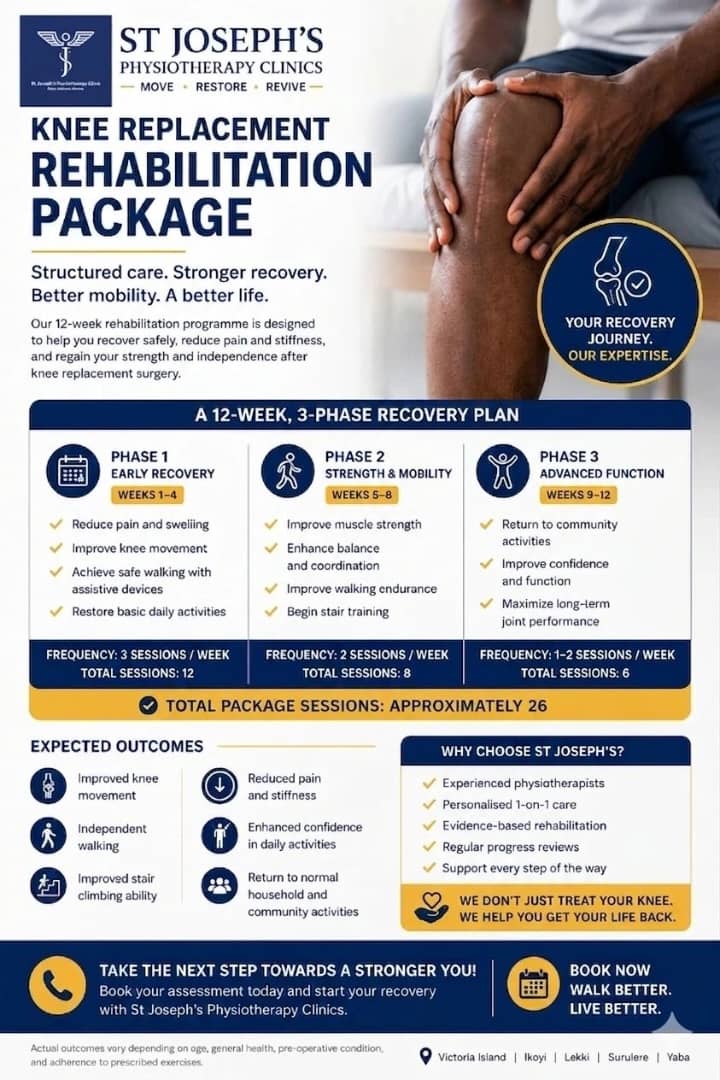
Complete Knee Replacement Rehabilitation Package in Lagos
Knee replacement surgery is a major step toward pain relief and improved mo…

NAMDA threatens strike over unpaid medical lecturers’ allowances
The Nigerian Association of Medical and Dental Academics (NAMDA) has warned…

Resident Doctors Signal End to Strike Threat After High-Level Talks with Gbajabiamila
The threat of a nationwide indefinite strike by the Nigerian Association of…