A sugar found in breast milk protects newborn babies against a deadly bug, scientists believe.
The naturally occurring compound wards off group B streptococcal infection, new research suggests.
Also known as GBS, it is the most common life-threatening infection in newborn babies in the UK, causing meningitis, blood poisoning and pneumonia.
A naturally occurring sugar in breast milk may help prevent Group B streptococcus infection - a common cause of deadly meningitis, researchers from Imperial College London found
It claims the life of one baby a week and many others are left with long-term disabilities.
Many pregnant women naturally carry the bug and the number of infections in babies is rising.
However, it hasn’t been understood why some newborns pick up the bug and others remain healthy.
 Researchers from Imperial College London studied 183 women in the Gambia and their babies.
 They tested the mothers’ DNA for a gene that is linked to blood group and also plays an important role in determining the type of sugar that her breast milk contains.
Tests were also run for GBS.
The team found women with the gene were less likely to have the GBS in their gut, and their babies were also less likely to be infected at birth.
Human milk contains 200 different sugar compounds - more than seven times as many as other animals.
Plus, those babies that were infected found it easier to fight off the germ if their mother’s breast milk contained a sugar called lacto-n-difucohexaose I.
Around half of women are thought to produce the sugar lacto-N-difucohexaose I.
Breast-fed babies are better behaved
Babies who are breast-fed until the age of six months are better behaved as children, researchers have found. Experts monitored the behaviour of 1,500 children aged between seven and 11.
They found those who had only been breastfed for the first month of their life, or less, were twice as likely to display behavioural problems than those who were breastfed until six months.
The research, led by Glasgow University experts and carried out among children in South Africa, suggests breastfeeding has benefits that exted beyond physical health.
Finally, tests in a dish in the lab showed that breast milk containing the sugar was better at killing the GBS.
Lead researcher, Dr Nicholas Andreas, ‘Although this is early-stage research it demonstrates the complexity of breast milk, and the benefits it may have for the baby.
‘Increasingly, research is suggesting these breast milk sugars may protect against infections in the newborn, as well as boosting a child’s “friendly’ gut bacteria.’
It is thought that the sugar allows ‘friendly’ bacteria to flourish and out-compete any harmful bacteria that may be in the youngster’s gut, such as Group B streptococcus.
The sugar is also thought to act as a decoy which fools the bacteria into thinking it is a type of human cell that can be invaded. The bacteria latch onto the sugar, only to be excreted by the body. This may help protect the baby from infection until their own immune system is more mature to fight off the invaders at around six months of age.
Source: The Guardian News
ABUJA: Training Schedule for Basic Life Support BLS, Pediatric Advanced Life Support (PALS), Advanced Cardiovascular Life Support ACLS, First Aid, CPR, AED
PORTHARCOURT: Training Schedule for Basic Life Support BLS, Pediatric Advanced Life Support (PALS), Advanced Cardiovascular Life Support ACLS, First Aid, CPR, AED
LAGOS: Training Schedule for Basic Life Support BLS, Pediatric Advanced Life Support (PALS), Advanced Cardiovascular Life Support ACLS, First Aid, CPR, AED
STOP paying for airtime and electricity, Let your phone pay its bills with ScreenT
You may also like
Comrade Lemii Christian Emerges Chairman of NANNM Rivers State Branch in Historic Victory
PORT HARCOURT, NIGERIA Following the long awaited National Association of N…

FG Supports Robotic Surgery Expansion to Reduce Medical Tourism
Nigeria is taking another step toward strengthening specialised healthcare …
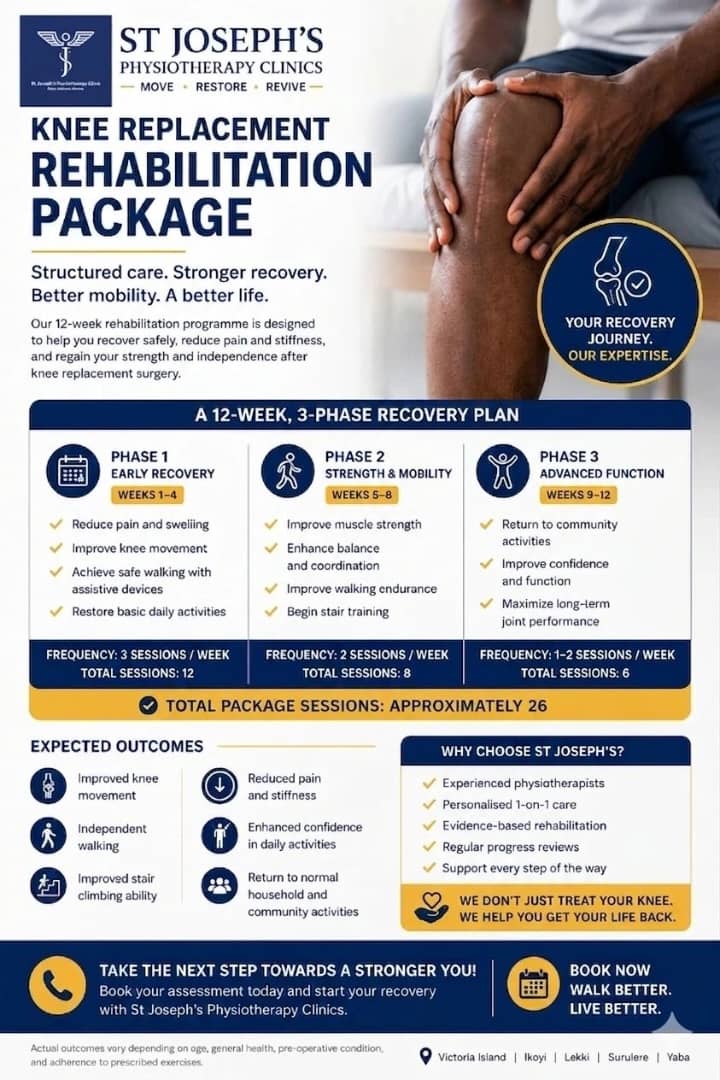
Complete Knee Replacement Rehabilitation Package in Lagos
Knee replacement surgery is a major step toward pain relief and improved mo…

NAMDA threatens strike over unpaid medical lecturers’ allowances
The Nigerian Association of Medical and Dental Academics (NAMDA) has warned…

Resident Doctors Signal End to Strike Threat After High-Level Talks with Gbajabiamila
The threat of a nationwide indefinite strike by the Nigerian Association of…