In a move to intensify efforts to ensure that Nigeria is free of poliomyelitis, the National Primary Health Care Development Agency (NPHCDA) says the country will now be immunising children with the new bivalent oral polio vaccine.
The Executive Director/CEO of the agency, Dr. Ado Muhammed told National Mirror exclusively that Nigeria formally stopped the use of the trivalent oral polio vaccine and switched over to the new bivalent vaccine on Monday April 18, thus joining other 154 countries using the oral polio vaccine in adopting the new vaccine. The trivalent oral polio vaccine has been used successfully to fight polio for more than 30 years.
The move is in compliance with the directive of The Global Polio Eradication Initiative (GPEI), a public-private partnership spearheaded by the WHO, to all countries to switch over to the new bivalent oral polio vaccine with effect from Sunday April 17.
It is the first time a changeover of this scale has been attempted. Dr. Muhammed further assured that “all necessary logistic arrangement are in place to ensure a smooth transition, including vaccine adequacy.” According to GPEI, every country in the world currently using oral poliovirus vaccine (OPV) must withdraw the trivalent vaccine (tOPV) and replace it with the bivalent vaccine (bOPV).
 This will continue to protect infants from poliovirus types 1 and 3 while withdrawing the type 2 component, thereby mitigating the risk of seeding new type 2 circulating vaccine-derived poliovirus (cVDPV2). “All 155 countries that use OPV have now developed switch plans and are putting the final preparations in place.
 Nearly 75% of the countries (112) have already received their shipments of bOPV, which are being distributed to peripheral storage location and service points. The GPEI have provided financial support to 67 countries to aid planning and implementation, 43 of are high risk and low income countries,” GPEI says in its online newsletter.
The new vaccine will target the two remaining strains of the virus under a switchover 18 months in the planning. It will still be given as drops in the mouth, so healthcare workers will not need fresh training. It will no longer include a weakened version of type 2 polio virus, which was eradicated in 1999. There were just 74 cases of the paralysing disease in 2015 and there have been 10 so far this year. All of the cases were in Afghanistan and Pakistan. Africa has been free of polio for more than a year.
The trivalent vaccine protects against poliovirus types 1, 2 and 3, but type 2 was declared eradicated in 1999. The advantages of cutting type 2 out of the vaccine are twofold: it reduces vaccine-associated polio and creates a stronger vaccine as it does not contain an extraneous component. Sanofi ($SNY), Serum Institute of India, Bharat Biotech and GlaxoSmithKline ($GSK) are among the companies that manufacture WHO-prequalified trivalent polio vaccines.
None of them will lose out in the switch, however, since every company that makes the trivalent vaccine also produces WHO-prequalified bivalent polio vaccines. All oral polio vaccines are made with weakened live poliovirus, so there is a one-in-a-million risk of a weakened strain mutating and sickening people. However, according to GPEI, poliovirus type 2 is responsible for about 90% of paralysis cases caused by vaccine-associated polio. The switch will tap down on the circulation of new strains of type 2 polio.
Meanwhile, the Gates Foundation and the WHO are funding the development of a synthetic polio vaccine, which could eliminate the risk of vaccine-associated polio for good. However, experts say despite the benefits of switching to the bivalent vaccine, there is a risk of declining population immunity to type 2 polio. GPEI has been scrambling to boost type 2 polio immunity levels ahead of the switch.
It is also calling for a global stockpile of a monovalent vaccine against type 2 in case there is an outbreak of that polio type following the switch. It will be recalled that NPHCDA boss had assured the nation last week that the country has enough vaccines that would last her till the first quarter of 2017 and has recorded no case of vaccine stock out for all its immunization programmes in the last two years.
Speaking when he received the Minister of Health, Prof Isaac Adewole who paid an official visit to the agency recently, Dr. Muhammed said the country had not recorded any polio case for the past 20 months, raising the nation’s hope of being certified free of the disease by World Health Organization next year.
By: Marcus Fatunmole
National Mirror News
ABUJA: Training Schedule for Basic Life Support BLS, Pediatric Advanced Life Support (PALS), Advanced Cardiovascular Life Support ACLS, First Aid, CPR, AED
PORTHARCOURT: Training Schedule for Basic Life Support BLS, Pediatric Advanced Life Support (PALS), Advanced Cardiovascular Life Support ACLS, First Aid, CPR, AED
LAGOS: Training Schedule for Basic Life Support BLS, Pediatric Advanced Life Support (PALS), Advanced Cardiovascular Life Support ACLS, First Aid, CPR, AED
STOP paying for airtime and electricity, Let your phone pay its bills with ScreenT
You may also like
Comrade Lemii Christian Emerges Chairman of NANNM Rivers State Branch in Historic Victory
PORT HARCOURT, NIGERIA Following the long awaited National Association of N…

FG Supports Robotic Surgery Expansion to Reduce Medical Tourism
Nigeria is taking another step toward strengthening specialised healthcare …
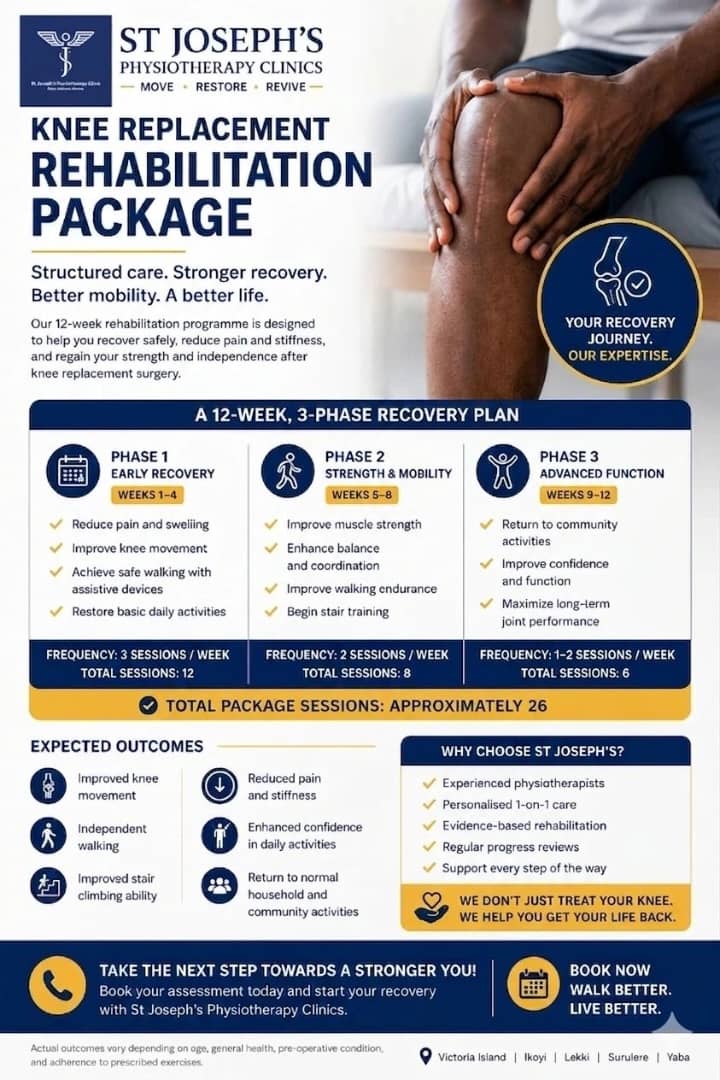
Complete Knee Replacement Rehabilitation Package in Lagos
Knee replacement surgery is a major step toward pain relief and improved mo…

NAMDA threatens strike over unpaid medical lecturers’ allowances
The Nigerian Association of Medical and Dental Academics (NAMDA) has warned…

Resident Doctors Signal End to Strike Threat After High-Level Talks with Gbajabiamila
The threat of a nationwide indefinite strike by the Nigerian Association of…