When Governor Godswill Akpabio amended the pension laws of Akwa Ibom State, what was most perplexing to me was the whooping sum of N100 million that was set as the limit for annual medical benefits for each ex-Governor of the state. Like many Nigerians, I wondered how many hospitals could be better funded with that sum, how many thousand lives would be saved with a fraction of this amount and what ailments these ex-Governor's might be treating to warrant spending such an obscene sum of money annually. Sadly, the healthcare system in Nigeria will not be better for the spending by these government officials, as most of it will be in countries that have prioritized their healthcare and have a system to offer to the world.
What is happening to the healthcare system in Nigeria? The World Health Organization ranks the Nigerian healthcare system amongst the worst in the world. Specifically, its most recent report places Nigeria at the 187th position of 190 countries. This is only ahead of the DRC, Central Africa Republic and Myanmar. Even Zimbabwe and Burundi, which are amongst the poorest countries of the world rank at least thirty places ahead of Nigeria, yet Nigeria has the largest Gross Domestic Product on the continent and many significant mineral resources.
Every individual has a right to live healthy and the government, at all levels, is obligated to provide good quality healthcare amongst other social amenities to its citizenry at affordable costs and in a convenient manner. The healthcare system is expected to focus on the prevention, diagnosis and treatment of diseases and ailments for all the people; and the responsibility of the government to achieve these objectives cuts across its various tiers.
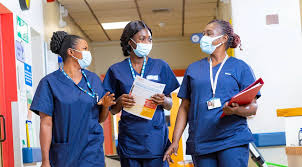
Our healthcare system has been neglected for an extended period, evidenced by the lack of funding, undersupply, inefficiency, decrepit equipment, poor quality, needless deaths and unhappy workforce. The country does not boast of a plausible healthcare agenda and often leaves development agencies to define programs for focus. Doctors exploit the weak system, inviting patients to private practices so that they can earn additional income and consulting at multiple government hospitals so they appear on various payrolls. They go on strike for extended periods depicting the criminal neglect of the sector. Nurses yell at patients and refuse to respond to their basic enquiries. Pharmacists dispense drugs in envelopes and do not bother to write the name of the medication or educate patients on side-effects. Accounts clerks often have 'no change' and will therefore tell patients to go find the correct denomination before payments are accepted and emergency cases are overlooked because payments are incomplete. Many general hospitals stink (literally and figuratively) and are breeding grounds for infectious diseases - many also do not have sufficient beds so corridors become sleep pads.
ABUJA: Training Schedule for Basic Life Support BLS, Pediatric Advanced Life Support (PALS), Advanced Cardiovascular Life Support ACLS, First Aid, CPR, AED
PORTHARCOURT: Training Schedule for Basic Life Support BLS, Pediatric Advanced Life Support (PALS), Advanced Cardiovascular Life Support ACLS, First Aid, CPR, AED
LAGOS: Training Schedule for Basic Life Support BLS, Pediatric Advanced Life Support (PALS), Advanced Cardiovascular Life Support ACLS, First Aid, CPR, AED
STOP paying for airtime and electricity, Let your phone pay its bills with ScreenT
You may also like
Kebbi Nurses Demand Greater Professional Autonomy, Pass Vote of Confidence in Idris Administration
Activities marking the 2026 International Nurses Week have commenced across…

UUTH Doctors Declare Indefinite Strike After EFCC Raid Sparks Chaos
Medical services at the University of Uyo Teaching Hospital (UUTH) were thr…
WHO: No Cause for Public Alarm Over Hantavirus Infection
The World Health Organisation (WHO) has assured the global public that the …
NANNM Urges FG to Prioritise Investment in Midwives to Reduce Maternal, Child Deaths
As Nigeria marked the International Day of the Midwife themed “One Million …

Lagos NMA Chairman Removed Over Alleged Constitutional Breaches, Femidire Elected as Successor
A leadership crisis has erupted within the Lagos State branch of the Nigeri…
