... Advised to eat healthy diet
Many research studies in the past have suggested that a mother's diet and weight in pregnancy affects the breast cancer risk of offspring
But now, new research indicates the same thing may ring true for fathers. Being obese, it says, alters the gene expression of sperm, which may raise the risk of breast cancer for their daughters in later life.
Lead investigator Dr. Sonia de Assis of the Department of Oncology at George-town Lombardi Comprehensive Cancer Center in Washington, D.C., and col-leagues present their findings in the journal Scientific Reports.
After skin cancer, breast cancer is the most common cancer among women in the United States, with around 246,660 new cases expected to be diagnosed this year.
It is well established that certain changes to genes can influence a woman's breast cancer risk, and around 5-10 per cent of these gene changes are inherited.
Previous studies have shown that a woman's lifestyle factors - such as diet and smoking - may lead to gene mutations that can be passed to offspring, and some studies have indicated that maternal obesity can alter genes that could raise a child's risk for breast cancer.
 But according to de Assis and colleagues, few studies have investigated how a father's weight may influence the breast cancer risk of future generations. Paternal obesity affects sperm, raising daughters breast cancer risk
 To address this research gap, the researchers conducted a study in which they fed male mice either a nonnal diet (the controls) or an obesity-inducing diet, before mating them with normal-weight female mice.
The researchers then analyzed the breast tissue and rates of breast cancer among offspring.
Compared with female pups with normal-weight fathers, those with obese fathers were overweight at birth, had delayed breast tissue development, and were more likely to develop breast cancer.
On analyzing the sperm of the obese fathers, the team found it had an altered microRNA (miRNA) signature - molecular strands that regulate gene expression. The same altered miRNA expression was found in the breast tissue of their female offspring.
Increased birth weight was also identified among male offspring of obese fathers, but the team says the finding was not statistically significant. Overall, the authors, reported by Honor Whiteman, say their findings indicate that miRNAs pass on epigenetic information from obese fathers to their daughters.
"This study provides evidence that, in animals, a father's body weight at the time of conception affects both their daughter's body weight both at birth and in childhood as well as their risk of breast cancer later in life.
Of course our study was done in mice, but it recapitulates recent findings in hu-mans which show that obese men have significant epigenetic alterations in their sperm compared to lean men. Our animal study suggests that those epigenetic alter-ations in sperm may hove consequences for next generation cancer risk," says So-nia de Assis.
The researchers say they now plan to investigate whether their findings apply to humans.
"Until we know about tt is associa-tion in men, we should stick to what we all know is good advice: women - and men - should eat a balanced diet, keep a healthy body weight and lifesty 'e, not only for their own benefit, but also o give their offspring the best chances of being healthy," says de Assis.
Source: Saturday Sun
ABUJA: Training Schedule for Basic Life Support BLS, Pediatric Advanced Life Support (PALS), Advanced Cardiovascular Life Support ACLS, First Aid, CPR, AED
PORTHARCOURT: Training Schedule for Basic Life Support BLS, Pediatric Advanced Life Support (PALS), Advanced Cardiovascular Life Support ACLS, First Aid, CPR, AED
LAGOS: Training Schedule for Basic Life Support BLS, Pediatric Advanced Life Support (PALS), Advanced Cardiovascular Life Support ACLS, First Aid, CPR, AED
STOP paying for airtime and electricity, Let your phone pay its bills with ScreenT
You may also like
Comrade Lemii Christian Emerges Chairman of NANNM Rivers State Branch in Historic Victory
PORT HARCOURT, NIGERIA Following the long awaited National Association of N…

FG Supports Robotic Surgery Expansion to Reduce Medical Tourism
Nigeria is taking another step toward strengthening specialised healthcare …
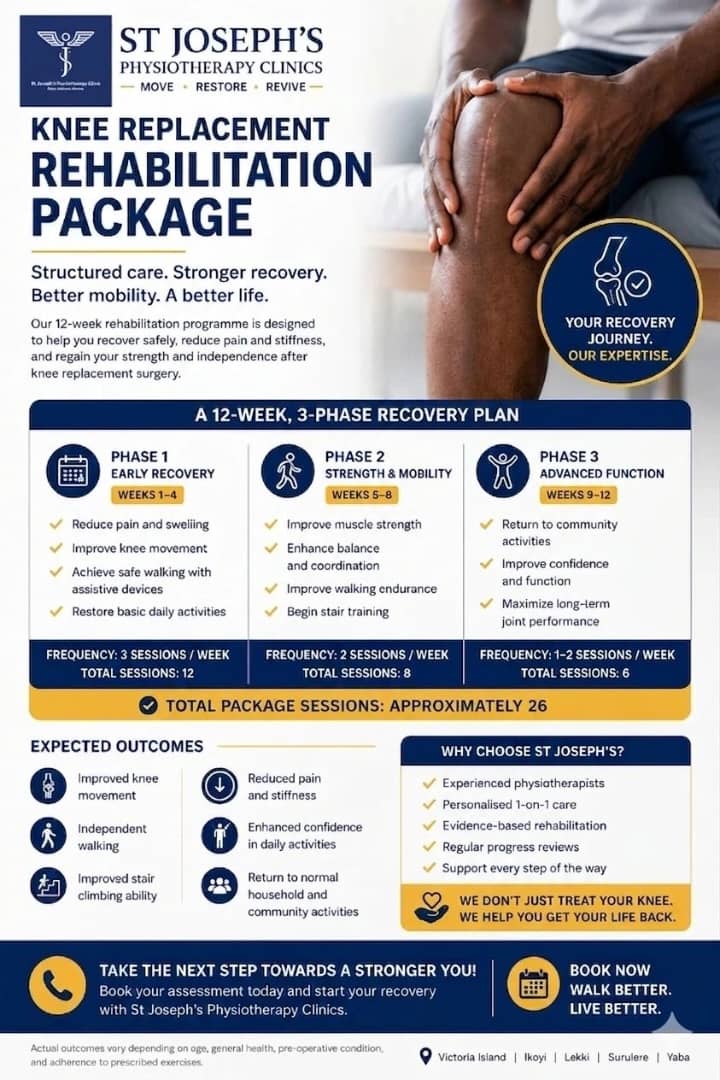
Complete Knee Replacement Rehabilitation Package in Lagos
Knee replacement surgery is a major step toward pain relief and improved mo…

NAMDA threatens strike over unpaid medical lecturers’ allowances
The Nigerian Association of Medical and Dental Academics (NAMDA) has warned…

Resident Doctors Signal End to Strike Threat After High-Level Talks with Gbajabiamila
The threat of a nationwide indefinite strike by the Nigerian Association of…