Spraying pesticide at home helps eliminate mosquitoes, cockroaches and other bugs, but exposing children to these chemicals increase their risk of developing leukemia or lymphoma, a new report suggests. The report also links pesticides to sudden infant death and lower IQ in children.
The research published in the Journal Paediatric, explained that children can be exposed to pesticides by breathing them in or eating them. According to them, chemical residues often linger on surfaces where children play or spend time, and children easily touch these places and put their hands in their mouths.
The researchers combined data from 16 earlier studies that had compared pesticide exposure between children who developed leukemia or lymphoma and those who did not. These studies estimated the level of insecticides and herbicides both inside the home and in the yard and outdoor residential space.
They concluded that children who had been exposed to insecticides indoors were 47% more likely to have leukemia and 43% more likely to have lymphoma.
The analysis finds that kids exposed to pesticides indoors are at higher risk for childhood cancers.
 The study, based on data mainly from North America, Europe and Australia, suggests that policies should be developed to limit children’s exposures at home and school to insect killers, researchers say.
 “When you apply pesticides so close to where kids are and they spend so much time in the household, I’d really be concerned about their exposure,” said Chensheng Lu, the senior author of the analysis from the Harvard T.H. Chan School of Public Health in Boston.
The researchers writes that children can be exposed to pesticides when they play on treated surfaces and then put their fingers in their mouths.
Unlike adults, children may not be able to break down or excrete some of the chemicals used in pesticides. Reports show children had respiratory, stomach, nerve and hormone problems tied to pesticides, Lu and colleagues add.
In the same issue of the journal, researchers from Italy published a report of a seven-month-old child dying after repeated exposure to massive amounts of a household insecticide.
“I think that case highlights the acute effects of insecticides,” Lu said.
The researchers also found a slightly increased risk of childhood cancers with the use of outdoor herbicides, or weed killers, but the association was only significant for leukemia.
The link between outdoor exposure and childhood cancers was not as strong as for indoor exposure, because people tend to spray more pesticides indoors, Lu said.
More research is needed to determine how exposure to pesticides may be linked to childhood cancers, the researchers write. Lu cautions, however, that parents should keep in mind that many pesticides are meant to be deadly to insects and pests.
“Those chemicals have lethal potencies so why would people want to spray so close to their kids? he asked
Eliminating the possibility of increased risk for childhood cancers comes down to parents and caregivers not spraying pesticides in their homes, Lu said.
“Prevention is the key in this type of association, I do not believe people need to spray pesticide in their household”, he added.
Some of the studies that Lu and his colleagues included in their analysis suggest that rates of cancer were highest among children who were exposed in the womb and among those whose parents were exposed before they were conceived. “Women who are pregnant or intend to become pregnant can avoid home insecticide application,” said Roberts of the Medical University of South Carolina.
Although it is too soon to say unequivocally whether pesticide exposure increases the risk of childhood cancers, there is stronger evidence connecting these chemicals with neurological consequences, such as lower IQ and attention deficit hyperactivity disorder, said Dr. Catherine J. Karr, professor of paediatrics and director of the Paediatric Environmental Health Specialty Unit at the University of Washington.
Explaining about leukemia incidence in Nigeria, a cancer expert, Abia Nzelu, said leukemia is one of the four most common cancers in Nigerian children.
leukaemia has a 94% death rate in Nigeria, meaning that only one out of every 20 Nigerians with leukaemia survives. The Nigerian leukaemia situation is unfortunate because, leukaemia is now curable. For instance, the Tata Cancer Centre in India has a 99% survival rate for leukaemia, in sharp contrast from the current situation in Nigeria, she said.
These experts advise parents to limit childrens exposures to pesticides; to remove childrens pets and toys from the area sprayed until after the pesticide has dried, and opt for bait strips rather than sprays that get everywhere.
By: Franka Osakwe
National Mirror News
ABUJA: Training Schedule for Basic Life Support BLS, Pediatric Advanced Life Support (PALS), Advanced Cardiovascular Life Support ACLS, First Aid, CPR, AED
PORTHARCOURT: Training Schedule for Basic Life Support BLS, Pediatric Advanced Life Support (PALS), Advanced Cardiovascular Life Support ACLS, First Aid, CPR, AED
LAGOS: Training Schedule for Basic Life Support BLS, Pediatric Advanced Life Support (PALS), Advanced Cardiovascular Life Support ACLS, First Aid, CPR, AED
STOP paying for airtime and electricity, Let your phone pay its bills with ScreenT
You may also like

Comrade Lemii Christian Emerges Chairman of NANNM Rivers State Branch in Historic Victory
PORT HARCOURT, NIGERIA Following the long awaited National Association of N…

FG Supports Robotic Surgery Expansion to Reduce Medical Tourism
Nigeria is taking another step toward strengthening specialised healthcare …
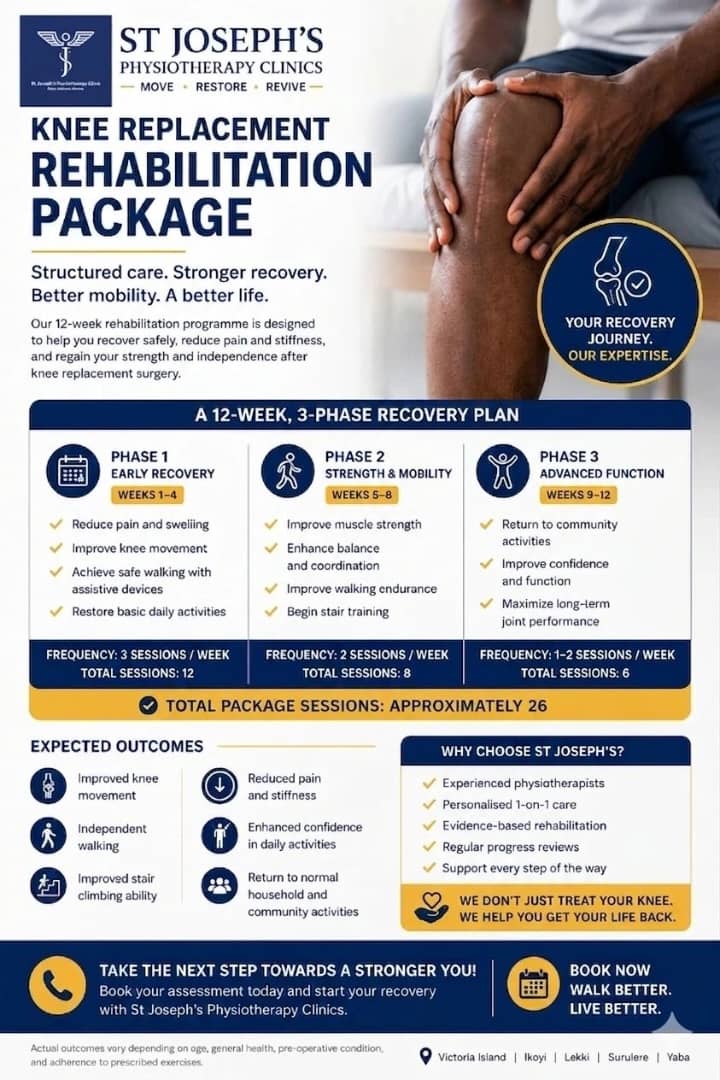
Complete Knee Replacement Rehabilitation Package in Lagos
Knee replacement surgery is a major step toward pain relief and improved mo…

NAMDA threatens strike over unpaid medical lecturers’ allowances
The Nigerian Association of Medical and Dental Academics (NAMDA) has warned…

Resident Doctors Signal End to Strike Threat After High-Level Talks with Gbajabiamila
The threat of a nationwide indefinite strike by the Nigerian Association of…
