Healthcare professionals are aware of patients’ withdrawal symptoms from opioids, but a new study shows the transition can be intensely unpleasant and anxiety provoking.
According to a news release from Medical News Today, “The research team at the CU School of Medicine and the VA Eastern Colorado Health Care System conducted in-depth interviews of 24 patients across three health systems in metro Denver to explore the perspectives of patients on this issue. Participants in the study described experiences of decreasing or stopping opioid medications that were complicated by opioid withdrawal symptoms, fears of increased pain and confusing medication changes. However, study participants also described an improved quality of life after the transition.”
Joseph Frank, MD, MPH, assistant professor of medicine and primary care physician at the VA Medical Center in Denver, said in the news release, “While the process can be very challenging, there may be a silver lining here. We heard powerful stories of patients reclaiming their lives. It will be important to ensure that patients’ voices are heard in the national conversation about these medications.”
The news release referred to a study published in the May 20, 2016, issue of Oxford Journals Pain Medicine. The study explored patients’ perspectives on opioid tapering.
Researchers in the study stated, “Efforts to support opioid tapering should elicit patients’ perceived barriers and seek to build on relationships with family, peers, and providers to facilitate tapering. Future work should identify patient-centered, feasible strategies to support tapering of COT (chronic opioid therapy).”
 A fact sheet published in May 2013 by the Department of Veterans Affairs and Department of Defense listed the following recommendations for tapering opioid use.
 â— Decisions regarding tapering schedule should be made on an individual basis, faster or slower tapering may be warranted.
â— Complete evaluation of the current treatment plan, co-occurring psychological conditions and other relevant factors should be completed prior to initiation of the taper.
â— Clear written and verbal instructions should be given to patients and their families to educate them about the slow taper protocol to minimize withdrawal symptoms.
â— For patients who are at high risk to engage in aberrant behaviors (e.g., parasuicidal acts, dealing/selling medications, those with severe impulse control disorders), tapering opioids in a primary care setting is not appropriate. Those patients should be referred to an addiction or pain specialist.”
According to the University of Maryland Medical Center website, about 9% of the population is believed to misuse opiates over the course of their lifetime, including illegal drugs like heroin and prescription pain medications such as Oxycontin.
“When the person stops taking the drugs, the body needs time to recover, and withdrawal symptoms result,” the website stated. “Withdrawal from opiates can occur whenever any chronic use is discontinued or reduced.”
UMMC lists early withdrawal symptoms of agitation, anxiety, muscle aches, increased tearing, insomnia, runny nose, sweating and yawning. Late symptoms include abdominal cramping, diarrhea, dilated pupils, goosebumps, nausea and vomiting.
Source: Nurse.Com News
ABUJA: Training Schedule for Basic Life Support BLS, Pediatric Advanced Life Support (PALS), Advanced Cardiovascular Life Support ACLS, First Aid, CPR, AED
PORTHARCOURT: Training Schedule for Basic Life Support BLS, Pediatric Advanced Life Support (PALS), Advanced Cardiovascular Life Support ACLS, First Aid, CPR, AED
LAGOS: Training Schedule for Basic Life Support BLS, Pediatric Advanced Life Support (PALS), Advanced Cardiovascular Life Support ACLS, First Aid, CPR, AED
STOP paying for airtime and electricity, Let your phone pay its bills with ScreenT
You may also like

Comrade Lemii Christian Emerges Chairman of NANNM Rivers State Branch in Historic Victory
PORT HARCOURT, NIGERIA Following the long awaited National Association of N…

FG Supports Robotic Surgery Expansion to Reduce Medical Tourism
Nigeria is taking another step toward strengthening specialised healthcare …
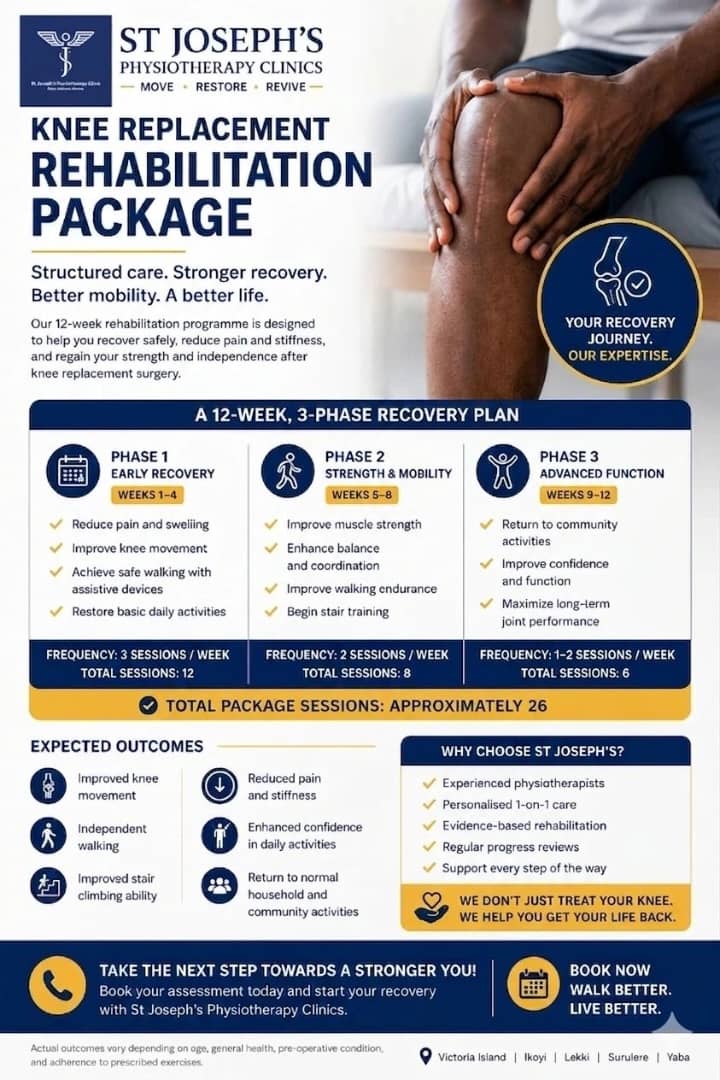
Complete Knee Replacement Rehabilitation Package in Lagos
Knee replacement surgery is a major step toward pain relief and improved mo…

NAMDA threatens strike over unpaid medical lecturers’ allowances
The Nigerian Association of Medical and Dental Academics (NAMDA) has warned…

Resident Doctors Signal End to Strike Threat After High-Level Talks with Gbajabiamila
The threat of a nationwide indefinite strike by the Nigerian Association of…