In order to have the most balanced diets, foods of a variety of colours is required. Regular consumption of foods with one colour, compels one to ingest one type of vitamin, targeting only one ailment thus, the individual cannot obtain all needed nutrients from the fruits and vegetables consumed.
The pigmentation in fruits and vegetables are created by a group of highly beneficial antioxidants called carotenoids, which eliminates harmful free radicals in the body. The colour of different types of foods indicates the unique job various antioxidants perform in the body. However, when we consume foods of varying colours, the mixture of antioxidants is most effective.
Red coloured fruits and vegetables e.g tomatoes, red pepper, red grape fruit, watermelon, contain a carotenoid called lycopene. Lycopene is the main pigment responsible for the redness in these fruits. Lycopene is associated with cancer fighting antioxidant like those found in cancers of the digestive tract stomach, lungs, prostrate glands, etc. Lycopene works by inhibiting the formation of harmful cholesterol protects against heart disease, encouraging wounds to heal and maintaining the condition of the cell membranes.
Orange coloured fruits and vegetables have high amounts of carotenoid and beta-carotene. These include foods such as mangoes, cantaloupes, pumpkins, apricots, carrots, etc. It is an ideal antioxidant for lowering cholesterol levels, helps protection skin against free radical damage and the repair of damaged DNA and serves as an immune-booster which aids in the treatment of many ailments such as heart diseases, fighting colds and flus, cystitis, and skin problems, and eating the skins of orange foods is beneficial as they are nearly always packed with nutrients. It contains very high vitamin C.
Green fruits and vegetables are useful antioxidants for tackling urinary tract infections and gastrointestinal upsets and helps fight against cancer. Studies have linked high intake of green vegetables, like mustard greens, broccoli, cabbage, with lower rates of breast, prostrate and colon cancers. Broccoli and brussels sprouts have antibacterial and anti-inflammatory effect which are useful for tackling urinary tract infections and gastrointestinal upsets.
Orange/yellow fruits and vegetables are rich in vitamin C and citrus bioflavonoid. Examples are: pineapple, papaya, oranges, lemon, tangerines, yellow grape fruits, etc. They helps strengthen the blood vessels, maintains the collagen that helps form tendons, ligaments and cartilage. It has anti- inflammatory properties that helps prevent hemorrhoids, heals wounds and allergic reactions.

Yellow/green fruits and vegetables are rich in lutein and zeaxanthin. Maintain adequate eyesight protection. Examples are bananas, spinach, corn, melon, leeks, green peas, etc. Lutein protects the eyes from damage, protects lens of the eyes from sunlight slowing down the eyes from macular degradation such as slowing down the development of cateract, etc. Research has shown that lutein had a 57% lower risk of macular degradation than individuals with the lowest intake.
Red/ Purple fruits and vegetables contain flavonoids called anthocyanidin. Examples are: eggplants, raspberries, blueberries, grapes, red wine, etc. They have a large amount of vitamin C and more powerful than vitamin E. They prevent cancer growth, prevent blood clots, raise good cholesterol, promotes longevity and aids deterioration of nerve cells in the brain.
White/Green fruits and vegetables like onions, garlic, green/ black tea, green apples, red wine, contain flavonoid quercetin which has anti-inflammatory, antiviral and anticancer properties. It is used for treatment of allergies and asthma.
Vegetables such as garlic contains sulphur compounds which assist in raising levels of beneficial cholesterol and lowering dangerous levels of blood fats called triglycerides. They also help to lower blood pressure and prevent blood clots.
By: Chizoba Bensonon
National Mirror
ABUJA: Training Schedule for Basic Life Support BLS, Pediatric Advanced Life Support (PALS), Advanced Cardiovascular Life Support ACLS, First Aid, CPR, AED
PORTHARCOURT: Training Schedule for Basic Life Support BLS, Pediatric Advanced Life Support (PALS), Advanced Cardiovascular Life Support ACLS, First Aid, CPR, AED
LAGOS: Training Schedule for Basic Life Support BLS, Pediatric Advanced Life Support (PALS), Advanced Cardiovascular Life Support ACLS, First Aid, CPR, AED
STOP paying for airtime and electricity, Let your phone pay its bills with ScreenT
You may also like

Comrade Lemii Christian Emerges Chairman of NANNM Rivers State Branch in Historic Victory
PORT HARCOURT, NIGERIA Following the long awaited National Association of N…

FG Supports Robotic Surgery Expansion to Reduce Medical Tourism
Nigeria is taking another step toward strengthening specialised healthcare …
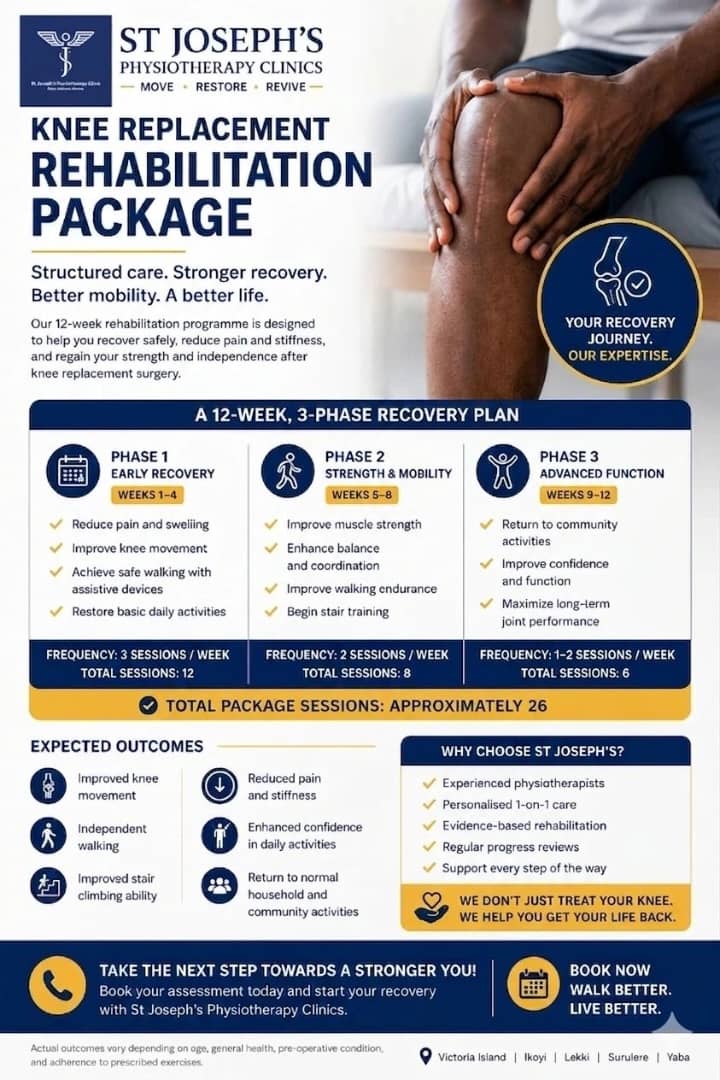
Complete Knee Replacement Rehabilitation Package in Lagos
Knee replacement surgery is a major step toward pain relief and improved mo…
NAMDA threatens strike over unpaid medical lecturers’ allowances
The Nigerian Association of Medical and Dental Academics (NAMDA) has warned…
Resident Doctors Signal End to Strike Threat After High-Level Talks with Gbajabiamila
The threat of a nationwide indefinite strike by the Nigerian Association of…