Nigeria has been able to interrupt the transmission of the devastating disease through sheer determination
The World Health Organisation (WHO) last weekend announced that polio is no longer endemic in Nigeria. This is a clear indication that the country, for the first time, has been able to interrupt transmission of wild poliovirus. “We Nigerians are proud today,” said Ado Muhammad, executive director of the National Primary Health Care Development Agency. “With local innovation and national persistence, we have beaten polio.” Indeed, the Global Polio Eradication Initiative (GPEI) has tagged the feat a “historic achievement”. This is a milestone worthy of celebration.
Barely three years ago in 2012, polio was endemic in Nigeria, accounting for more than half of the crippling disease world-wide. But since July last year, no new cases of the disease have been reported, meaning the country is on the road to finally eradicating the scourge that has afflicted millions of our children. Polio is an infectious disease caused by a virus which invades the nervous system and often causes irreversible paralysis. It can strike at any age but mainly affects children under five. There is no cure for polio as it can only be prevented through vaccination.
 However, the journey to rid the nation of polio has been rough and in some places, grave. Several times in recent years, for instance, vaccination programmes were halted because some religious and community leaders had mistaken the effort as a conspiracy to sterilise their children. Worse still, some gunmen killed nine polio immunisation workers at two clinics in Kano State after a four-day vaccination drive in 2013.
 Even if these were drawbacks, in addition to the insurgency in the north which inhibits free movement, they could not stop the national campaign to rout polio. Nigeria did in fact declare polio a national emergency. In four days in March 2010, some 46 million children, with massive support from United Nations Children Fund (UNICEF), were vaccinated to prevent the disease from spreading. The Poliofree Torch Campaign launched by former Vice-President Namadi Sambo in Zamfara and Sokoto States ensured that decision makers and religious leaders were conscripted into the campaigns.
The National Traditional Leaders’ Committee on Primary Health Care, led by the Sultan of Sokoto, Alhaji Muhammadu Sa'ad Abubakar III, has continued its strong advocacy of sensitising traditional authorities in communities where polio remains a major public health problem. And since 2010, about 18,000 Islamic scholars in high-risk areas have received training and information on polio, including messages in their Friday prayers. These had encouraged some hundreds of thousands of volunteer workers to pour into the field to help in the immunisation process.
These efforts received considerable boost from the Global Polio Eradication Initiative and other stakeholders like WHO, the Rotary Club, US Centre for Disease Control (CDC), UNICEF as well as funding from the Bill and Melinda Gates Foundation (BMGF), Sir Emeka Offor Foundation and Dangote Foundation, among many others.
While we commend these efforts, there is need to sustain the battle against polio. For one, it will take another two years of no new cases for WHO to certify Nigeria and indeed the African continent polio-free. Two, even when improved campaign quality means the proportion of children who have never been vaccinated against polio is steadily dropping, there is a need to be cautious and sustain lessons learnt in the programme so far.
To successfully eradicate polio, Nigeria must maintain strong commitment at all levels of society. “Eradicating polio will be one of the greatest achievements in human history,” said WHO in a statement. “Nigeria has brought the world one major step closer to achieving this goal and it’s critical that we seize this opportunity to end polio for good and ensure future generations of children are free from this devastating disease.”
By: This Day News
ABUJA: Training Schedule for Basic Life Support BLS, Pediatric Advanced Life Support (PALS), Advanced Cardiovascular Life Support ACLS, First Aid, CPR, AED
PORTHARCOURT: Training Schedule for Basic Life Support BLS, Pediatric Advanced Life Support (PALS), Advanced Cardiovascular Life Support ACLS, First Aid, CPR, AED
LAGOS: Training Schedule for Basic Life Support BLS, Pediatric Advanced Life Support (PALS), Advanced Cardiovascular Life Support ACLS, First Aid, CPR, AED
STOP paying for airtime and electricity, Let your phone pay its bills with ScreenT
You may also like
Comrade Lemii Christian Emerges Chairman of NANNM Rivers State Branch in Historic Victory
PORT HARCOURT, NIGERIA Following the long awaited National Association of N…

FG Supports Robotic Surgery Expansion to Reduce Medical Tourism
Nigeria is taking another step toward strengthening specialised healthcare …
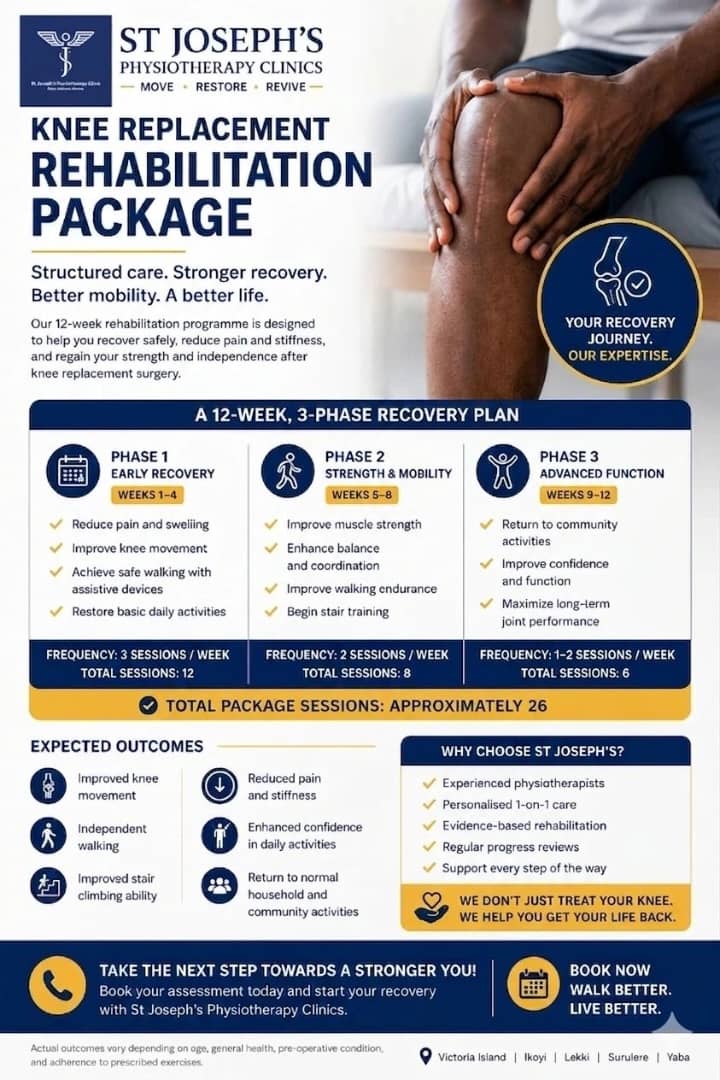
Complete Knee Replacement Rehabilitation Package in Lagos
Knee replacement surgery is a major step toward pain relief and improved mo…

NAMDA threatens strike over unpaid medical lecturers’ allowances
The Nigerian Association of Medical and Dental Academics (NAMDA) has warned…

Resident Doctors Signal End to Strike Threat After High-Level Talks with Gbajabiamila
The threat of a nationwide indefinite strike by the Nigerian Association of…