For the first time, Nigeria joined countries with zero polio cases to mark the World Polio Day last Saturday amidst cautious global optimism that a polio-free world is within grasp. But experts agree that much still need to be done to achieve the feat.
In a press statement on the eve of World Polio Day, the United Nation Children Fund (UNICEF) enthused that fewer children now contract the poliovirus.
“Never before in the history of polio have so few children in so few countries contracted the crippling virus – but we cannot rest until the number of cases is zero,” the organisation said, adding that progress to end polio is real and dramatic, with now just two countries in the world, Afghanistan and Pakistan , where the wild poliovirus has never been interrupted.
“But – and it’s a big but – until all children everywhere are consistently and routinely immunized against polio, the threat remains. We cannot let down our guard; we have to keep going until there is not a single child anywhere who remains unvaccinated,” Peter Crowley, head of the Polio Unit at UNICEF said.
 UNICEF further noted that “Just three years ago”, Nigeria was the reservoir of more than half of all polio cases in the world. “This year, for the first time in history, Nigeria has succeeded in interrupting transmission of wild poliovirus, and last month it was removed from the list of polio endemic countries. Nigeria’s remarkable achievement has brought the country and the African region closer than ever to being certified polio-free.
 “In India, where thousands of children once suffered from polio-induced paralysis each year, there have been no cases in four years. Globally there have been just 51 cases of wild polio virus since the beginning of 2015, compared with 242 wild polio cases for 2014.
“These successes are a result of political will and government leadership in affected countries; the strong mobilization and engagement of communities; the courage and commitment of front-line workers; and the combined, coordinated efforts of the partners of the Global Polio Eradication Initiative – the Centers for Disease Control and Prevention, the World Health Organization, Rotary International, the Bill and Melinda Gates Foundation and UNICEF.”
But the World Health Organisation (WHO) warned that countries must not relent in the global polio eradication effort, saying there is still much to do to turn “this delicate progress” into concrete gains.
“Vaccinating every child, improving surveillance, strengthening routine immunization systems and maintaining the commitments of governments and communities are keys to keeping Africa polio free,” the organisation noted concerning Nigeria’s recent achievement.
“The outbreaks of wild poliovirus that occurred in the Middle East, Central Africa and the Horn of Africa in 2013 seem to have been brought to an end, but much work still needs to be done to ensure that the virus really has gone from vulnerable countries and to prevent it from returning.
“There remains a serious risk that some children are not being reached regularly by vaccination teams in areas left vulnerable by insecurity, weak health systems or population movements. That is why the GPEI continues to work on strengthening the basic delivery of immunization services, to supplement immunization wherever and whenever possible with campaigns, using the most potent tool to stop polio outbreaks – oral polio vaccine – and being very thorough in finding and vaccinating children who are missed for any reason.”
WHO however stressed that “maintaining and improving surveillance systems is critical to ensuring that any virus is rapidly found so it can be responded to quickly and effectively; surveillance programmes are especially crucial in the years following the last detected case of polio in order to be confident that polio transmission has been stopped.”
Meanwhile WHO Regional Director for Africa, , Dr Matshidiso Moeti, is already looking beyond polio saying the lessons from polio eradication must be built on to ensure that no child dies from vaccine preventable diseases.
Dr Moeti listed government leadership, innovation, the heroism of health workers and the unique public-private partnership model of the Global Polio Eradication Initiative as the critical factors behind the success of polio eradication in reducing polio cases by over 99%.
With the eradication of polio closer than ever before, Dr Moeti called on leaders to commit to financing polio eradication; to utilize funding to ensure that new vaccines are reaching the poorest and most marginalised children; to strengthen surveillance, and improve the performance of routine immunization.
By: Sam Eferaro
National Mirror News
ABUJA: Training Schedule for Basic Life Support BLS, Pediatric Advanced Life Support (PALS), Advanced Cardiovascular Life Support ACLS, First Aid, CPR, AED
PORTHARCOURT: Training Schedule for Basic Life Support BLS, Pediatric Advanced Life Support (PALS), Advanced Cardiovascular Life Support ACLS, First Aid, CPR, AED
LAGOS: Training Schedule for Basic Life Support BLS, Pediatric Advanced Life Support (PALS), Advanced Cardiovascular Life Support ACLS, First Aid, CPR, AED
STOP paying for airtime and electricity, Let your phone pay its bills with ScreenT
You may also like
Comrade Lemii Christian Emerges Chairman of NANNM Rivers State Branch in Historic Victory
PORT HARCOURT, NIGERIA Following the long awaited National Association of N…

FG Supports Robotic Surgery Expansion to Reduce Medical Tourism
Nigeria is taking another step toward strengthening specialised healthcare …
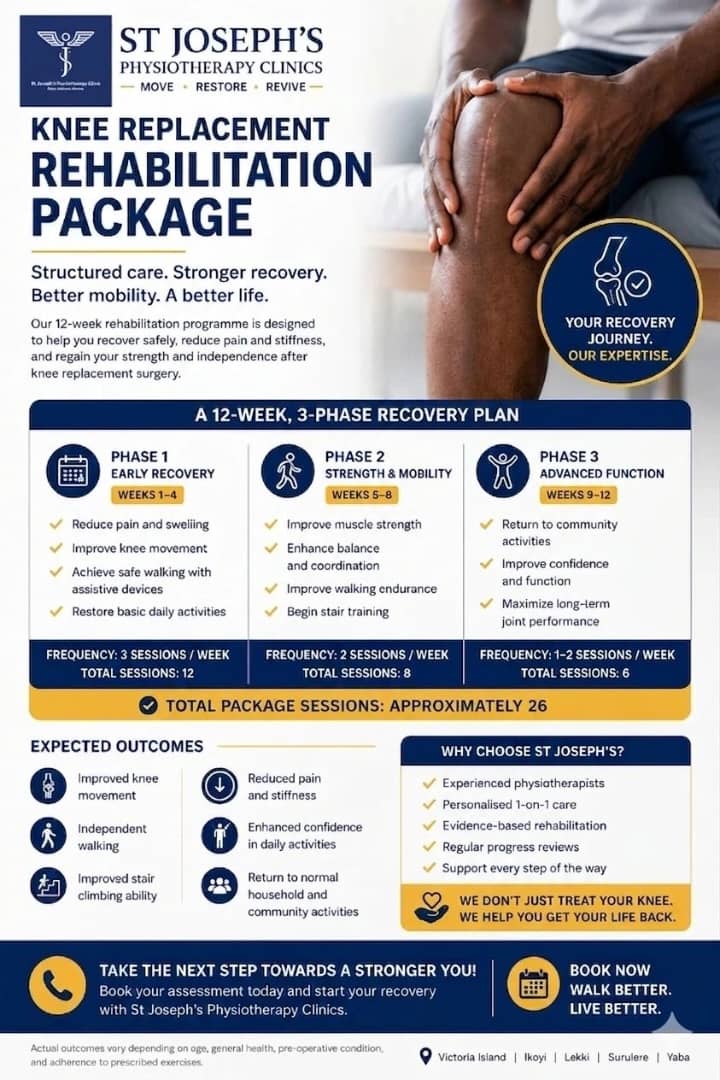
Complete Knee Replacement Rehabilitation Package in Lagos
Knee replacement surgery is a major step toward pain relief and improved mo…

NAMDA threatens strike over unpaid medical lecturers’ allowances
The Nigerian Association of Medical and Dental Academics (NAMDA) has warned…

Resident Doctors Signal End to Strike Threat After High-Level Talks with Gbajabiamila
The threat of a nationwide indefinite strike by the Nigerian Association of…