According to experts at a one-day symposium to commemorate the 2016 World Tuberculosis Day at the Nigerian Institute of Medical Research (NIMR), Lagos, Nigeria has a very high TB burden yet, only very few patients visit the clinic for treatment. In view of this, the NIMR Director General, Professor Innocent Ujah, in an interview with journalists, said the institute had commenced community services to initiate treatment in the community. FRANKA OSAKWE was there. Excerpts…
You mentioned earlier that tuberculosis is a disease of the poor. Why is that? It is tagged as a disease of poverty because it is most prevalent among the poor. If you go to the slumps, those are areas that are not conducive for human habitation but human beings stay there. Those who are well to do will not stay in those places, hence the risk of contracting TB is high if you live in ‘face-me-I-face-you’ building. You find that anybody who has TB and cough uncontrollably transmits it because it is an airborne disease. So clearly, it is a disease of poverty and another reason why it thrives among poor people is their level of immunity. People who are poor are deprived, they are not likely to eat well, their immunity goes down and they have other combined diseases, which will now aggravate the TB situation.
Therefore, it is a disease of poverty and we have to intervene to see how we can reduce poverty to improve the cases of tuberculosis. What are the symptoms of TB? If you are coughing uncontrollably for two weeks, if you cough blood, or maybe you are losing weight, sweating when others are cold and in some circumstances you don’t have appetite to eat. These are some of the symptoms and all you need is to go to a health facility and see your doctor and they will do clinical examinations, laboratory test and determine whether in fact you have it, if you have it, you will be treated. TB is a treatable and curable disease, yet the disease remains one of the world’s most deadly infectious conditions and is among the leading causes of death worldwide, particularly in the middle and low-income countries. In 2014, an estimated 9.6 million people globally fell ill with TB resulting in 1.5 million deaths. In addition, TB is the leading cause of death among people living with HIV/AIDS. What are the challenges of multidrugresistant TB? The emergence of multidrug-resistant (MDR) and extensively drug-resistant (XDR) TB has significantly eroded efforts to effectively treat and cure the disease. Patients infected with MDR-TB are required to take medication for 18 months to 2 years, making adherence to therapy a big challenge. According to the World Health Organization (WHO), among 480,000 cases of MDR-TB diagnosed in 2014, 190,000 (40%) died. Despite the progress made in responding to the global TB epidemic, a lot of work is still needed in order to reduce burden.
 Nearly 3 million people who develop TB every year are not diagnosed or notified. That is why ending the TB epidemics by 2030, is among the global health target of the Sustainable Development Goals (SDGs). What is NIMR’s contribution toward reducing TB burden in Nigeria? The Institutes’ TB laboratory, being a reference laboratory, is providing laboratory tests for the country. Given the last year’s mandate of the 2015 World TB Day to “Reach, treat and cure everyone”, the laboratory actively engaged health care facilities within the state in capacity building and quality assurance in the treatment and control of TB and multidrug resistance TB. The institute recorded a 4.4% increase in sample referrals to the lab. In 2015, a total of 2,030 patients sample, particularly sputum were sent in duplicates to the laboratory. In the area of molecular diagnostics in the diagnosis of TB, NIMR has facility such as GeneXpert (791tests) and Line Probe Assay (118tests), which is able to diagnose TB and RIF-resistant TB within two hours. In addition to providing clinical services, the laboratory undertook various research activities in collaboration with the TB/HIV and Immunology research groups of the institute as well as other partner network. Some of our ongoing studies includes; active TB drug resistance surveillance; multi-centre study with TB Centres of Excellence. This year, we have conceded to the well-articulated theme for this year’s World TB Day, which is “Unite to End TB”. In view of these, NIMR is collaborating with the national TB and Leprosy Control Programme, state governments, communities and partners, to find, treat and cure TB. Our efforts are focused on reducing TB, including multi-resistant TB, especially among the most vulnerable such as people living with HIV and children through our TB diagnostic services offered by our National TB reference laboratory, also treatment and follow-up at our DOT’s and ARV clinics, as well as capacity building, mentoring and supervisory oversight to the zonal TB reference laboratory.
 How do you intend to reach the people at the grassroots? We have started going to the Baales and other community leaders. If we don’t do that, we will not succeed. So we need to reach the communities through the Baales and other community leaders. We need to meet with them, make them understand and be convinced, it’s only when they understand and are convinced that they will open the gate to the community. The traditional rulers are the essential partners we have. That is one sure way of penetrating the community and making impact. My people are holding meetings with them and they will tell us where to go, what to do and how to go about it. That is the best way of entering the community. How soon are we expecting this? We have started. How responsive are the people They’ve been very receptive. You saw how one of them is here and gave his own goodwill message and told us that for us to succeed, we shouldn’t stay in the ivory tower and be prophesying, we should come to the community and let the traditional rulers and community rulers open the gate for us. What is the way forward to eliminating TB? Well this government has set aside over five billion Naira to deal with poverty, to empower people, to improve the social economic circumstances so that’s a way forward. The other thing is that we must have donor partners, NGO and philanthropies come to our aid. Some of the slumps that are there can be improved upon and even health education is very important. It is not enough for us to create awareness on TB only on 24th of March during the World TB Day.
We need to sustain the program at every opportunity. Also, the media has a strategic role to play in disseminating information on TB. We need to educate and inform the community, most people listens to radio, some watch TV when there is light. Are you going to be having free testing in the community or what? Yes, there’s going to be free testing and free treatment. And we think that the best thing to do is to go to the community because the number that we see in the clinics are limited. People may refuse to come to the clinic because of stigmatization, so we will go to them, take the service to them in the community. And we believe we will achieve a lot from this. So which of the communities are you starting from? We have to start from Lagos as a model or pilot State and then use the lessons we learnt to see how we can expand and train more people from other parts of the country so that they can go to the communities. Obviously, the number of TB cases in Nigeria is not reducing, why do you think it is thriving? Because poverty is on the increase, I have said that it is a disease of poverty. Poverty is not reducing, so TB is also increasing, they go hand-in-hand. Poverty is on the increase and people are not eating well, so their immunity goes down and they contract TB. Fortunately, treatment for TB is free, so we are appealing to people to come and get tested as soon as they experience any symptom.
By: Franka Osakwe
National Mirror News
ABUJA: Training Schedule for Basic Life Support BLS, Pediatric Advanced Life Support (PALS), Advanced Cardiovascular Life Support ACLS, First Aid, CPR, AED
PORTHARCOURT: Training Schedule for Basic Life Support BLS, Pediatric Advanced Life Support (PALS), Advanced Cardiovascular Life Support ACLS, First Aid, CPR, AED
LAGOS: Training Schedule for Basic Life Support BLS, Pediatric Advanced Life Support (PALS), Advanced Cardiovascular Life Support ACLS, First Aid, CPR, AED
STOP paying for airtime and electricity, Let your phone pay its bills with ScreenT
You may also like
Comrade Lemii Christian Emerges Chairman of NANNM Rivers State Branch in Historic Victory
PORT HARCOURT, NIGERIA Following the long awaited National Association of N…

FG Supports Robotic Surgery Expansion to Reduce Medical Tourism
Nigeria is taking another step toward strengthening specialised healthcare …
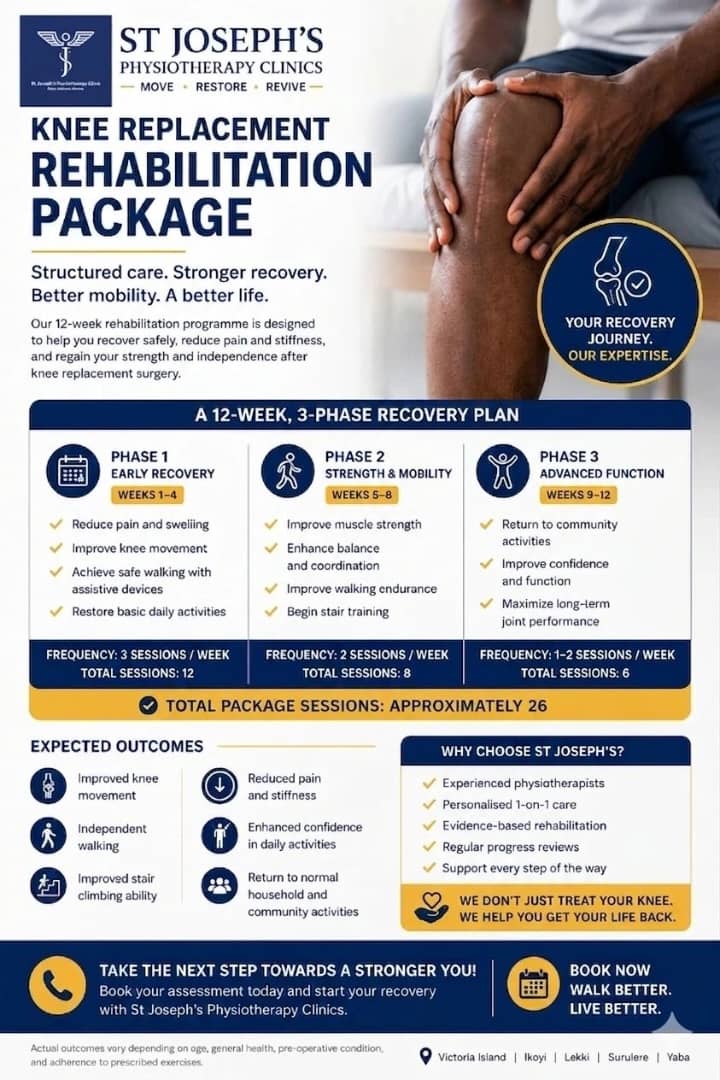
Complete Knee Replacement Rehabilitation Package in Lagos
Knee replacement surgery is a major step toward pain relief and improved mo…
NAMDA threatens strike over unpaid medical lecturers’ allowances
The Nigerian Association of Medical and Dental Academics (NAMDA) has warned…
Resident Doctors Signal End to Strike Threat After High-Level Talks with Gbajabiamila
The threat of a nationwide indefinite strike by the Nigerian Association of…