Like most 14-year-olds, Nihal Bitla loves playing computer games - and those who know him say he has bright eyes, a caring nature, and a child-like innocence. But his body is that of an elderly man, with wrinkled leathery skin, a bald enlarged head and withered limbs. He weighs 12.5kg - just under two stone - and is under 4 foot (1.2 m) in height. Nihal, who lives on the outskirts of Mumbai, India, suffers from a rare genetic disorder called Hutchinson-Gilford Progeria Syndrome (HGPS), which causes him to age eight times faster than normal.
While he currently loves painting and playing with his toys, in the upcoming years he may not be able to carry out his hobbies. His mind will remain young, but his body will age and his health will deteriorate. Nihal has already stopped going to school, after his classmates began teasing him. They called him Auro, a progeria patient played by Indian actor Amitabh Bachchan in the Bollywood movie Paa. When a fellow student told him he too would suffer a heart attack like Auro did in the movie, upset Nihal refused to go back.
Progeria sufferers have a genetic predisposition to heart disease, and their average lifespan is 14. Very few live past 20, according to medical literature.
 However, last December Nihal was sent to the Progeria Research Foundation in Boston, where he began undergoing clinical trials for a cancer drug that doctors hope will slow the ageing process. It is not known if his life expectancy will be lengthened, so in the meantime he is hoping to fulfil dreams such as meeting Honda's ASIMO robot and going to Disneyland in California.
 Progeria is very rare, with between 200 to 250 children living with the syndrome at any given time, according to The Progeria Research Foundation. The condition takes its name from the Greek word 'proeros', meaning prematurely old. It is caused by a genetic mutation in the gene LMNA, which is responsible for producing a protein that helps maintain the structural integrity of the nucleus in cells.
Without strength in the nucleus, the cell structure is weak and leads to rapid ageing.
SOURCE: http://www.dailymail.co.uk/
ABUJA: Training Schedule for Basic Life Support BLS, Pediatric Advanced Life Support (PALS), Advanced Cardiovascular Life Support ACLS, First Aid, CPR, AED
PORTHARCOURT: Training Schedule for Basic Life Support BLS, Pediatric Advanced Life Support (PALS), Advanced Cardiovascular Life Support ACLS, First Aid, CPR, AED
LAGOS: Training Schedule for Basic Life Support BLS, Pediatric Advanced Life Support (PALS), Advanced Cardiovascular Life Support ACLS, First Aid, CPR, AED
STOP paying for airtime and electricity, Let your phone pay its bills with ScreenT
You may also like

Comrade Lemii Christian Emerges Chairman of NANNM Rivers State Branch in Historic Victory
PORT HARCOURT, NIGERIA Following the long awaited National Association of N…

FG Supports Robotic Surgery Expansion to Reduce Medical Tourism
Nigeria is taking another step toward strengthening specialised healthcare …
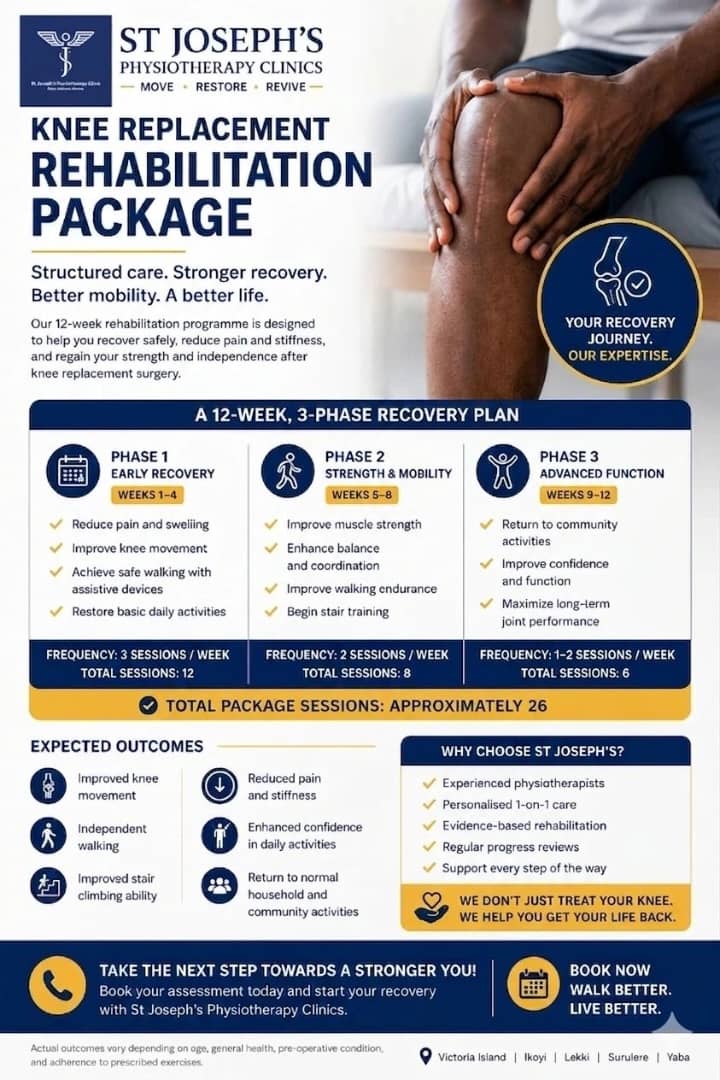
Complete Knee Replacement Rehabilitation Package in Lagos
Knee replacement surgery is a major step toward pain relief and improved mo…

NAMDA threatens strike over unpaid medical lecturers’ allowances
The Nigerian Association of Medical and Dental Academics (NAMDA) has warned…

Resident Doctors Signal End to Strike Threat After High-Level Talks with Gbajabiamila
The threat of a nationwide indefinite strike by the Nigerian Association of…