Men with advanced prostate cancer could be checked for high-risk family genes because they are fairly common, affect treatment and can be passed on to the children, say. experts.
According to international researchers, more than one in every 10 men with the advanced disease carries a faulty gene, inherited from a parent. One of the genes is already linked to breast and ovarian cancer.
 The study in the journal NEJM, is the largest of its kind till date. It included nearly 700 patients suffering from aggressive prostate cancer and found that a "significant proportion" of these men are born with mutant DNA. Men with these genes may benefit from newer drug treatments that exploit the damaged genetic code to locate and kill off cancer cells.
 One in eight men will get prostate cancer in their lifetime that is 47,000 men diagnosed with the disease every year in the UK. Some prostate tumours are very slow growing and may never cause any symptoms or harm. Others - about a third - are faster growing and can be lethal.
Researchers have been looking for ways to better recognise which cancer will be more problematic and they believe looking at a person's genes could help. Prof Johann de Bono, from London's Institute of Cancer Research, and colleagues used a saliva test to check the DNA of the 692 men with advanced prostate cancer who took part in their study.
About 12% of the men were found to have inherited DNA mutations that the experts say could be the root cause of their cancer. Prof de Bono believes identifying patients in this way could improve treatment.
Source: Daily Sun News
ABUJA: Training Schedule for Basic Life Support BLS, Pediatric Advanced Life Support (PALS), Advanced Cardiovascular Life Support ACLS, First Aid, CPR, AED
PORTHARCOURT: Training Schedule for Basic Life Support BLS, Pediatric Advanced Life Support (PALS), Advanced Cardiovascular Life Support ACLS, First Aid, CPR, AED
LAGOS: Training Schedule for Basic Life Support BLS, Pediatric Advanced Life Support (PALS), Advanced Cardiovascular Life Support ACLS, First Aid, CPR, AED
STOP paying for airtime and electricity, Let your phone pay its bills with ScreenT
You may also like
Comrade Lemii Christian Emerges Chairman of NANNM Rivers State Branch in Historic Victory
PORT HARCOURT, NIGERIA Following the long awaited National Association of N…

FG Supports Robotic Surgery Expansion to Reduce Medical Tourism
Nigeria is taking another step toward strengthening specialised healthcare …
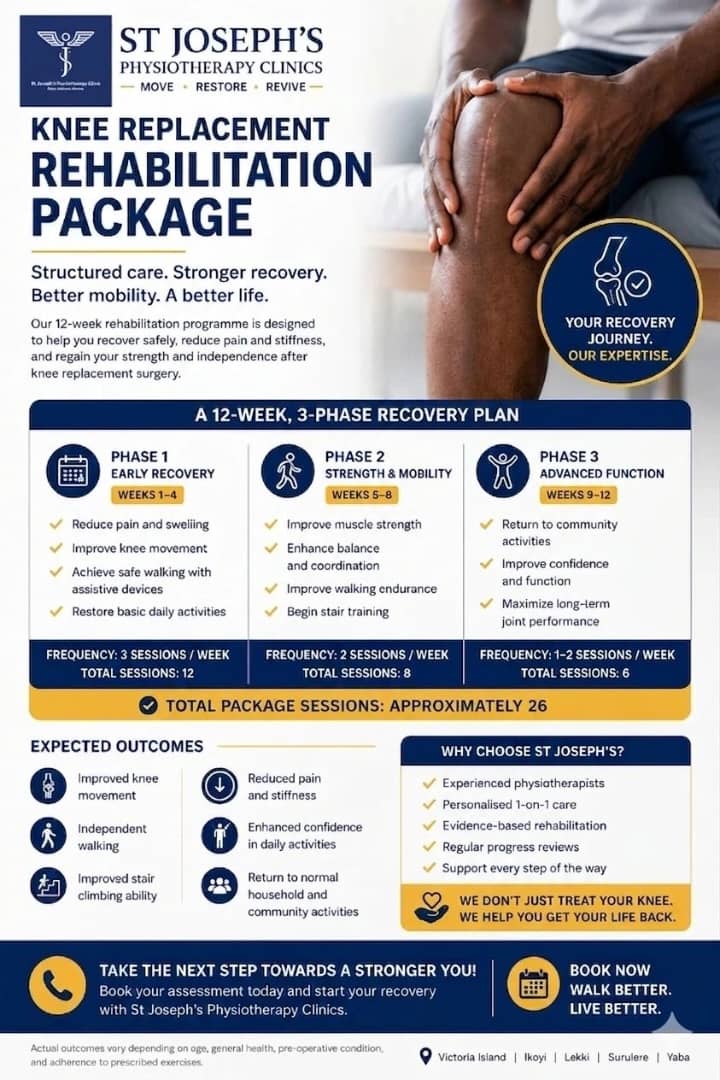
Complete Knee Replacement Rehabilitation Package in Lagos
Knee replacement surgery is a major step toward pain relief and improved mo…

NAMDA threatens strike over unpaid medical lecturers’ allowances
The Nigerian Association of Medical and Dental Academics (NAMDA) has warned…

Resident Doctors Signal End to Strike Threat After High-Level Talks with Gbajabiamila
The threat of a nationwide indefinite strike by the Nigerian Association of…