Sleep is a key part of a healthy lifestyle, and can benefit your heart, weight, mind, and more. In fact, multiple studies have shown that if you get enough sleep, you will be happier, healthier, and have an enhanced memory.
How much sleep do we need?
According to the American Sleep Association, the amount of sleep each person needs depends on many factors, including age. Infants generally require about 16 hours a day, while teenagers need about nine hours on average. For most adults, seven to eight hours a night appears to be the best amount of sleep.
On a lighter note, sleeping for seven to eight hours a day implies that you are going to be unconscious for a third of the day. So, by the time you are 60 years old, you would have spent 20 years sleeping.
This idea created a misconception which I carried for several years. During this period, I believed that the time spent in sleeping was a waste of quality time that I could have used to achieve a few more goals. In fact, I put so much energy into my work and even ‘borrowed’ from my sleep time! On some occasions, I did not even sleep for up to three straight days.
I had to slow down a bit when I found out that I was burning out, and my work load did not seem to reduce.
A Yoruba proverb says “We met work on earth and we will still leave work on earth.” Another adage says “The reward for hard work is more work.” So, be guided.
Tips to getting a good sleep
Getting a good sleep may be challenging because, sometimes, you close your eyes with the intention to have some sleep. But flashes of deadlines, uncompleted tasks, financial obligations, etc., keep racing through your mind. You need to wind down your body and shift the ‘gear’ into sleep mode.
Taking time to turn off the ‘noise’ of the day can be achieved by putting aside every assignment, touchy discussions, or complicated decisions for at least an hour before bed time. If you’ve still have a lot on your mind, jot it down and let go for the night.

Switch off your cell phones, television, bedroom lights, and other distractions so that you can shift into sleep mode. The type of light emanating from these devices activates the brain and moves sleep further away.
Ensure that the location is good, the posture is right and your mattress and pillow are comfortable and supportive. In addition, avoid caffeinated beverages such as coffee and energy drinks. These substances are stimulants, and they may affect your ability to sleep well.
Also, avoid eating heavy or spicy meals at least one hour before going to bed because these foods can cause discomfort from indigestion and can make it hard to sleep.
How to know that you are not having enough sleep
Experts say that if you feel drowsy during the day, even during boring activities, you haven’t had enough sleep. If you routinely fall asleep within five minutes of lying down, you probably have severe sleep deprivation,
Don’t drive when you feel sleepy
Sleep deprivation is dangerous. In fact, a recent study was carried out in which sleep-deprived people were tested by using a driving simulator. They had the same result as those who are intoxicated. This implies that driving sleepy is like driving drunk. Both are a common cause of serious accidents that result in injuries and deaths.
Caution with sleep-inducing medication
If you feel very sleepy or you have used medications that have caused some degree of drowsiness, please do not drive. Rather, use public transport or appeal to a friend to take you home. Warning signs of drowsiness include difficulty keeping your eyes open, the inability to keep your head up, daydreaming, drifting from your lane, or tailgating.
Be cautious with sleeping pills
Please, do not abuse the use of sleeping pills because they can become habit-forming, and they may have side effects. Ideally, these pills should be a short-term solution while you make lifestyle changes for better sleep.
Animals, too, love sleep
It is also interesting to know that animals, including fishes, crave good sleep. For example, dolphins can slumber with just half of their brains asleep, while the other half remains awake. Horses and cows can sleep standing up, giraffes can go weeks without taking a nap, the African Papio baboons sleep while standing to avoid predators, and bats sleep upside down.
Pay your debt into your ‘sleep bank’
This weekend, ensure you pay back some of your ‘sleep debt.’ Put that assignment aside and give yourself a sleep treat. This will enhance rejuvenation.
Have a splendid week.
By Olufemi Oboye
The Punch
ABUJA: Training Schedule for Basic Life Support BLS, Pediatric Advanced Life Support (PALS), Advanced Cardiovascular Life Support ACLS, First Aid, CPR, AED
PORTHARCOURT: Training Schedule for Basic Life Support BLS, Pediatric Advanced Life Support (PALS), Advanced Cardiovascular Life Support ACLS, First Aid, CPR, AED
LAGOS: Training Schedule for Basic Life Support BLS, Pediatric Advanced Life Support (PALS), Advanced Cardiovascular Life Support ACLS, First Aid, CPR, AED
STOP paying for airtime and electricity, Let your phone pay its bills with ScreenT
You may also like
Comrade Lemii Christian Emerges Chairman of NANNM Rivers State Branch in Historic Victory
PORT HARCOURT, NIGERIA Following the long awaited National Association of N…

FG Supports Robotic Surgery Expansion to Reduce Medical Tourism
Nigeria is taking another step toward strengthening specialised healthcare …
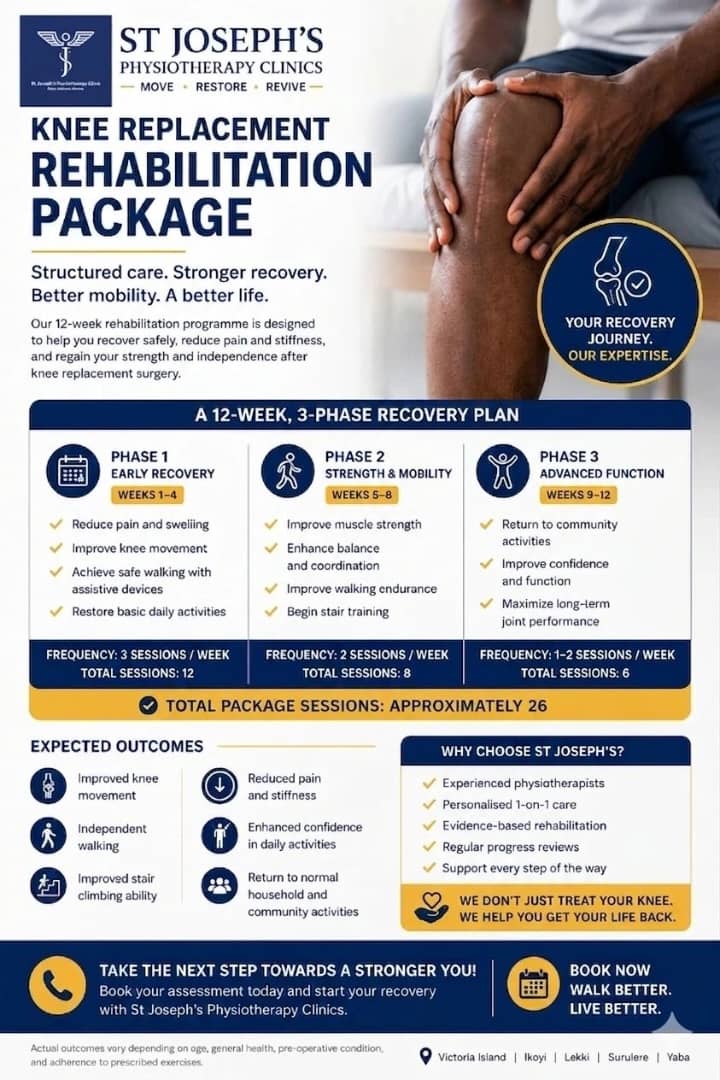
Complete Knee Replacement Rehabilitation Package in Lagos
Knee replacement surgery is a major step toward pain relief and improved mo…

NAMDA threatens strike over unpaid medical lecturers’ allowances
The Nigerian Association of Medical and Dental Academics (NAMDA) has warned…

Resident Doctors Signal End to Strike Threat After High-Level Talks with Gbajabiamila
The threat of a nationwide indefinite strike by the Nigerian Association of…