Eating just two teaspoons of salt a day damages the heart, new research suggests. Having a sodium intake of 3.73 grams, the equivalent of around two teaspoons of salt, is associated with larger heart chambers, a study found.
Previous research suggests hearts become enlarged when the muscle is overworked due to an underlying condition, such as high blood pressure. Such a salt intake also increases strain on the heart's muscle and boosts its beating rate, the research adds. These results are thought to be due to salt's impact on blood pressure, which previous research reveals is linked to heart attacks, stroke and kidney disease.
The CDC and NHS both recommend adults eat no more than around one-and-a-quarter teaspoons of salt a day, which is easily exceeded if people eat ready-prepared food.
.jpg) UP TO 67% OF HEART PATIENTS AT RISK OF DEADLY BLEEDS BY WRONGLY BEING PRESCRIBED ANTICOAGULANTS
UP TO 67% OF HEART PATIENTS AT RISK OF DEADLY BLEEDS BY WRONGLY BEING PRESCRIBED ANTICOAGULANTS Up to 67 per cent of heart patients are being put at risk of bleeding by wrongly being prescribed anticoagulants, research revealed last month. Patients with an irregular heartbeat who are at risk of bleeding are almost just as likely to be prescribed anticoagulants as those without such concerns, a study found.
After studying patients with an irregular heartbeat, known as atrial fibrillation (AF), for 12 years, researchers found up to 67.2 per cent were prescribed anticoagulants against medical advice, compared to up to 67.7 per cent who were actually eligible for such treatment.
Anticoagulants, such as warfarin, reduce a patient's risk of stroke by making blood less likely to clot. Yet, these drugs can cause bleeding in certain people.
Study author Professor Tom Marshall from the University of Birmingham, told MailOnline: 'Anticoagulants can cause a bleed, which may be internal and require a transfusion in hospital. It could also be fatal in some cases.'
How the study was carried out
Researchers from Harvard University analyzed the association between sodium intake and heart outcomes in 2,996 people with an average age of 49. They estimated sodium intake by examining the participant's urine. The researchers carried out ultrasound tests to determine the participant's heart's structure.
Salt increases muscle strain and heart rate. Results reveal that the study participants' average daily sodium intake of 3.73 grams is associated with larger heart chambers. Previous research has suggested hearts become enlarged when the muscle has to work harder than it should, which implies an underlying condition, such as high blood pressure.
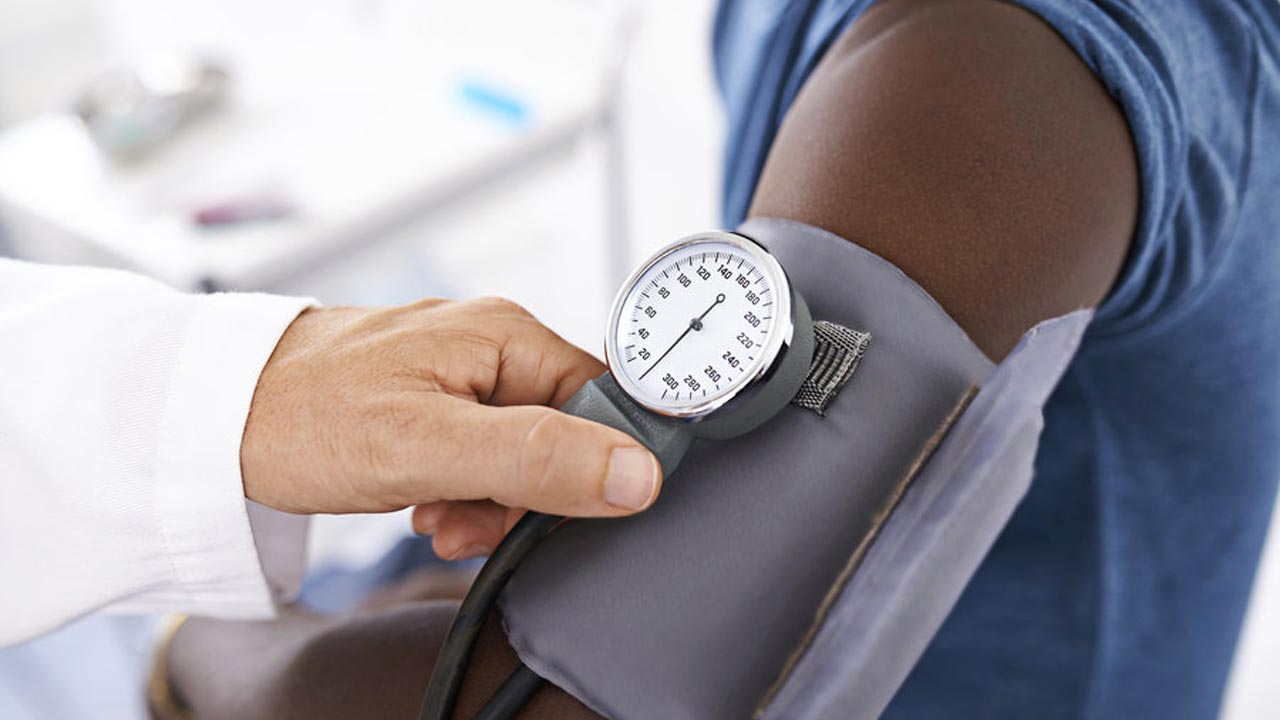
High blood pressure puts a strain on the heart, arteries, kidneys and brain, which can lead to heart attacks, strokes and kidney disease.
The authors wrote: '[A sodium intake of] >3.7 g/day is associated with adverse cardiac remodeling, and worse strain and velocity.' The findings were published in the Journal of the American College of Cardiology.
By Alexandra Thompson Health Reporter For Mailonline
ABUJA: Training Schedule for Basic Life Support BLS, Pediatric Advanced Life Support (PALS), Advanced Cardiovascular Life Support ACLS, First Aid, CPR, AED
PORTHARCOURT: Training Schedule for Basic Life Support BLS, Pediatric Advanced Life Support (PALS), Advanced Cardiovascular Life Support ACLS, First Aid, CPR, AED
LAGOS: Training Schedule for Basic Life Support BLS, Pediatric Advanced Life Support (PALS), Advanced Cardiovascular Life Support ACLS, First Aid, CPR, AED
STOP paying for airtime and electricity, Let your phone pay its bills with ScreenT
You may also like

Doctor Dies of Lassa Fever as Death Toll Exceeds 200: Renewed Call for Stronger Disease Control Measures
The death of a medical doctor from Lassa fever in Benue State has reignited…
BEYOND NEGLECT: OUR ADVOCACY IS FORGING A TRANSFORMED PROFESSION
BEYOND NEGLECT: OUR ADVOCACY IS FORGING A TRANSFORMED PROFESSIONTo all memb…
Nigeria Moves Closer to Eliminating River Blindness, Says NIMR
The Nigerian Institute of Medical Research (NIMR) has expressed renewed opt…
Nigeria’s Silent Crisis: Confronting the Realities of Hypertension and Diabetes
Amidst Nigeria’s wide-ranging public health challenges, two chronic conditi…

The Practicality and Benefits of Paying Ward Coat Allowance to Medical Professionals
In the evolving landscape of medical education and healthcare practices, th…