The recent revelation by the World Health Organisation (WHO) that one out of every six Africans suffers from mental disorder is worrisome. The agency’s Regional Director for Africa, Dr. Matshidiso Moeti, who disclosed this alarming figure in a message marking this year’s World Mental Health Day, decried the inability of many of those battling the condition on the continent to get the required attention and treatment.
The theme of this year’s World Mental Health Day, which was marked on October 10, is “Dignity in mental health.” According to Moeti, it draws attention to the crucial need to ensure that dignity is preserved in all aspects of mental health. This ranges from care for patients to the attitude of the general public to the mentally ill.
Apart from the high incidence of mental disorder in Africa, Moeti lamented the subjection of some of the affected persons to undignified treatment. Some of the patients are chained to trees or beds, while others are locked up, left without food for many hours, deprived from family support and not afforded adequate personal hygiene.
Decrying this unwholesome situation, Moeti reiterated that mental health patients deserve respect and compassion as they cope with the disease, just like those who suffer from other diseases.
 Despite the fact that some countries in Africa have implemented measures to improve awareness, restore dignity and increase access to mental health services at all levels of their health care systems, the promotion of good mental health and understanding of its challenges, together with early detection, treatment and dignity for patients, are still concerns in many countries in the region.
 Nigeria is one of the countries with a high incidence of mental illness in Africa. According to the Director of WHO Collaborating Centre for Research and Training, Professor Oye Gureje, one in seven adult Nigerians will have one form of mental disorder or the other in their lifetime.
Gureje, at a media event organised by Mental Health Awareness Advocacy Foundation of Nigeria to mark the 2015 World Mental Health Day, observed that cases of mental disorder are on the increase in many Nigerian communities as a result of poverty, conflicts, insurgencies and disasters.
The expert also disclosed that neuropsychiatric disorders are common and are also among the most disabling health conditions to the extent that its burden far outweighs that of HIV/AIDS, tuberculosis or diabetes.
Figures from some studies in Nigeria have shown that between 0.5 per cent and 0.7 per cent of Nigerians are reported to be psychotic while 10 per cent experience depression.
Less than 20 per cent of persons with mental disorder receive any effective treatment in the country. This is due to insufficient manpower and resources.
In Europe and North America, the ratio of psychiatrists to the population is 1 to 10,000 but it is less than 1 to one million people in sub-Saharan Africa countries, including Nigeria.
We lament the increasing cases of mental disorder in African countries, including Nigeria, and call on health authorities on the continent to accord mental health issues a pride of place in their health care systems.
Health authorities in Nigeria should also rise to the occasion by training more psychiatrists and other mental health professionals that are needed to serve the increasing number of affected persons in the country.
The public should stop stigmatizing people suffering mental disorder. Like other disease sufferers, they deserve respect and dignity during treatment and after. Persons with mental problems should not be targets of emotional and physical abuse as is presently the case in Nigeria. There should be legislation to protect the rights and dignity of these patients, wherever they are not in place already.
We appeal to government at all levels to increase awareness of the condition as well as access to treatment. Since early detection and treatment go a long way in reducing the challenge, persons who are suspected to have the condition should be helped to access the necessary mental health services to ensure quick intervention by professionals.
Source: Sun News
ABUJA: Training Schedule for Basic Life Support BLS, Pediatric Advanced Life Support (PALS), Advanced Cardiovascular Life Support ACLS, First Aid, CPR, AED
PORTHARCOURT: Training Schedule for Basic Life Support BLS, Pediatric Advanced Life Support (PALS), Advanced Cardiovascular Life Support ACLS, First Aid, CPR, AED
LAGOS: Training Schedule for Basic Life Support BLS, Pediatric Advanced Life Support (PALS), Advanced Cardiovascular Life Support ACLS, First Aid, CPR, AED
STOP paying for airtime and electricity, Let your phone pay its bills with ScreenT
You may also like
Comrade Lemii Christian Emerges Chairman of NANNM Rivers State Branch in Historic Victory
PORT HARCOURT, NIGERIA Following the long awaited National Association of N…

FG Supports Robotic Surgery Expansion to Reduce Medical Tourism
Nigeria is taking another step toward strengthening specialised healthcare …
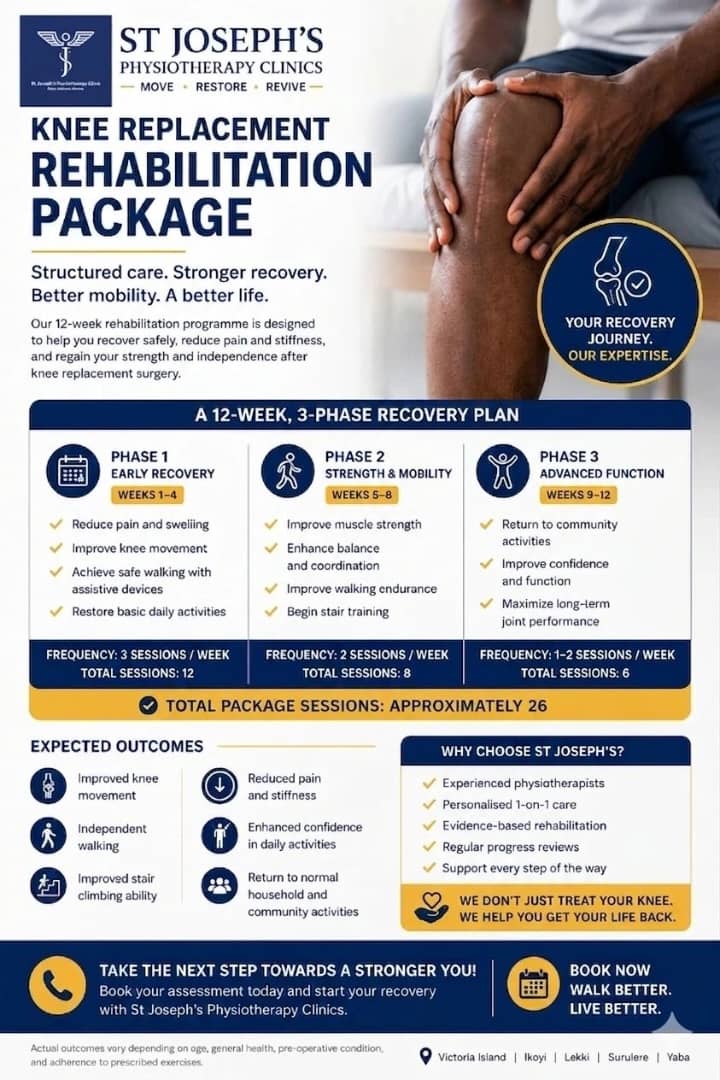
Complete Knee Replacement Rehabilitation Package in Lagos
Knee replacement surgery is a major step toward pain relief and improved mo…

NAMDA threatens strike over unpaid medical lecturers’ allowances
The Nigerian Association of Medical and Dental Academics (NAMDA) has warned…

Resident Doctors Signal End to Strike Threat After High-Level Talks with Gbajabiamila
The threat of a nationwide indefinite strike by the Nigerian Association of…