Life is void without a purpose. I want to believe that the distinguishing characteristic of individuals who have made unique contributions to their world is their passion to serve others.
Abraham Maslow captured this fact in his theory of hierarchy of needs, which places self-transcendence at the pinnacle of all desires for self-development.
I recall that I once described Nelson Mandela, for example, as an epitome of robust mental well-being. I argued that the characteristic that sets such men apart is rooted in their ability to transcend the narrow confines of self in the service of others.
Nigeria, at this point, needs leaders who do not require defined political or bureaucratic offices to render service to the society.
Maslow, however, argued that no human being can move through the lowest rung of the hierarchy of needs to the highest point of self-transcendence through inner motivation, which he called meta-motivation.
.jpg) What this means is that we cannot continue to indulge ourselves, our appetites and ego, whether as leaders or followers, in the country and achieve greatness. There are so many needs to be addressed in this country that no one should be lost in mindless self-indulgence. Mental health is a crucial issue in this nation and no one can afford to be a spectator.
What this means is that we cannot continue to indulge ourselves, our appetites and ego, whether as leaders or followers, in the country and achieve greatness. There are so many needs to be addressed in this country that no one should be lost in mindless self-indulgence. Mental health is a crucial issue in this nation and no one can afford to be a spectator. There is actually no family without an individual with a mental health challenge. It could be a child that was born through a difficult and prolonged delivery process who has since not being able to function intellectually at a level commensurate with his age.
When some mothers do not receive proper care during pregnancy, it results in the birth of babies afflicted with complications that could affect their mental functioning. Our adolescents and young adults are perennially subjected to media attacks and other strange influences that lure a number of them into dangerous habits that damage their mental health.
Those vulnerable and immature minds get involved in the abuse of dangerous mind-bending drugs that invariably damage their minds and destroy the attainment of a bright future.
The rate at which the youth indulge in the consumption of marijuana and other psychoactive drugs, such as cough syrups laced with codeine, pentazocine injections, alcohol and other alternatives to cocaine that are cheap and readily available is alarming. This renders a good number of them vulnerable to violence, cyber crime, armed robbery and many other forms of anti social behaviour.
Our immediate neighborhood is populated with unemployed youths that indulge in hard drugs and pose as serious threats to our collective security. There is an increase in mid-life crisis due to inordinate pressure to achieve material or political or economic fame in the absence of due process.
Nowadays, mid life is characterized by drug abuse, undiagnosed and masked bouts of mental illness, especially illness caused by depression arising from marital difficulty or business failure and complicated by the excessive consumption of alcohol.
Folks enter mid-life and beyond with many issues that may affect their mental health in the future. The rising incidence of non-communicable diseases, such as hypertension, heart conditions, obesity and kidney problems at mid-life is linked to major lifestyle changes with strong mental health undertones.
In retirement, the old may suffer from various forms of mental health challenges due to bad socioeconomic conditions, ageing process, hereditary factors and medical conditions. Imagine what happens if a retiree, whose children are unemployed, is deprived of his pension.
Stroke can actually cause dementia; a medical condition where the individual loses memory and cannot function effectively.
There are different kinds of mental health challenges in the workplace that have not been adequately addressed due to poor remuneration, psychological bullying and poorly defined working conditions.
Everyone is a stakeholder in ensuring sound mental health for the society since no one is potentially spared. Neighbourhood groups can organise mental health campaign and rehabilitation programs. Prominent clubs and unions can undertake the rehabilitation of the homeless and mentally ill in the community. Our corporate organisations may need to take the issue of mental health in the workplace and in the larger society seriously as it is tied to their ultimate survival and productivity. To advocate in this context simply means to lend support to these vulnerable group of individuals in many ways and prevent more from coming down.
By: Adeoye Oyewole
Punch News
ABUJA: Training Schedule for Basic Life Support BLS, Pediatric Advanced Life Support (PALS), Advanced Cardiovascular Life Support ACLS, First Aid, CPR, AED
PORTHARCOURT: Training Schedule for Basic Life Support BLS, Pediatric Advanced Life Support (PALS), Advanced Cardiovascular Life Support ACLS, First Aid, CPR, AED
LAGOS: Training Schedule for Basic Life Support BLS, Pediatric Advanced Life Support (PALS), Advanced Cardiovascular Life Support ACLS, First Aid, CPR, AED
STOP paying for airtime and electricity, Let your phone pay its bills with ScreenT
You may also like

Comrade Lemii Christian Emerges Chairman of NANNM Rivers State Branch in Historic Victory
PORT HARCOURT, NIGERIA Following the long awaited National Association of N…

FG Supports Robotic Surgery Expansion to Reduce Medical Tourism
Nigeria is taking another step toward strengthening specialised healthcare …
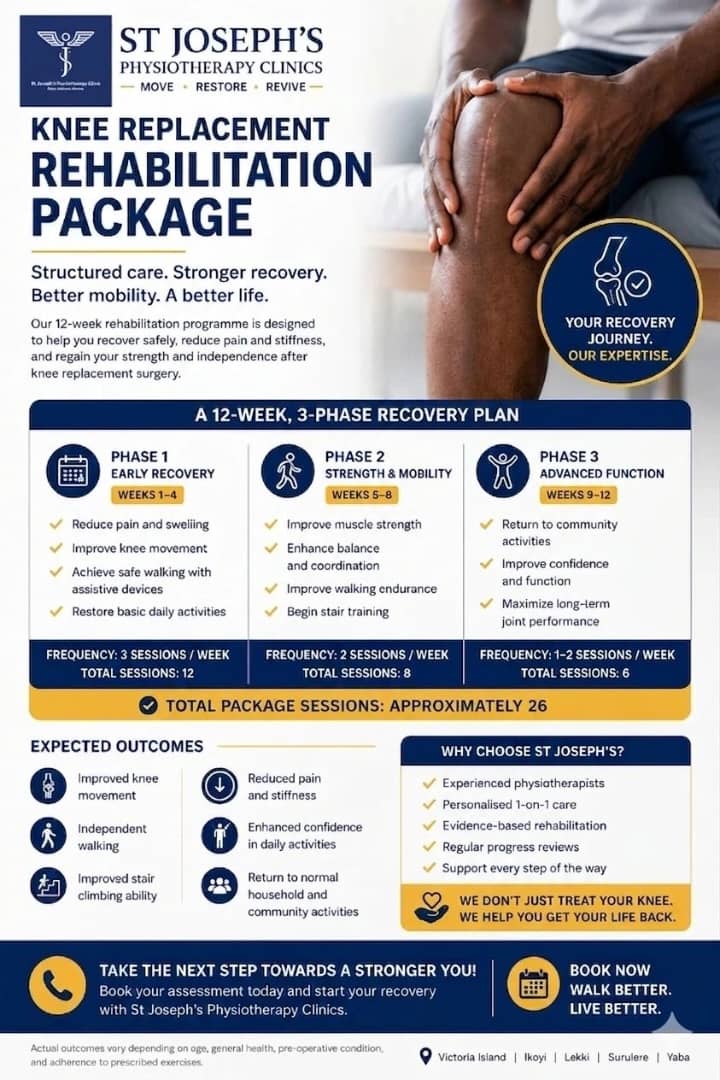
Complete Knee Replacement Rehabilitation Package in Lagos
Knee replacement surgery is a major step toward pain relief and improved mo…

NAMDA threatens strike over unpaid medical lecturers’ allowances
The Nigerian Association of Medical and Dental Academics (NAMDA) has warned…

Resident Doctors Signal End to Strike Threat After High-Level Talks with Gbajabiamila
The threat of a nationwide indefinite strike by the Nigerian Association of…