Having a lot of healthy social relationships during adolescence and late adulthood could help an individual lead a healthy life, said a new study. Published on Monday in the journal Proceedings of the National Academy of Sciences, the study provides new insight into how social connections can affect health throughout life.
The study is the first to link social relationships with measures of physical wellbeing such as abdominal obesity, inflammation, and high blood pressure, all of which can lead to heart diseases, stroke and cancer. The study not only provides new insights into the biological mechanisms that prolong life, but also shows how social relationships reduce health risks in each stage of life.
Specifically, the team found that the sheer size of a person’s social network was important for health in early and late adulthood. In adolescence, social isolation increased risk of inflammation by the same amount as physical inactivity, while social integration protected against abdominal obesity.
 In old age, social isolation was actually more harmful to health than diabetes on developing and controlling hypertension. In middle adulthood, it wasn’t the number of social connections that mattered, but what those connections provided in terms of social support or strain.
 “The relationship between health and the degree to which people are integrated in large social networks is strongest at the beginning and at the end of life,” said Professor Kathleen Mullan Harris. The researchers drew on data from four surveys of the United States population that covered the lifespan from adolescence to old age.
They evaluated three dimensions of social relationships – social integration, social support and social strain. They then studied how individual’s social relationships were associated with four markers shown to be key markers for mortality risk – blood pressure, waist circumference, body mass index (BMI) and circulating levels of C-reactive protein, which is a measure of systemic inflammation.
Another study published in the Journal PLoS Medicine in July 2019, found that a healthy social life may be as good for long-term health as avoiding cigarettes. The researchers at the Brigham Young University and the University of North Carolina at Chapel Hill, pooled data from 148 studies on health outcomes and social relationships – every research paper on the topic they could find, involving more than 300, 000 men and women across the developed world.
Source: New Telegraphs Online News
ABUJA: Training Schedule for Basic Life Support BLS, Pediatric Advanced Life Support (PALS), Advanced Cardiovascular Life Support ACLS, First Aid, CPR, AED
PORTHARCOURT: Training Schedule for Basic Life Support BLS, Pediatric Advanced Life Support (PALS), Advanced Cardiovascular Life Support ACLS, First Aid, CPR, AED
LAGOS: Training Schedule for Basic Life Support BLS, Pediatric Advanced Life Support (PALS), Advanced Cardiovascular Life Support ACLS, First Aid, CPR, AED
STOP paying for airtime and electricity, Let your phone pay its bills with ScreenT
You may also like

Comrade Lemii Christian Emerges Chairman of NANNM Rivers State Branch in Historic Victory
PORT HARCOURT, NIGERIA Following the long awaited National Association of N…

FG Supports Robotic Surgery Expansion to Reduce Medical Tourism
Nigeria is taking another step toward strengthening specialised healthcare …
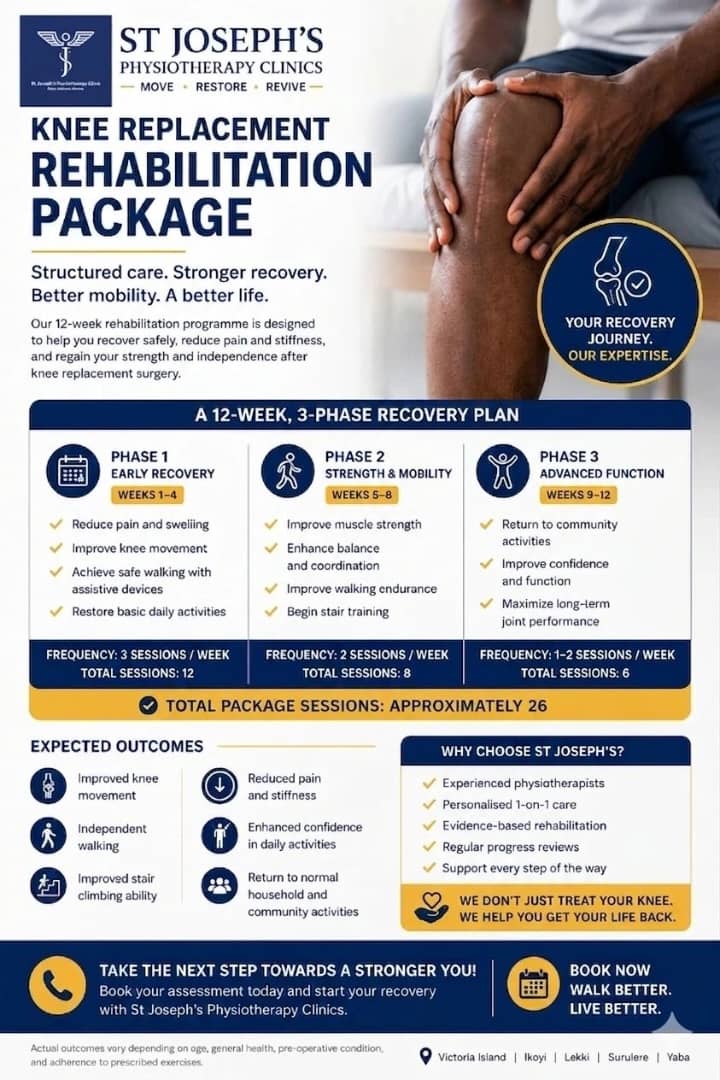
Complete Knee Replacement Rehabilitation Package in Lagos
Knee replacement surgery is a major step toward pain relief and improved mo…

NAMDA threatens strike over unpaid medical lecturers’ allowances
The Nigerian Association of Medical and Dental Academics (NAMDA) has warned…

Resident Doctors Signal End to Strike Threat After High-Level Talks with Gbajabiamila
The threat of a nationwide indefinite strike by the Nigerian Association of…