Researchers found having the optimal number of nurses available to care for patients in an acute stroke unit was the best predictor of survival – after other factors like age, blood pressure and the severity of the attack were taken into account. Just one additional trained nurse per 10 beds could reduce the chance of death after 30 days by up to 28%, according to the study. Meanwhile, the chance of death a year after someone had a stroke was cut by 12%. The study, by the University of Aberdeen and the University of East Anglia, was based on data from eight hospitals in the East of England concerning nearly 2,400 acute stroke patients.
The researchers examined a range of factors, including consultant numbers, hospital type and support on offer post discharge, and recorded survival rates at seven days, 30 days and one year.
 At each point, the ratio of nurses to patients could be used to predict whether or not the patient survived
 Lead author Phyo Myint, professor of old age medicine at Aberdeen University, admitted he was surprised by the findings, which are published in the journal Age and Ageing.
“We might expect more obvious aspects of healthcare to have a greater impact on survival, such as having a team to support early hospital discharge or the proportion of acute and rehab beds on the unit,” he said.
“Instead we found that, when controlling for other variables, an increasing nurse to patient ratio has a substantial effect on reducing likelihood of death after stroke,” he said. “This proved to be a very clear and consistent predictor of stroke survival.”
He worked with colleagues from Norfolk and Norwich University Hospital, Anglia Stroke and Heart Clinical Network and Addenbrooke’s Hospital in Cambridge to carry out the research, which was funded by the National Institute for Health Research’ Research for Patient Benefit programme.
Amanda Cheesley, professional lead for long-term conditions and end of life care at the Royal College of Nursing, said the study echoed other findings showing a clear link between the number of registered nurses and patient safety.
“It once more highlights the vital difference specialist nurses can make,” she said. “Too often senior and specialist nursing posts have been cut to save money, but their expertise and experience has a measurable positive impact.”
Source: www.nursingtimes.net
ABUJA: Training Schedule for Basic Life Support BLS, Pediatric Advanced Life Support (PALS), Advanced Cardiovascular Life Support ACLS, First Aid, CPR, AED
PORTHARCOURT: Training Schedule for Basic Life Support BLS, Pediatric Advanced Life Support (PALS), Advanced Cardiovascular Life Support ACLS, First Aid, CPR, AED
LAGOS: Training Schedule for Basic Life Support BLS, Pediatric Advanced Life Support (PALS), Advanced Cardiovascular Life Support ACLS, First Aid, CPR, AED
STOP paying for airtime and electricity, Let your phone pay its bills with ScreenT
You may also like
Comrade Lemii Christian Emerges Chairman of NANNM Rivers State Branch in Historic Victory
PORT HARCOURT, NIGERIA Following the long awaited National Association of N…

FG Supports Robotic Surgery Expansion to Reduce Medical Tourism
Nigeria is taking another step toward strengthening specialised healthcare …
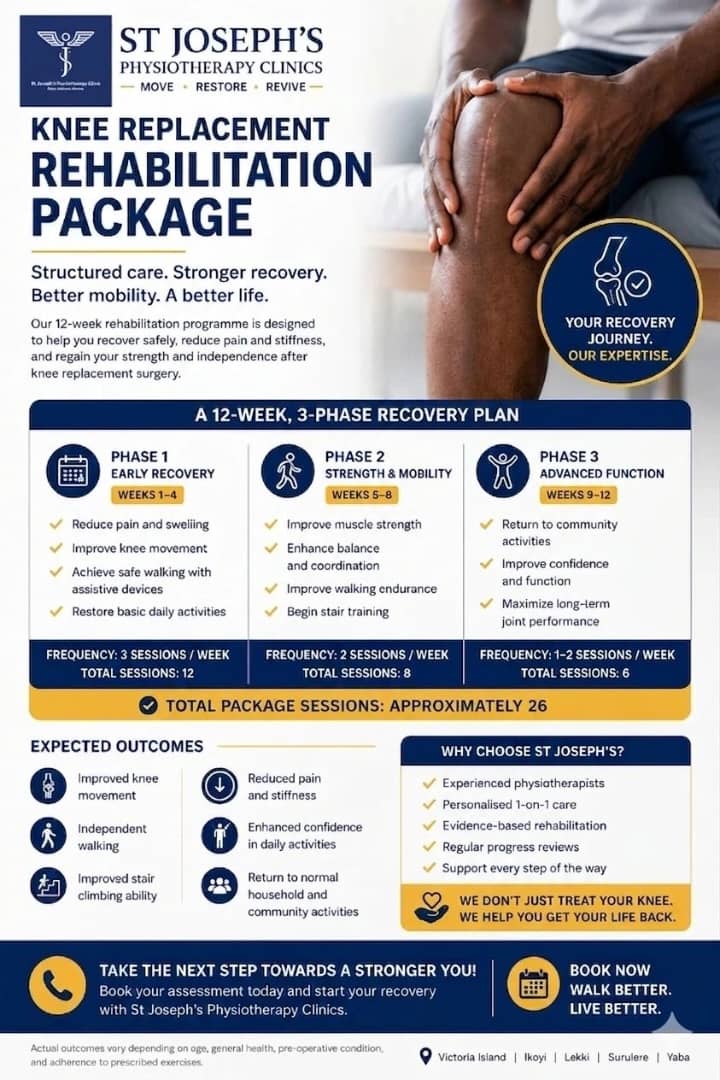
Complete Knee Replacement Rehabilitation Package in Lagos
Knee replacement surgery is a major step toward pain relief and improved mo…

NAMDA threatens strike over unpaid medical lecturers’ allowances
The Nigerian Association of Medical and Dental Academics (NAMDA) has warned…

Resident Doctors Signal End to Strike Threat After High-Level Talks with Gbajabiamila
The threat of a nationwide indefinite strike by the Nigerian Association of…
