'THE verdict is out: Most food and drink products are laden with sugar and are killing the human race softly.
From soft drinks or rather carbonated drinks to fruit juices, baby foods, beverages, biscuits to cereals are all sugar-based.
In fact, a new study has warned that poor diet is the biggest contributor to early deaths across the world.
Sugar has been identified as the key driving force behind obesity and associated ill health including type 2 diabetes, heart attacks, some types of cancer and tooth decay in children.
Experts said 21 per cent of global deaths could be attributed to diets high in red meat and sugary drinks, and lacking in fruit, vegetables and whole-grains.
Eating in a new study published in The Lancet said unhealthily contributes to the most deaths worldwide by triggering ailments including heart disease, stroke and diabetes.
The top risks associated with the premature deaths of both men and women are high blood pressure, smoking, high body mass index (BMI), and high blood sugar levels, researchers found.
But the greatest cumulative affect on health comes from poor diet, they warned.
The team looked at 14 dietary risk factors, including the consumption of fruits, vegetables, whole-grains, nuts and seeds, milk, processed meat, sugary drinks, fibre, calcium, salt, seafood and different types of fat An earlier study published in June 2015 edition ofthe journal Circulation found that sodas and other sugary drinks may cause up to 184,000 deaths a year worldwide.
Billed as a first, the report analyzed the global risks of death due to diabetes, cardiovascular diseases and cancers linked to the consumption of sugary drinks.
Researchers estimated that around 133,000 people died from diabetes due-to the consumption of what the report called "sugar-sweetened beverages." Around 45,000 people died globally from cardiovascular diseases arising from sugary drink consumption and 6,450 people died from cancers linked to the beverages, researchers estimated.
"Many countries in the world have a significant number of deaths occurring from a single dietary factor, sugar-sweetened beverages. It should be a global priority to substantially reduce or eliminate sugar-sweetened beverages from the diet," said study author Dariush Mozaffarian from Tufts University in Boston, United States.
Mexico had the highest death rate due to sugary beverages with a rate of 450 deaths per million adults, the report said. It was followed by the United States with us estimated deaths per million adults.

Researchers also said the general quantity of sugar available in a nation correlated with the country's frequency of diabetes, cardiovascular disease and cancer. The report also found 76 percent of deaths related to soda and other sugary drink consumption occurred in low to middle income countries. Fruit juices were not included in the research, which analyzed 62 dietary surveys conducted between 1980 and 2010 in 51 countries.
Meanwhile, some people are actively cutting back on sugar following warnings from health experts that it is 'the new tobacco'.
New consumer research in the United Kingdom (UK) found 62 per cent of consumers are actively looking to reduce sugar in their diets. Of those, a fifth claim to have stopped eating all sugary products while 75 per cent claim to be buying fewer.
Almost half of the people who have changed their eating habits have ditched sugary fizzy drinks and a third have cut down on fruit juice. Around one in three are buying more low or no-sugar food products such as reduced-sugar tomato ketchup.
The figures confirm the results of a study by the Food Standards Agency (FSA), which found that sugar has become the number one food issue for consumers for the first time. Adults should restrict the amount of sugar in their diet to just seven teaspoons or cubes a day - half what is currently recommended, experts advised the Government.
The ScientificAdvisoryComrnittee on Nutrition (SACN) said the move, which will mean a can of Coke is more than a person's daily sugar allowance, is vital if we are to try and combat spiralling obesity levels and
stem the diabetes crisis.
The new advice says children aged 11 or over and adults should consume no more than seven tea-spoons of added sugar a day - 30g, equal to less than a single can of Coca-Cola, which contains 39g.
Children should consume much less than that. The report recommends no more than 199 for children aged four to six (around the amount of sugar in a pouch of Capri Sun) and no more than 24g for children aged seven to 10 (around the amount of sugar in a Snickers bar).
Reducing sugar intake for children will help lower the risk of tooth decay - the primary reason for children being admitted to hospital.
The advice considers free sugars, those which are added to food. They include sucrose or table sugar, glucose and those naturally present in honey, syrups and unsweetened fruit juices. Some 51 per cent listed sugar as a concern, putting it ahead of food waste at 49 per cent, salt at 47 per cent animal welfare at 43 per cent and prices at 42 per cent.
Significantly, it said women were more likely to report concern about each individual wider food issue with 54 per cent of women raising sugar as a concern compared to 48 per cent of men.
Last month, British Government advisors published new guidelines calling on adults to halve their sugar intake to 30g a day - just seven teaspoons.
At the same time, Simon Stevens, chief executive of National Health Service (NHS) England, said con-cerns about high sugar consumption means there was 'absolutely no reason' that children should
drink fizzy drinks.
This message appears to be having a profound effect in terms of what women, in particular, are thinking aboutwhen they are touring the supermarket aisles.
The new research on the boycott of sugar was conducted for The Grocer magazine by consultants Bridgethorne.
Its joint managing director, John Nevens, said: "What is clear from the findings is that the demand and need for lower-sugar products will not subside.
"Sugar is clearly the biggest concern, perhaps indicating a long term shift in shopper and consumer behaviour attitudes, which suggests many product changes in grocery."
By ChukWuma Muanya
The Guardian
ABUJA: Training Schedule for Basic Life Support BLS, Pediatric Advanced Life Support (PALS), Advanced Cardiovascular Life Support ACLS, First Aid, CPR, AED
PORTHARCOURT: Training Schedule for Basic Life Support BLS, Pediatric Advanced Life Support (PALS), Advanced Cardiovascular Life Support ACLS, First Aid, CPR, AED
LAGOS: Training Schedule for Basic Life Support BLS, Pediatric Advanced Life Support (PALS), Advanced Cardiovascular Life Support ACLS, First Aid, CPR, AED
STOP paying for airtime and electricity, Let your phone pay its bills with ScreenT
You may also like

Comrade Lemii Christian Emerges Chairman of NANNM Rivers State Branch in Historic Victory
PORT HARCOURT, NIGERIA Following the long awaited National Association of N…

FG Supports Robotic Surgery Expansion to Reduce Medical Tourism
Nigeria is taking another step toward strengthening specialised healthcare …
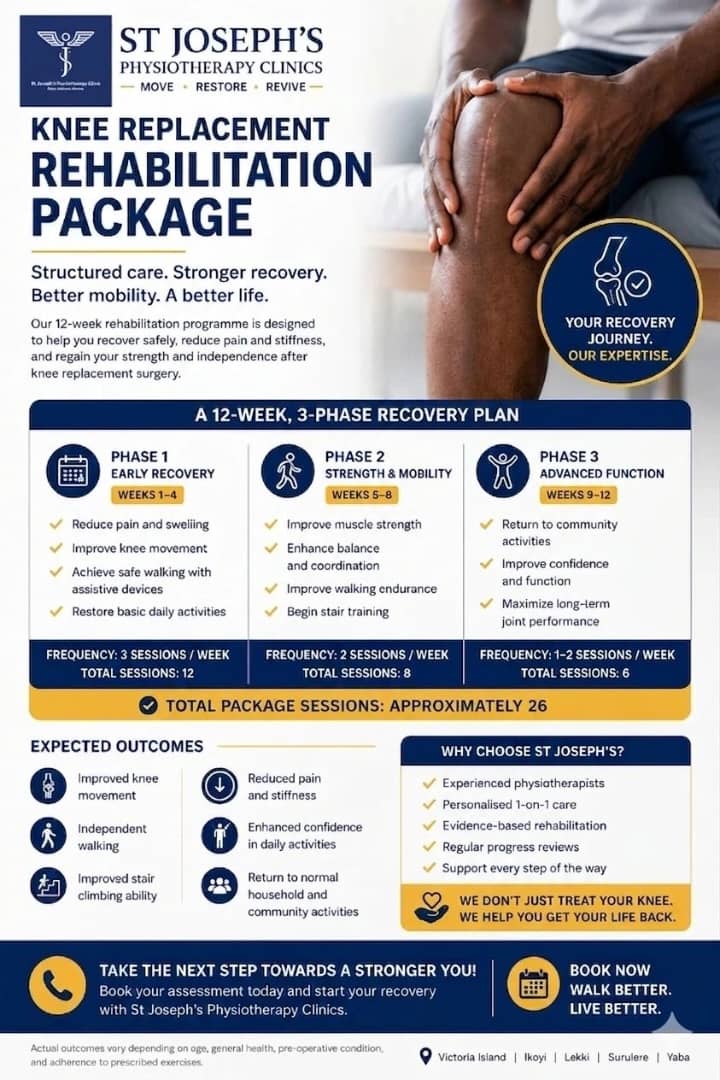
Complete Knee Replacement Rehabilitation Package in Lagos
Knee replacement surgery is a major step toward pain relief and improved mo…

NAMDA threatens strike over unpaid medical lecturers’ allowances
The Nigerian Association of Medical and Dental Academics (NAMDA) has warned…

Resident Doctors Signal End to Strike Threat After High-Level Talks with Gbajabiamila
The threat of a nationwide indefinite strike by the Nigerian Association of…
