Suicide may be defined as an act of deliberate self harm with a fatal outcome. It is an intentional self-inflicted death. Etymologically, it derives from the Latin root “suicidium” which means “killing oneself”. This disturbing phenomenon is an intercontinental affliction with higher rates reported in industrialized countries of the world but by no means their exclusive preserve.
About 1 million people commit suicide all over the world annually with about 3000 such acts occurring daily. Suicide is a leading cause of death for people under 25. For every completed suicide, it is estimated that there are about 20 attempts. The World Health Organisation (2004) reported that in the year 2002 alone, about 6000 deaths in Nigeria were due to “self-inflicted injuries” (suicide).
Historically, suicide is observed to be a familiar theme in Greek mythology and it was not uncommon in other civilizations. The Japanese tradition of Hara-kiri (suicide committed for the sake of personal honour or in order to avoid the disrepute of capture by enemy combatants) is a case in point and suicide-bomb attacks by Kamikaze pilots during WW 2 reflected a similar ideology. Shakespearean depictions of tragedy were not uncommonly woven around the perpetration of suicide as the final way out of great misery (Romeo and Juliet, Lady Macbeth, etc.) and African playwrights have also made allusions to same.
To underscore the magnitude of suicide to the human race, the 10th day of September every year is the constant reminder to the globe of the need to dedicate our resources to suicide prevention all over the world and it draws attention to the imperative of reflecting deeply on this societal ill as well as the grave implication that it portends. The day is celebrated every year to promote worldwide commitment and action to prevent suicides. Such an initiative clearly provides an opportunity to remind the peoples of the world that suicide is influenced by cultural, religious, legal, historical, philosophical and traditional factors.
Indeed, suicide is the “end-point of a complex series of psychological, sociological and situational/personal factors” with a well-studied pattern. In terms of social variables, it is observed to occur more commonly among males (four males to one female), older age groups, people who are single, separated or divorced, the unemployed and those within the lower class of society. Consequently, social ills such as social marginalization, isolation and poverty have been associated with suicide. With regard to adverse life events, studies have shown potential triggers of suicide to include: interpersonal loss (bereavement), financial difficulties and the effects of physical illness e.g. chronic diseases.
In terms of psychological factors, research spanning over the five decades indicates that more than 90% of people who commit suicide are suffering from a recognizable form of mental abnormality. Among the young, minor depression in reaction to life’s frustrations e.g. academic setback and adolescent crises are particularly common. In older individuals, severe depressive reactions, personality problems, alcohol and drug abuse, and major psychoses may be possible causes. As a group, those who commit suicide reflect self-directed hostility, and remarkable impulsivity.
Certain explanations may be attempted in elucidating upon suicide. First, for some, it may provide an immediate relief from a stressful situation, an “interruption” in an unendurable, apparently interminable state of psychological tension. Secondly, others may reveal overtly or covertly, that it was intended to be a “cry for help”, that they were trying to gain the attention of one or more key others in their immediate environment, often after more conventional means of communication had failed. This situation is commonly found in female patients with marital difficulties. Thirdly, it may represent an immature means of making others feel anxious or guilty especially those against whom they harbour a great deal of hostility which cannot be comfortably expressed directly and as such, the hostility is turned inward with the intention of hurting those others in a lasting way.
.jpg)
Despite all the uncertainties, confusion and controversy surrounding suicidal behaviour, the prevention of suicide has occupied mental health agenda for several years in many countries of the world. Though the main challenge in suicide prevention is the unpredictability of the act and the sinusoidal disposition of suicidal intent, measures that could form part of a comprehensive suicide prevention strategy include:
Population-based measures – method-targeted, group-targeted and general
High-risk individual-based measures
Population-based measures focus on reducing the availability of lethal methods e.g. curbing the prescribing of lethal drugs and access to dangerous chemicals, health education on safe medication handling, tighter gun control laws, and review of laws in relation to attempted suicide. In relation to design of underground trains and railroads, restriction and monitoring of access to such facilities must be carefully undertaken. General population-based methods involve developing and implementing policies to tackle homelessness, unemployment and social marginalization. It is also important to responsibly regulate media reporting and portrayal of suicide. High risk individuals are particularly those who suffer from diagnosable mental disorders and the effective preventive strategy among them is to scale up mental health service provision and monitoring.
At this juncture, the review of Nigerian laws relating to attempted suicide deserves a more critical dissection as a necessary strategy in suicide prevention. While in the industrialized economies from which we inherited the bulk of our laws, attempted suicide has been de-criminalized, it retains its place as an offence against the person in section 327 of the Criminal Code which states that “Any person who attempts to kill himself is guilty of a misdeamenour and liable to imprisonment for 1 year”. Thus, the suicide attempter in Nigeria is viewed as a “criminal” rather than an “ill person”. In spite of the avanlanche of evidence in psychiatric literature pointing to the latter rather than the former, it is disquieting that Nigeria has chosen to remain one of the few countries where suicide attempt is still considered a crime. With the current logic of law, it would seem that the punishment is basically aimed at the “failure” in the act because “success” i.e. death, apparently exonerates the victim from the wrath of the law. Thus, as long as attempted suicide remains punishable, it is likely that those who invoke this absurd mode of dealing with psychological discomfort will be more desperate and diligent in ensuring that they succeed in their attempt at self-mortification knowing that failure may result in the possibility of recrimination and being incarcerated for one year. Therefore, it is our opinion that the current law has it relates to attempted suicide is anachronistic and urgently requires remodeling to conform to modern realities on the subject. It is also suggested that those who attempt suicide unsuccessfully and are brought to the attention of the law, should have adequate psychological screening with a view to helping them to resolve their internal discomfort rather than dealing with them via the penal route.
In conclusion, suicide remains a catastrophe whenever it occurs with untold hardship and stigma on the direct associates of the unfortunate victim. However, a multifaceted approach involving government, law enforcement agents, health care providers and importantly, close relations of potential suicides will effectively combat the complex matrix of factors that fuel suicidal conduct.
DR. ADEGBOYEGA OGUNLESI
DR. TIMOTHY O. ADEBOWALE
DR. ADEGBOYEGA OGUNWALE
By Neuropsychiatric Hospial Aro Abeokuta
ABUJA: Training Schedule for Basic Life Support BLS, Pediatric Advanced Life Support (PALS), Advanced Cardiovascular Life Support ACLS, First Aid, CPR, AED
PORTHARCOURT: Training Schedule for Basic Life Support BLS, Pediatric Advanced Life Support (PALS), Advanced Cardiovascular Life Support ACLS, First Aid, CPR, AED
LAGOS: Training Schedule for Basic Life Support BLS, Pediatric Advanced Life Support (PALS), Advanced Cardiovascular Life Support ACLS, First Aid, CPR, AED
STOP paying for airtime and electricity, Let your phone pay its bills with ScreenT
You may also like

Comrade Lemii Christian Emerges Chairman of NANNM Rivers State Branch in Historic Victory
PORT HARCOURT, NIGERIA Following the long awaited National Association of N…

FG Supports Robotic Surgery Expansion to Reduce Medical Tourism
Nigeria is taking another step toward strengthening specialised healthcare …
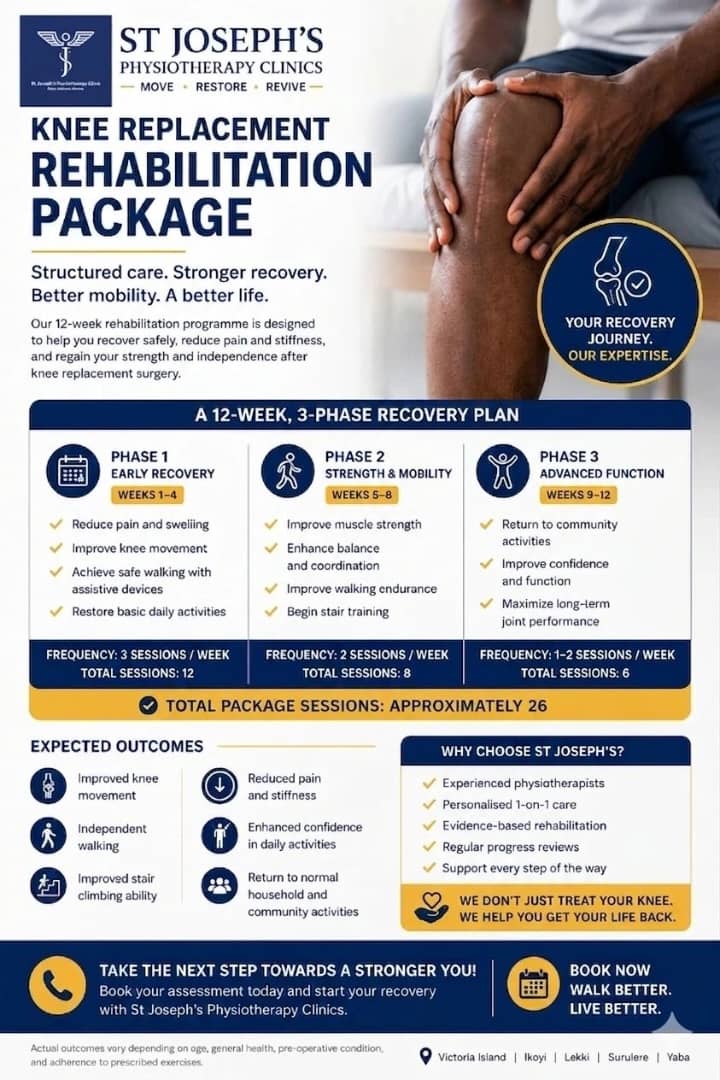
Complete Knee Replacement Rehabilitation Package in Lagos
Knee replacement surgery is a major step toward pain relief and improved mo…

NAMDA threatens strike over unpaid medical lecturers’ allowances
The Nigerian Association of Medical and Dental Academics (NAMDA) has warned…

Resident Doctors Signal End to Strike Threat After High-Level Talks with Gbajabiamila
The threat of a nationwide indefinite strike by the Nigerian Association of…
