Surgical sperm aspiration is a treatment procedure recommended for men with azoospermia [absence of sperm ] condition wherein there is blockage of the sperm duct or no sperms at all in the ejaculate. It involves the manual removal of sperms, rather than from semen through ejaculation, using fine instruments to remove or aspirate a section of the testes, with the aim of extracting sperms cells from the tissue obtained, by teasing.
Testicular failure affects 15% of all men and 10% of men seeking fertility treatment. This is basically the inability of the sperm producing cell to produce sperms in seminal fluid as it constitutes the semen.
There are two methods; the PESA and the TESA. The PESA [pericutaneous epidydimal sperm aspiration ] is a method where sperm is collected from the epididymis inside the scrotum using a syringe and fine needle. TESA [testicular sperm aspiration], is a method where sperm is retrieved directly from the testicles.
Surgical sperm retrieval procedure can be done under brief sedation or local anesthesia. The fine needles used for the aspiration of the sperm make the procedure relatively straightforward. It is known that very few sperms are usually retrieved and can be used for fertility treatment through ICSI to obtain fertilisation.
• The PESA method is often used for men with nonexistence of sperm in their ejaculation due to hindrance in the passages. Possible reasons for the passage obstruction are vasectomy reversal, damage to the vas deferens from infection, or bilateral congenital absence of vas deferens.

The TESA method is commonly used for men with non-disruptive azoospermia condition. In this condition, no sperm can be retrieved from the epididymis. From the extracted sperm during the method, a fine needle is used to aspirate multiple testicular tissue biopsies
Of the two methods, PESA is generally preferred by most patients. This is because once the procedure has been performed; they are usually allowed home within hours and can be back at work the following day. With the TESA method, patients often have pain and some swelling after the procedure although the same kind of needle is inserted into the testis.
PESA and TESA methods have been a treatment option for many men who are experiencing non-obstructive and obstructive oligozoospermia. In both cases there is a success rate of around 25% for every treatment cycle.
These procedures are treatable with ICSI, and this has been most effective in utilising the lone or few sperms retrieved. . ICSI is highly efficient at producing fertilisation as long as the spermatozoa are conceivable and can be retrieved from male reproductive tract.
Non-obstructive azoospermia - is a condition in which no sperm is present in the ejaculate because of severely abnormal sperm production.
Sperm production problems can result from hormonal problems, testicular failure, or varicocele, varicose veins in the testicles, genetic.
Most of these men
• have small-volume testes,
• elevated FSH,
• and empty epididymis.
In this condition, a diagnostic therapeutic testis biopsy will reveal abnormal sperm production. This condition is easily treated using tesa.
OBSTRUCTIVE AZOOSPERMIA – refers to no sperm in a man’s semen, as a result of problems with sperm delivery. Obstructive azoospermia accounts for around 40 percent of azoospermia cases. Most commonly, obstructive azoospermia results from previous vasectomy amongst other causes.
Problems with the ductal system or issues with ejaculation can cause obstructive azoospermia.
• The ducts can be missing, or blocked,
• Or the man could have an absence of the vas deferens, the tube that transports sperm for ejaculation.
Azoospermia in a patient with
• normal size testes (20-25 cc volume)
• and normal FSH suggest an obstructive form.
Therefore , surgical sperm aspiration for the treatment of testicular failure , either by obstructive or non obstructive azoospermia is an effective and reliable method to treat male fertility challenges .
It is important to know that, with technological advancement, as long as a live single sperm can be extracted from the structures, it is quite possible for you to reproduce.
By: This Day News
You may also like
Comrade Lemii Christian Emerges Chairman of NANNM Rivers State Branch in Historic Victory
PORT HARCOURT, NIGERIA Following the long awaited National Association of N…

FG Supports Robotic Surgery Expansion to Reduce Medical Tourism
Nigeria is taking another step toward strengthening specialised healthcare …
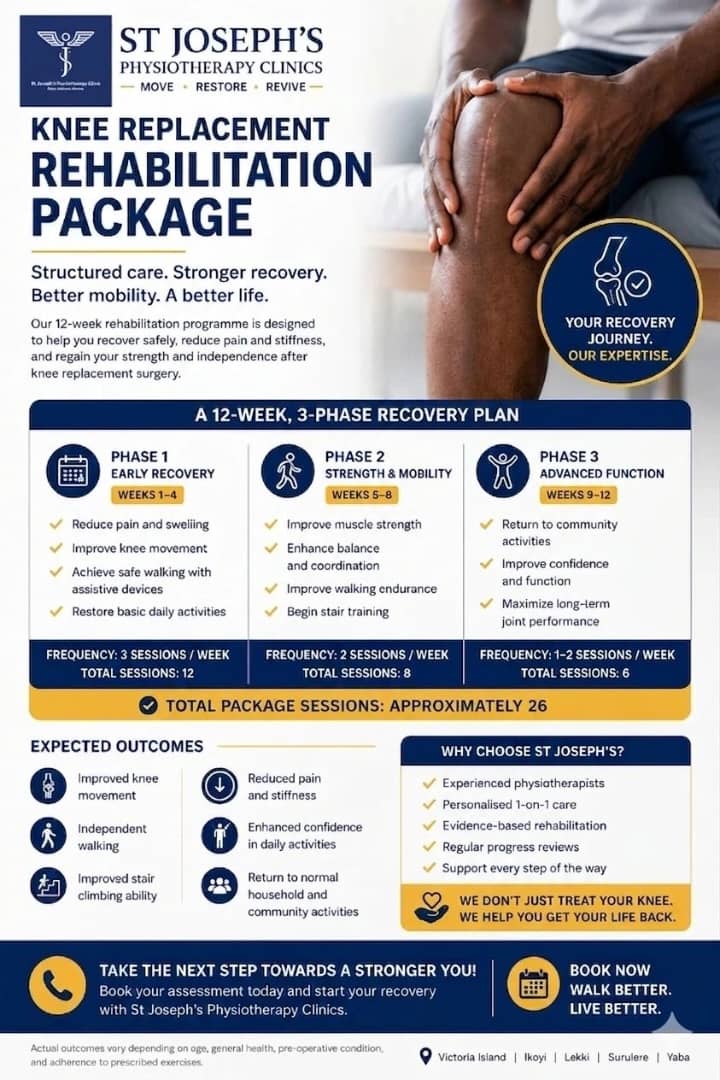
Complete Knee Replacement Rehabilitation Package in Lagos
Knee replacement surgery is a major step toward pain relief and improved mo…

NAMDA threatens strike over unpaid medical lecturers’ allowances
The Nigerian Association of Medical and Dental Academics (NAMDA) has warned…

Resident Doctors Signal End to Strike Threat After High-Level Talks with Gbajabiamila
The threat of a nationwide indefinite strike by the Nigerian Association of…