From Smallpox to Measles to Polio and other health threats, vaccines have proven to stand out as the most reliable solutions to deadly diseases. Since the 1796 breakthrough for Smallpox, courtesy of Edward jenner, the world has always sought the development of vaccines as the 'saviour' of human kind against stubborn public health threats.
Despite the fact that vaccines have helped to. prevent the outburst of once dreaded diseases, the long search for suitable vaccines to immune against some staunch diseases, especially the Human Immune Deficiency Virus (HIV) reveals that huge difficulties abound in developing effective vaccines. Between 2014 and 2016, the outbreaks of Ebola Virus Disease, Lassa Virus disease, and the recent Zika Virus Disease have drastically increased the need for effective vaccines to prevent lingering public diseases. This has in turn driven several researchers to a tireless search for potent vaccines.
Until January 2016 when Liberia was declared Ebola free and all chains of transmission were confirmed ended in Africa, no official vaccine had been presented. Likewise, the search for effective vaccines to Lassa lingers in the world of public health especially in Nigeria, where it recently broke out The same goes for Zika, with all the efforts experienced researchers are channeling into getting a potent vaccine, no breakthrough has been made yet. The disturbing yet obvious fact is that, it could take years before effective vaccines will be available for these diseases. The danger these delays pose is the potential for it to become increasingly difficult to discover vaccines for diseases such as Ebola and Lassa as they become less ravaging.
Presently, there are less discussions unlike in the past; getting victims and survivors to conduct trials for potential vaccine will likely become difficult as vaccine discovery becomes prolonged just as sustaining health care especially in a vulnerable continent such as Africa will remain threatened if something is - not done urgendy to avoid a reoccurrence of these outbreaks or an outburst of new diseases. Vaccines strengthen the immune system against potential viruses in vulnerable environments; they are the most effective weapons against public health threats. Immunizing dwellers of a susceptible community prevents an outbursteven when such diseases surface however, the presentworry is, why has it been difficult to sustain vaccine - development, especially inAfrica?
Several factors affect the development and presentation of potent vaccines yet, for a vaccine to be acceptable, certain criteria have to be fulfilled including;
• Overtime effectIvenessteven after the disease has become rare;
• Sustained availability;
• Achievernent of widespread use.
Apart from scientific reasons such as variability, lack of ideal animal model, retrovirus nature of virus, as in the case of HW (status otHIVVaccine Research and Development, Koff W.2m4),' several non-scientific but avoidable challenges are associated with developing timely and acceptable vaccines, which if tackled,vaccine innovation and production can be fast-tracked:
• Funding: Although vaccines are highly cost effective, the processes involved in vaccine production require huge investments: from the research stages to aa ministering stages yet, it offers low return on investment. To develop a single vaccine could require up to one billion dollars and because of this, only few affluent companies possess what it takes to invest in vaccine production although there are several independent start-up companies and individuals who may have good ideas. Currently, only four (4) pharmaceutical companies (GlaxoSmithKline (GSK), Merck,-Pfizer, and Sanofi Paseur) officially concentrate on vaccine development, Despite the vulnerability of Africa to diseases and the recent public health outbreaks, no African company can boast of
solely prod ucingan internationallyacceptable vaccine.
African countries rarely invest hugely in health, making health projects highly underfunded in comparison to developed regions of the world. World Health Organization (WHO) reports that as at 2010, the average total health expenditure in African countries stood at $135 per capita which is only a small fraction of the 3,15o spent on health in an average high income countty (The Africa Health Monitor, 2013), the situation has not considerably improved till now. Although African countries mostly rely on private donors, yet these donations are not consistentand cannot be sufficient in making up for the needed funding forvaccine productions.
 • Weak preparation and response to current and emerging diseases: Over the years, Africans have proven to be naturally unprepared for eventualities although vulnerable to several. just as countries on the continent are somewhat lackadaisical about a lot of sectors; education, natural disasters, theyalso lag behind in responding to health challenges. One of the reasons for the wild spread of the Ebola virus was the lack of quick response; for instance, it was over 3months before the cause was identified in Guinea. Furthermore, there are no well-managed centres for managing special diseases in many countries in Africa, which brings to the fore the dearth of response resources in the region. Whereas developed countries tend to prepare for unforeseen diseases through research, infrastructural placements, and funding, African nations usuallywait till they are hit before they act.
 • Lack of research infrastructure, required skills and new technology: One of the mafor challenges to development in most African countries is the lack of adequate infrastructure. Health facilities are insufficient in most cases while scientific research facilities are also a challenge to developing vaccines. WHO confirms that the greatest obstacles to vaccine productions in less developed nations are the lack of sufficient finance, poor infrastructure and insufficient technical expettise. State of the art facilities have no doubt been instrumental to the discoveries of a few scientific discoveries including existing vaccines. Lots of the time, specifically built facilities are required for the production of vaccines before such vaccines can be licensed.
It is also important to note that developing vaccines can he complex and does not come easy; getting breakthroughs in any discovety can only be achieved through advanced technology. As diseases emerge, new technologies are also required to attend to these diseases. Therefore, a continent as Africa with less sophisticated technological advancement, especially new technologies, is at a disadvantage in developing viable vaccines, moreover, delicate research such as vaccine production often require special skills, expertise and the combination of multi-disciplinaty teams, which are lacking in the African region. Africa faces shortage of trained health personnel; the sarne is the case for medical researchers.
• Intellectual Property Protection/Litigation Issues: One of the reasons there are few actors in the vaccine manufacturing industry is that the industry is highly regulated because contents of vaccines are usually protected by different intellectual property rights, Moreover, Patent filing is usually daunting, even in developed nations and awareness/information on patentingand licensing are usually few or unavailable in developing countries. These processes can be discouraging for budding manufacturers; a challenge of intellectual property is what prospective manufacturers, especiallyAfricans will not likely waritto engage in.
RECOMMENDATIONS
Public Private Partnerships: As the financial responsibilities needed in vaccine production are daunting there is a need for joint efforts of the private sector and the public -sector in, funding the sector. Governments need to see health issues as important and make huge investments in health research and specifically vaccine research for emerging health threats; this should be a priority for governments of all African countries.The public sector should also give financial support to bath private companies already in the process of providing vaccines and potential ones, in order to translate their research efforts into tangible productions, Governments should also establish more schools, research centres and courses in virology just as NG0s, public, and private donors continue to fund more vaccine development protects for impactful contributions to sustainable health. GSK, one of the famous producers of vaccines stresses the need for partnership to attain sustainable vaccine production. Government should therefore partner the private and manufacturing companies in investing in vaccine production and not leave it solely to the affluent companies.
Incentives: A way African governments can stimulate vaccine productions is by providing incentives to willing and capable individuals, youths, and industries, Incentives such as reduced/tax credits, grants and sponsorships for promising youths, including awards and rewards, can be introduced to prompt interests and encourage independent researchers. Some African universities, notably the Redeemers University in Nigeria, has expressed interest and begun the development of a possible vaccine for the Lassa Virus. The government, private, and international actors should support such steps as well as encourage of ot her poten tial discoveries.
Improving capacity in research institutes: By providing the necessary infrastructure, training and skills, more capable researchers can be budded while more players can gain access into the drug manufacturing industry.
Patenting: Patenting procedures should be simplified to accommodate new developers, Promotion: African nations should promote the need and urgency for vaccine manufacturing, especially for the plaguing African diseases; Ebola and Lassa, usingall means, especially the media and othermeans to create awareness.
Collaboration with other developing/developed nations:. America and Europe are world leaders in the production of vaccinations; African nations need to partner with them to get lasting solutions to vaccination production and administration, Purthermcire;. African nations should collaborate with other developing nations already making efforts at entering the global vaccine market, like China, in order to achieve the general aim of innovating potent vaccines that would bring sustainable vaccine production.
Although Africa has been declared Ebola free, cases of Lassa have reduced, and no new public threat has been discovered on the continent recently, vulnerable regions and parts of Africa must be defensive against these diseases in case they spring up again since they have always existed before the latest recurrence. The time has come for WHO and researchers not to relapse or give in to the researches lust because outbreaks have reduced. In addition, this is the time for all Africans, especially drastically affected regions to work at finding lasting vaccines to these health threats, furthermore, proactive is inevitable before the continent is plunged into another round of infectious disease outbreaks. Innovating and providing vaccines are important parts of sustainable health that must be given more attention, especially in a susceptible continent.
Source: The Guardian News
ABUJA: Training Schedule for Basic Life Support BLS, Pediatric Advanced Life Support (PALS), Advanced Cardiovascular Life Support ACLS, First Aid, CPR, AED
PORTHARCOURT: Training Schedule for Basic Life Support BLS, Pediatric Advanced Life Support (PALS), Advanced Cardiovascular Life Support ACLS, First Aid, CPR, AED
LAGOS: Training Schedule for Basic Life Support BLS, Pediatric Advanced Life Support (PALS), Advanced Cardiovascular Life Support ACLS, First Aid, CPR, AED
STOP paying for airtime and electricity, Let your phone pay its bills with ScreenT
You may also like

Comrade Lemii Christian Emerges Chairman of NANNM Rivers State Branch in Historic Victory
PORT HARCOURT, NIGERIA Following the long awaited National Association of N…

FG Supports Robotic Surgery Expansion to Reduce Medical Tourism
Nigeria is taking another step toward strengthening specialised healthcare …
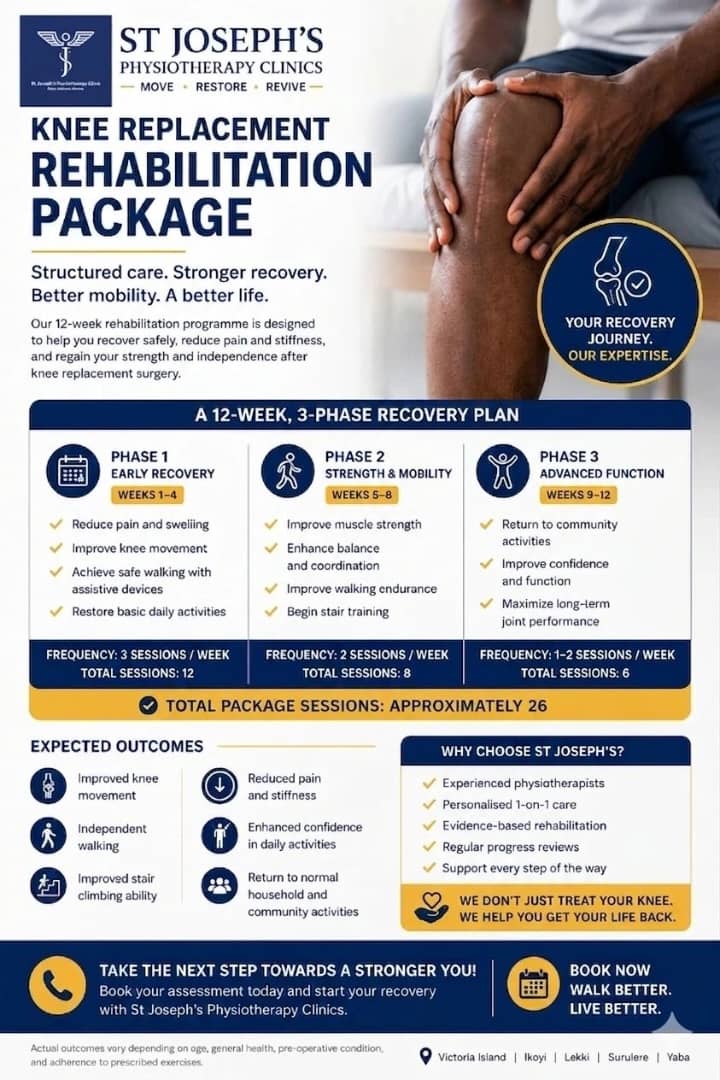
Complete Knee Replacement Rehabilitation Package in Lagos
Knee replacement surgery is a major step toward pain relief and improved mo…

NAMDA threatens strike over unpaid medical lecturers’ allowances
The Nigerian Association of Medical and Dental Academics (NAMDA) has warned…

Resident Doctors Signal End to Strike Threat After High-Level Talks with Gbajabiamila
The threat of a nationwide indefinite strike by the Nigerian Association of…