Guidance on Personal Protective Equipment To Be Used by Healthcare Workers During Management of Patients with Ebola Virus Disease in U.S. Hospitals, Including Procedures for Putting On (Donning) and Removing (Doffing)
This guidance is current as of October 20, 2014
The following procedures provide detailed guidance on the types of personal protective equipment (PPE) to be used and on the processes for donning and doffing (i.e., putting on and removing) PPE for all healthcare workers entering the room of a patient hospitalized with Ebola virus disease (Ebola). The guidance in this document reflects lessons learned from the recent experiences of U.S. hospitals caring for Ebola patients and emphasizes the importance of training, practice, competence, and observation of healthcare workers in correct donning and doffing of PPE selected by the facility.
This guidance contains the following key principles:
. Prior to working with Ebola patients, all healthcare workers involved in the care of Ebola patients must have received repeated training and have demonstrated competency in performing all Ebola-related infection control practices and procedures, and specifically in donning/doffing proper PPE.
. While working in PPE, healthcare workers caring for Ebola patients should have no skin exposed.
. The overall safe care of Ebola patients in a facility must be overseen by an onsite manager at all times, and each step of every PPE donning/doffing procedure must be supervised by a trained observer to ensure proper completion of established PPE protocols.
In healthcare settings, Ebola is spread through direct contact (e.g., through broken skin or through mucous membranes of the eyes, nose, or mouth) with blood or body fluids of a person who is sick with Ebola or with objects (e.g., needles, syringes) that have been contaminated with the virus. For all healthcare workers caring for Ebola patients, PPE with full body coverage is recommended to further reduce the risk of self-contamination.
To protect healthcare workers during care of an Ebola patient, healthcare facilities must provide onsite management and oversight on the safe use of PPE and implement administrative and environmental controls with continuous safety checks through direct observation of healthcare workers during the PPE donning and doffing processes.
Recommended Administrative and Environmental Controls for Healthcare Facilities
Protecting healthcare workers and preventing spread of Ebola requires that proper administrative procedures and safe work practices be carried out in appropriate physical settings. These controls include the following:
At an administrative level, the facility’s infection prevention management system, in collaboration with the facility’s occupational health department, should
. Establish and implement triage protocols to effectively identify patients who may have Ebola and institute the precautions detailed in this document.
. Designate individuals as site managers responsible for overseeing the implementation of precautions for healthcare workers and patient safety. A site manager’s sole responsibility is to ensure the safe and effective delivery of Ebola treatment. These individuals are responsible for all aspects of Ebola infection control including supply monitoring and evaluation with direct observation of care before, during, and after staff enter an isolation and treatment area.
. At least one site manager should be on-site at all times in the location where the Ebola patient is being cared for.
. Identify critical patient care functions and essential healthcare workers for care of Ebola patients, for collection of laboratory specimens, and for management of the environment and waste ahead of time.
. Ensure healthcare workers have been trained in all recommended protocols for safe care of Ebola patients before they enter the patient care area.
. Train healthcare workers on all PPE recommended in the facility’s protocols. Healthcare workers should practice donning and doffing procedures and must demonstrate during the training process competency through testing and assessment before caring for Ebola patients.
. Use trained observers to monitor for correct PPE use and adherence to protocols for donning and doffing PPE, and guide healthcare workers at each point of use using a checklist for every donning and doffing procedure.
. Document training of observers and healthcare workers for proficiency and competency in donning and doffing PPE, and in performing all necessary care-related duties while wearing PPE.
. Designate spaces so that PPE can be donned and doffed in separate areas.
Key safe work practices include the following:
. Identify and isolate the Ebola patient in a single patient room with a closed door and a private bathroom as soon as possible.
. Limit the number of healthcare workers who come into contact with the Ebola patient (e.g., avoid short shifts), and restrict non-essential personnel and visitors from the patient care area.
. Monitor the patient care area at all times, and log at a minimum entry and exit of all healthcare workers who enter the room of an Ebola patient.
. Ensure that a trained observer watches closely each donning and each doffing procedure, and provides supervisory assurance that donning and doffing protocols are followed.
. Ensure that healthcare workers have sufficient time to don and doff PPE correctly without disturbances.
. Ensure that practical precautions are taken during patient care, such as keeping hands away from the face, limiting touch of surfaces and body fluids, preventing needlestick and sharps injuries, and performing frequent disinfection of gloved hands using an alcohol-based hand rub (ABHR), particularly after handling body fluids.
. Disinfect immediately any visibly contaminated PPE surfaces, equipment, or patient care area surfaces using an *EPA-registered disinfectant wipe.
. Perform regular cleaning and disinfection of patient care area surfaces, even absent visible contamination.
. This should be performed only by nurses or physicians as part of patient care activities in order to limit the number of additional healthcare workers who enter the room.
. Implement observation of healthcare workers in the patient room, if possible (e.g., glass-walled intensive care unit [ICU] room, video link).
. Establish a facility exposure management plan that addresses decontamination and follow-up of an affected healthcare worker in case of any unprotected exposure. Training on this plan and follow-up should be part of the healthcare worker training.
Source: CDC
ABUJA: Training Schedule for Basic Life Support BLS, Pediatric Advanced Life Support (PALS), Advanced Cardiovascular Life Support ACLS, First Aid, CPR, AED
PORTHARCOURT: Training Schedule for Basic Life Support BLS, Pediatric Advanced Life Support (PALS), Advanced Cardiovascular Life Support ACLS, First Aid, CPR, AED
LAGOS: Training Schedule for Basic Life Support BLS, Pediatric Advanced Life Support (PALS), Advanced Cardiovascular Life Support ACLS, First Aid, CPR, AED
STOP paying for airtime and electricity, Let your phone pay its bills with ScreenT
You may also like

Comrade Lemii Christian Emerges Chairman of NANNM Rivers State Branch in Historic Victory
PORT HARCOURT, NIGERIA Following the long awaited National Association of N…

FG Supports Robotic Surgery Expansion to Reduce Medical Tourism
Nigeria is taking another step toward strengthening specialised healthcare …
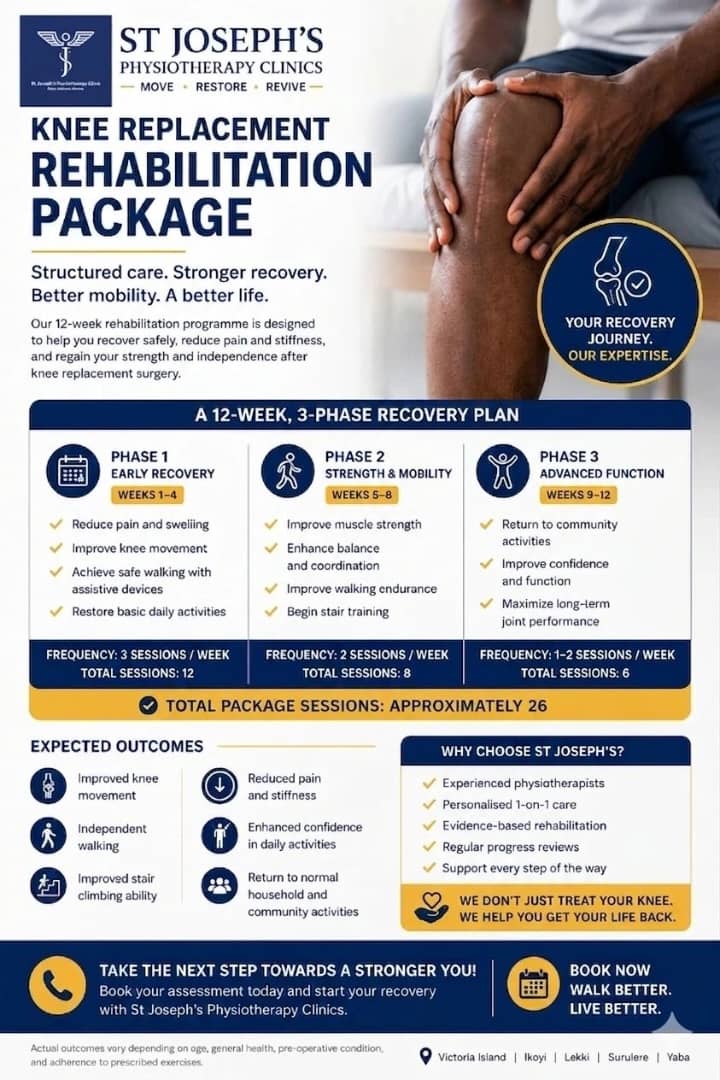
Complete Knee Replacement Rehabilitation Package in Lagos
Knee replacement surgery is a major step toward pain relief and improved mo…

NAMDA threatens strike over unpaid medical lecturers’ allowances
The Nigerian Association of Medical and Dental Academics (NAMDA) has warned…

Resident Doctors Signal End to Strike Threat After High-Level Talks with Gbajabiamila
The threat of a nationwide indefinite strike by the Nigerian Association of…