. Most couples fail to have a child with their first IVF cycle, statistics show
. But the chance of having a baby increases the more times they try
. Despite this, 43% of couples who fail on the first go never try a second time
. Study: Cumulative chance of a live birth is 30% for the first cycle, increasing to 45% after two cycles and 54% after three
Couples should persist with IVF beyond their first few failed cycles, experts insist, after a major study found that women have a 65 per cent chance of conceiving by their sixth attempt. Most couples fail to have a child with their first IVF cycle - but the chance of having a baby increases the more times they try. Despite this, 43 per cent of couples who fail on the first go never even try a second time, according to analysis of eight years of British records. This may be because they give up, because the NHS will not fund a second go, or because they cannot afford to go private.
 NHS watchdog NICE advises that women under the age of 40 should be offered three IVF cycles, if they have failed to conceive naturally for two years. But because the guidance is not mandatory, standards differ wildly across the country - and fewer than one in five health boards actually offering couples in their area the three full cycles. Some clinical commissioning groups are now offering just one round of IVF on the NHS, to the fury of fertility experts.
 With IVF costing an average of £5,000 per cycle in private clinics, the costs can rapidly mount with repeated cycles. Experts at Glasgow and Bristol universities last night called for NHS standards to be enforced to end the ‘postcode lottery’ of fertility care.
And they also suggested that the number of IVF cycles per patient should be extended beyond the recommended three. But their data suggests that few couples even get that far, with just 15 per cent of couples who started IVF reaching the three full cycles.
The team, whose work is published in the JAMA medical journal, analysed the records of every single woman to have undergone fertility treatments in Britain between January 2003 and December 2010. They found that the cumulative chance of a live birth was 30 per cent for the first cycle, increasing to 45 per cent after two cycles and 54 per cent after three. Couples had a 65 per cent success rate after six attempts, after which the chance of a baby plateaued with subsequent cycles. Some couples in the study tried nine times, by which time the success rate had risen to 69 per cent.
Study author Professor Scott Nelson, a fertility expert at Glasgow Royal Infirmary, said: ‘Fertility treatments are being stopped prematurely. They should keep going - they can increase the chance of having a family just by persevering. We need to stop thinking of IVF as a single shot at having a family and think of several cycles as the standard. For most couples - and certainly those where the woman is younger than 40 and those of any age using donor eggs - two-thirds will achieve a live birth after five or six treatment cycles. This will take, on average, two years and is similar to rates that couples conceiving naturally take in one year.’
Professor Nelson added: ‘Clinical commissioning groups should be funding at least three cycles across the board - just look at the impact they can have for families.’ The study included 156,947 women in the UK who received 257,398 IVF ovarian stimulation cycles. The chance of success differed markedly with age, with women under 40 having a 68 per cent chance of a baby within six cycles, compared to just 32 per cent for women aged 40-42, and 11 per cent for those over 42.
Co-author Professor Debbie Lawlor, of University of Bristol, said: ‘As the number of treatment cycles increased, the cumulative rate across cycles increased up to the ninth. ’Clinicians often dissuade couples from further treatment cycles when they have had one with no eggs retrieved, or imply that results from one such cycle indicate very low chance of future success. Our results suggest that is not the case.’
By Ben Spencer
Source: Dailymail
ABUJA: Training Schedule for Basic Life Support BLS, Pediatric Advanced Life Support (PALS), Advanced Cardiovascular Life Support ACLS, First Aid, CPR, AED
PORTHARCOURT: Training Schedule for Basic Life Support BLS, Pediatric Advanced Life Support (PALS), Advanced Cardiovascular Life Support ACLS, First Aid, CPR, AED
LAGOS: Training Schedule for Basic Life Support BLS, Pediatric Advanced Life Support (PALS), Advanced Cardiovascular Life Support ACLS, First Aid, CPR, AED
STOP paying for airtime and electricity, Let your phone pay its bills with ScreenT
You may also like
Comrade Lemii Christian Emerges Chairman of NANNM Rivers State Branch in Historic Victory
PORT HARCOURT, NIGERIA Following the long awaited National Association of N…

FG Supports Robotic Surgery Expansion to Reduce Medical Tourism
Nigeria is taking another step toward strengthening specialised healthcare …
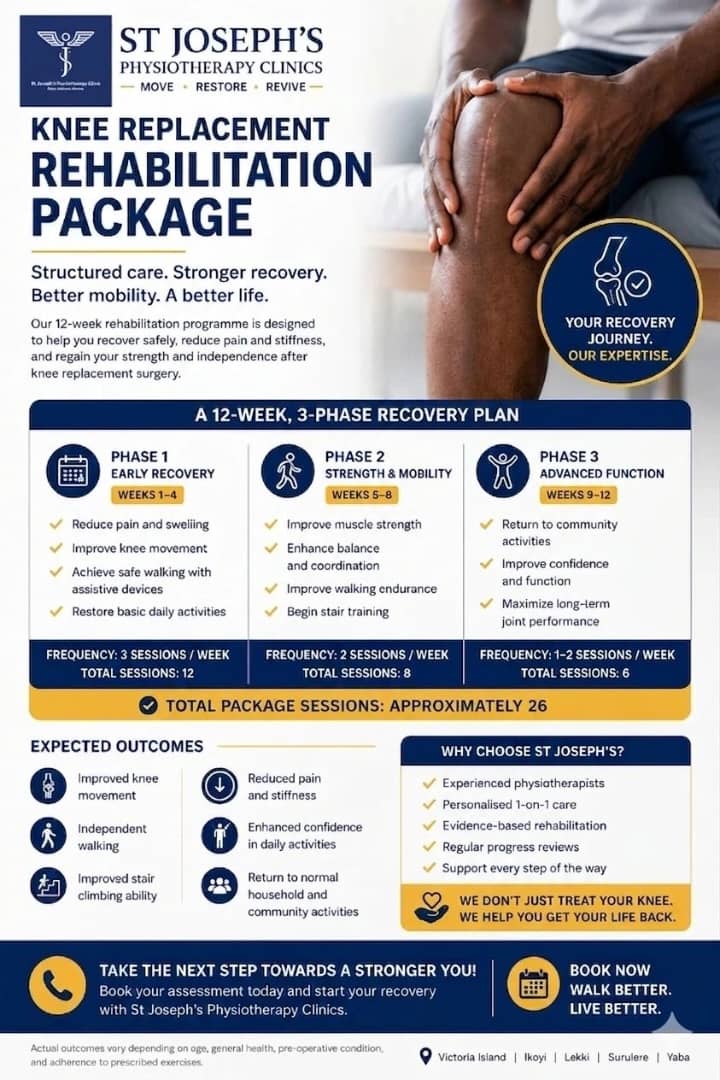
Complete Knee Replacement Rehabilitation Package in Lagos
Knee replacement surgery is a major step toward pain relief and improved mo…

NAMDA threatens strike over unpaid medical lecturers’ allowances
The Nigerian Association of Medical and Dental Academics (NAMDA) has warned…

Resident Doctors Signal End to Strike Threat After High-Level Talks with Gbajabiamila
The threat of a nationwide indefinite strike by the Nigerian Association of…